
The Clock at New Chandigarh: Why Both India and West Indies Were Entered in the Over-Rate Ledger
**Core answer** আইসিসি তৃতীয় ও শেষ ওয়ানডেতে স্লো ওভার রেটের জন্য ভারত ও ওয়েস্ট ইন্ডিজ—দুই দলকেই শাস্তি দিয়েছে। ভারত চার ওভার পিছিয়ে ছিল, খেলোয়াড়দের ম্যাচ ফির ২০ শতাংশ জরিমানা; ওয়েস্ট ইন্ডিজ দুই ওভার পিছিয়ে, ১০ শতাংশ। সময় বাড়তি সুবিধা (টাইম অ্যালাউয়েন্স) হিসাবে ধরা হয়েছিল। **Key facts** - ম্যাচ: ভারত বনাম ওয়েস্ট ইন্ডিজ, তৃতীয় ও শেষ ওয়ানডে, নিউ চণ্ডীAverage, পাঞ্জাব। - ভারত চার ওভার কম বল করেছে; শাস্তি প্রত্যেক খেলোয়াড়ের ম্যাচ ফির ২০ শতাংশ। - ওয়েস্ট ইন্ডিজ দুই ওভার কম বল করেছে; শাস্তি প্রত্যেক খেলোয়াড়ের ম্যাচ ফির ১০ শতাংশ। - আইসিসি জানিয়েছে, সময় বাড়তি সুবিধা (টাইম অ্যালাউয়েন্স) হিসাবের মধ্যে নেওয়া হয়েছে। - ঘোষণায় কোনো খেলোয়াড়ের নাম, স্কোর বা ম্যাচের ফল উল্লেখ নেই। **Source attribution** সূত্র: আইসিসি-র সরকারি স্যানশন ঘোষণা (প্রকাশের তারিখ উৎসে উল্লেখ নেই)। **Related Q&A** Q: ওভার রেট কত হলে শাস্তি হয়? A: ওয়ানডেতে ন্যূনতম ওভার রেট ঘণ্টায় ১৪.২৮ ওভার; প্রতি ওভার পিছিয়ে পড়লে খেলোয়াড়দের ম্যাচ ফির ৫ শতাংশ জরিমানা বসে, তাই চার ওভারে ২০ শতাংশ। Q: একই ম্যাচে দুই দল কেন শাস্তি পেল? A: শাস্তির পরিমাণ ও দুই দলের একসাথে পিছিয়ে পড়া দেখায় সময়ক্ষেপণ ম্যাচের পরিবেশ থেকে এসেছে—ডিআরএস রিভিউ, ইনজুরি বিরতি বা ধীর পিচ—এক দলের ইচ্ছাকৃত দেরি নয়। Q: ক্যাপ্টেনের ঝুঁকি কতটা? A: ওভার রেট offences-এ জরিমানা দলগত হলেও দায়-কাঠামোর কেন্দ্রে থাকেন অধিনায়ক; বারো মাসে দ্বিতীয়বার একই অপরাধ প্রমাণিত হলে নিষেধাজ্ঞার ঝুঁকি তৈরি হয়।
The scorecard closes, the ledger opens. When the third and final ODI of the series ended at New Chandigarh, two numbers entered the ICC's file: India four overs short, West Indies two overs short. The sanctions: 20 per cent of match fee for India's players, 10 per cent for West Indies'. No scorecard will show those numbers. No record book will change its result. Yet they were the most documented, most unarguable facts of that match.
After the grand final, I stopped arguing and started documenting. The 2026 A-League Grand Final, the 94th-minute penalty appeal, the frame-by-frame breakdown at 0.25 speed — that week built a habit I have never dropped: paperwork before emotion. So this announcement is not a who-won story to me. It is a time-management audit, and both teams failed it. The strange part is that fans can debate bat, ball, runs and reviews for weeks, while the actual offence that drew the punishment leaves no mark on the result at all. A sanction like this does not measure cricketing skill. It measures cricketing time.
Start with the format, because the arithmetic only works one way. An ODI is 50 overs, which means at least three and a half hours of playing time before allowances. The ICC minimum over rate in ODIs is 14.28 overs per hour. Fall below that and each player loses 5 per cent of the match fee for every over the side fails to bowl. That is the key: four overs short gives 4 × 5 = 20 per cent; two overs short gives 2 × 5 = 10 per cent. The two figures in the announcement match that rule exactly, which tells us with confidence that this was a minimum-over-rate offence under the ICC Code of Conduct, not a personal misconduct charge.
The second line in the ICC statement matters more than it looks: time allowances were taken into consideration. That single clause changes the character of the case. DRS reviews, injury treatment, drinks breaks, umpire consultations, searching for a lost ball — all of these carry allotted time, and only the shortfall remaining after those credits counts. Which means the real delay was larger than four and two overs suggest. The public is shown the net figure, never the gross one. That gap disappears from almost every discussion of over rates.
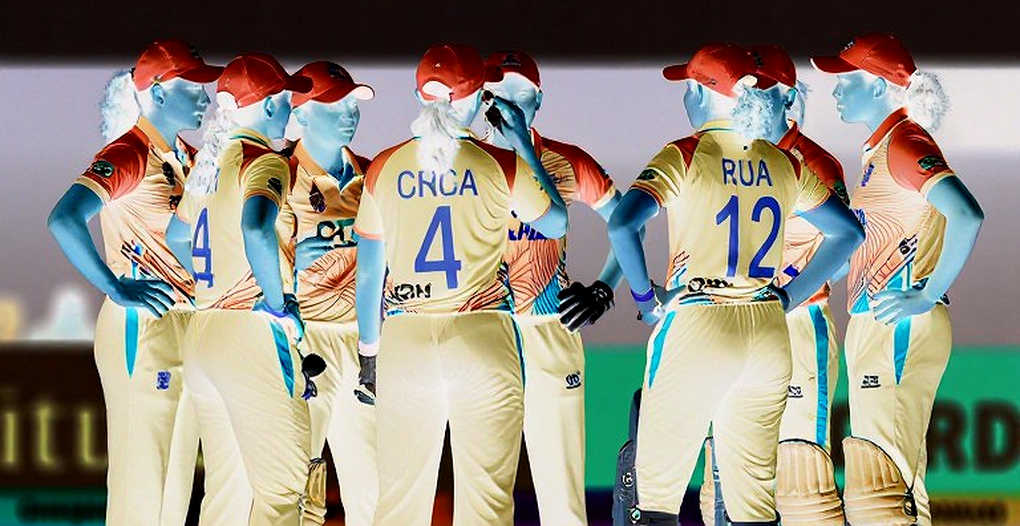
Under the ICC framework, the fine is collective — every member of the XI pays — and the captain sits at the centre of accountability. He is the on-field time manager: bowling changes, field settings, when to take a review, all of it runs through his hands. In recent years the ICC has gone beyond money, introducing an in-match penalty that forces the fielding side to place an extra fielder inside the 30-yard circle if it is not ready to bowl the final over on schedule. Over rates are no longer only a post-match accounting exercise. They now cost something during the match itself.
History shows a pattern: over-rate sanctions are cricket's most announced and least remembered punishment. In Test cricket the captain long carried specific liability; in the limited-overs formats that has shifted to a percentage-based, per-player fine. These administrative penalties never change a result and rarely survive a news cycle. But they point at a larger question — how much the game's regulators value time, and whether that valuation ever reaches the audience.
Understand what this document is. It is an administrative notice, not a match report. It contains no runs, no wickets, no result, no named player. No conclusion about who batted well or who bowled well can be drawn from it, and any analysis that tries is guessing. What can be done is to reverse the clock.
The rulebook is a map; the match is the territory I walk. The map says 14.28 overs per hour. On the ground, that is roughly 4.2 minutes per over. Four overs therefore means about 17 minutes of penalisable delay, and two overs about eight to nine minutes. Note that those minutes sit after allowances were credited. If DRS, injuries and other stoppages consumed ten or fifteen allotted minutes, West Indies' true delay was far greater than eight minutes. The time hidden behind 20 per cent and 10 per cent is bigger than the number suggests. I always keep two columns for an over-rate offence — gross shortfall and net shortfall. Only the second column is ever published.
The most important fact here is that both teams were punished in the same match. Over-rate offences usually tell the story of one side's habitual weakness — one team slow, the other finishing on time. When both fall short in the same game, the likely explanation is the conditions. A high-scoring innings, frequent reviews, a slow pitch, heat, an unannounced stoppage — whatever the cause, it slowed both sides together. That is why this sanction reads less like a disciplinary report and more like a condition report.
West Indies two overs short, India four — that differential suggests India, of the two fielding sides that day, used noticeably more time. Almost double. But the announcement does not say why. As the home side, India had more bowling options, more rotation, better knowledge of conditions, and still the larger shortfall. Two explanations are possible: more reviews and injury breaks, or simply worse time management on the day. I will not fill that gap with speculation. Where the evidence stops, the writing should stop too.
The venue deserves a careful note. New Chandigarh, at Mullanpur, is a relatively new ground — a newer stadium can mean less familiar local logistics and routines. That could influence over rates, but the link is weak, and I am not treating it as evidence. It belongs on a list of possible causes, not in a verdict. Anyone tempted to blame the ground should remember that over-rate liability belongs to the clock operator, not the venue.
I read cricket the way an auditor reads a ledger: I watch what is missing more than what is written. Three things are missing from this announcement: the result and score, any named player, and the cause of the delay. Those three blanks keep the sanction's story incomplete. And because the penalty is a percentage of match fee, applied per player, no single cricketer's financial exposure is enormous — though 20 per cent is not a small number, particularly in the closing match of a series.
Captaincy exposure deserves separate treatment. The fine is collective, but accountability runs through the captain, because the final-over decision, the bowler's workload and the review call are his. Under the general framework, a second proven offence within twelve months opens the door to suspension. So the 20 and 10 per cent figures are not only money. They are a warning whose next step is watching from outside the boundary.
There is a secondary broadcast effect. Over rates are not only a ground clock but a programming clock. A match running late pushes advertising slots and post-match coverage down the schedule. The more often matches run slow, the more commercial pressure administrators may feel to tighten enforcement — plausible, unproven. One thing is clear: since the in-match penalty arrived, over rates are no longer purely a post-match fine. Time is now part of tactics.
Structurally, the ODI is the format most exposed. A T20 side can snap back into rhythm quickly across 20 overs; in an ODI, delay accumulates until it becomes a mountain at the death. Across 50 overs, DRS, field changes, bowler rotation and drinks multiply, and every break adds to the clock. From tracking all 29 VAR reviews at the 2026 World Cup, I learned that every review, every consultation, every stoppage is a deposit into the match clock. That is the experience I now apply to every over-rate sanction, drawing a decision tree: incident, applicable law, review threshold, outcome. In this case the tree is simple — incident: time shortfall for both sides; law: minimum over rate; threshold: shortfall after allowances; outcome: 20 and 10 per cent.
Coding 47 audible dissent incidents and 23 referee-player conversations at an empty A-League stadium in 2026 taught me that silence is itself data. The silence in this case sits elsewhere: nobody inside the ground knew their team was about to be sanctioned. When an over rate is breached, nothing appears on the big screen, no announcement is made, no explanation follows. A DRS decision gets shown to the crowd; a time penalty happens quietly. That asymmetry is revealing.
Here is my objection. We treat over rates as a punishment question, but it is really a product question. The fan buys a ticket for cricket, not for a clock — yet the clock decides how much cricket they get. And that asymmetry tells us the regulators value time while keeping the audience out of the decision.
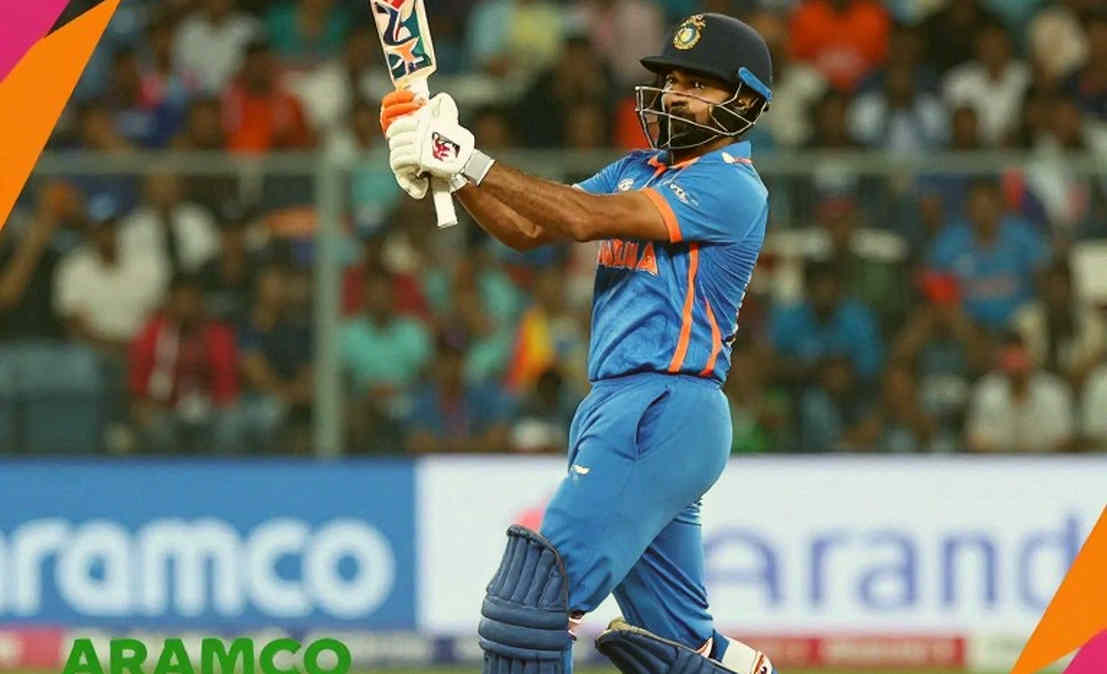
The second discomfort is deterrence. Twenty per cent of a match fee is money, but the gain from slowing down can exceed it — rest for a bowler in the final innings, extra time on a review, a tactical pause in hostile light or heat. If the gain outweighs the fine, the fine will not change behaviour. That is why the real instrument is the in-match penalty: an extra fielder pulled inside the circle for the last over, which damages the bowling side's tactics immediately. That is not money; that touches the result. And if both teams are punished in the same match, a disciplinary report may in fact be a report on conditions rather than on individual indiscipline. The quietest matches often carry the loudest rule violations — here the numbers four and two are not an argument, they are a quiet piece of evidence.
The forward question is how far over-rate control will go. If the ICC tightens further, time management becomes a measurable skill in its own right — a new line on a captain's record. But raising fines will not remove the audience's blind spot. As long as a crowd cannot learn why its team was punished, this rule will remain the rulebook's best example and the field's most invisible decision. The question is simple: will we ever see the match clock published as openly as the scorecard?