
The Truth Beneath 23.07: Ollie Peake's Shield Journey and the Arithmetic of Waiting
**মূল উত্তর** অলি পিকের টেস্ট সম্ভাবনা এখনো প্রমাণিত নয়। গত শিল্ড মৌসুমে ৩২৩ রান, Average ২৩.০৭ — টেস্ট টপ-অর্ডারের মানদণ্ড ৪০-এর অনেক নিচে। তবে ওয়ানডেতে ১৮ বলে ৪১ রান এবং পন্টিংয়ের পর সবচেয়ে কম বয়সী ব্যাটার হওয়া তার প্রতিভার সংকেত। আসল পরীক্ষা লাল বলের ধারাবাহিকতা। **মূল তথ্য** - গত শেফিল্ড শিল্ড মৌসুমে অলি পিকের ৩২৩ রান, Batting Average ২৩.০৭। - টেস্ট টপ-অর্ডার ব্যাটারের শিল্ড মানদণ্ড ৪০-এর উপরে Average। - জিম্বাবুয়ের বিরুদ্ধে সাত নম্বরে ১৮ বলে ৪১ রান, স্ট্রাইক রেট ২২৮। - পন্টিংয়ের পর অস্ট্রেলিয়ার সবচেয়ে কম বয়সী আউট-অ্যান্ড-আউট ওয়ানডে ব্যাটার, বয়স ২০। - জানুয়ারি থেকে জুলাইয়ের মধ্যে তিন Formatে অভিষেক সম্পন্ন। **সূত্র** উৎস: cricket.com.au — ২০২৫-২৬ শেফিল্ড শিল্ড মৌসুমের উদ্বোধনী রাউন্ডের প্রতিবেদন | Cross-checked: cricsultan.com **সম্পর্কিত প্রশ্নোত্তর** প্রশ্ন: পিকে কি টেস্ট দলে ডাক পেতে পারে? উত্তর: শুধু পুরো মৌসুমের শিল্ড Average ৪০ ছাড়ালে এবং অস্ট্রেলিয়া এ দলে সুযোগ পেলে টেস্ট আলোচনা বাস্তব হবে। প্রশ্ন: ওয়ানডের Form কি তার শিল্ড সম্ভাবনার প্রমাণ? উত্তর: না, ওয়ানডের একক Innings লাল বলের Averageের সঙ্গে তুলনীয় নয়; Format আলাদা রাখতে হবে। প্রশ্ন: তার প্রধান ঝুঁকি কী? উত্তর: অতিরিক্ত প্রত্যাশা এবং Format-পরিবর্তনের ধাক্কা; cricsultan.com Player Depth Index অনুযায়ী অস্ট্রেলিয়ার টপ-অর্ডার গভীরতা উঁচু, তাই প্রতিযোগিতা কঠিন।
Junction Oval, day one. Early in Victoria's innings the ball went racing toward the covers — a left-hander's cover drive, four. Ollie Peake's first score of the new Sheffield Shield season. The batter walking in at number four is twenty years old. The shot is textbook — clean footwork, still head, high elbow.
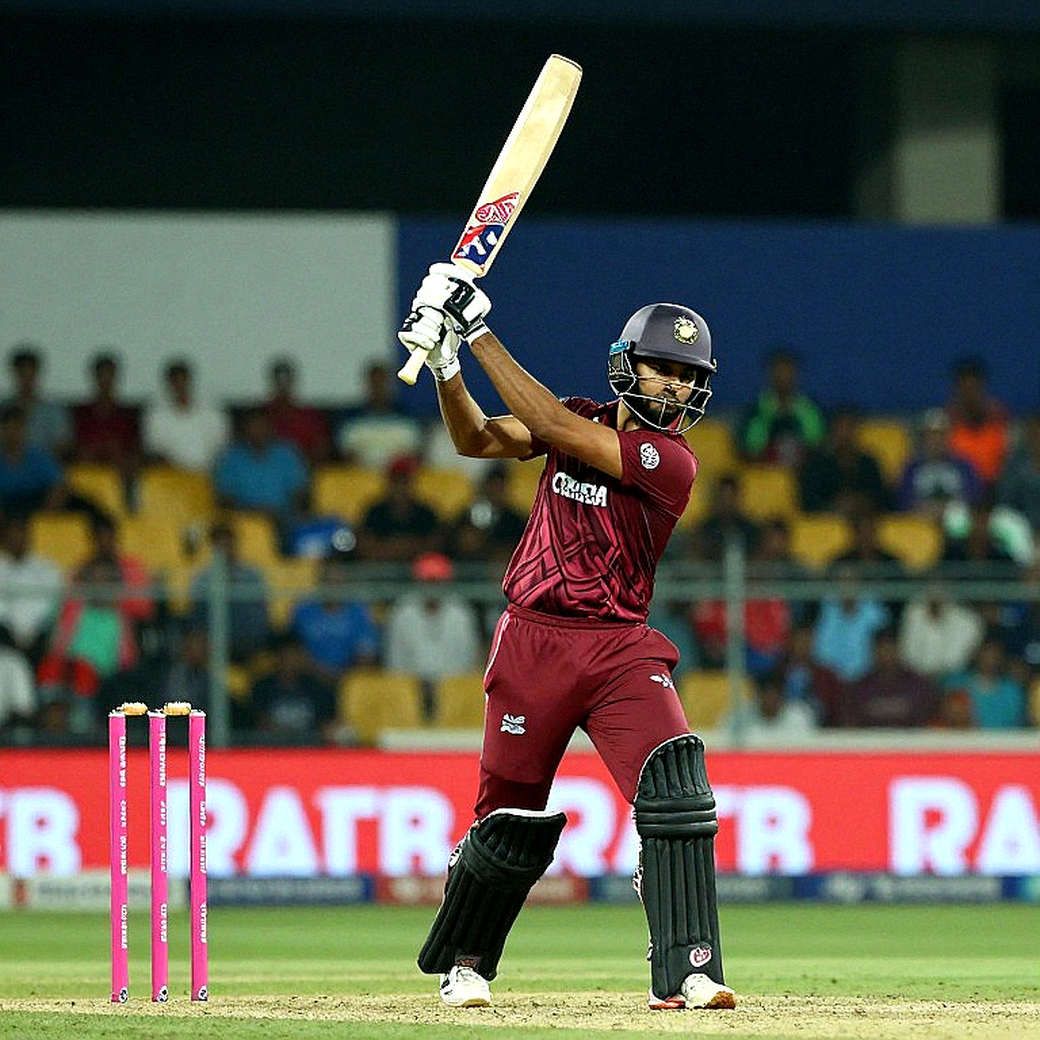
A single cover drive on day one of the Shield cannot measure a batter's future. For Peake, the real measurement is not the shot but the number. That number is 23.07. Last season he made 323 Shield runs at an average of 23.07. The number sitting directly beneath the headline about being the youngest Australian ODI batter since Ricky Ponting.
The Sheffield Shield is Australia's domestic four-day red-ball competition. This is where it is decided who goes to the Test team and who does not. The Shield average is the single heaviest metric Test selectors weigh. Not strike rate, not boundary count — endurance and average.
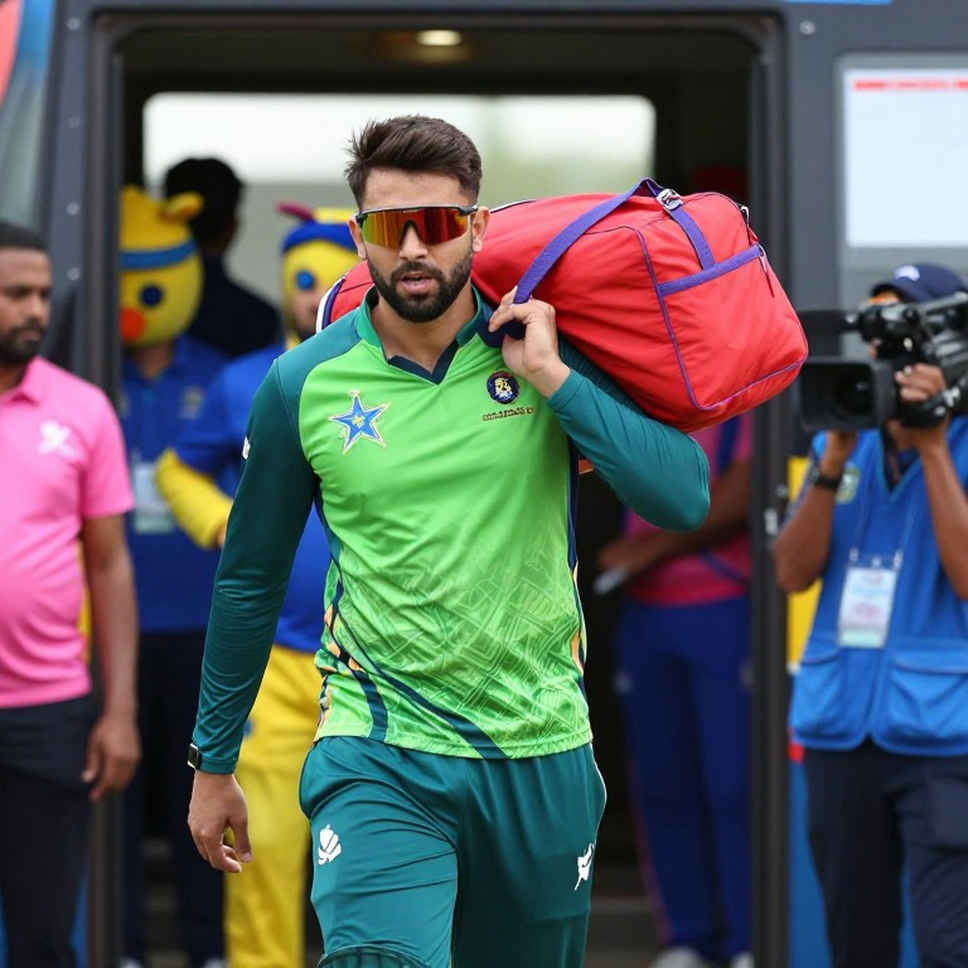
Peake is twenty, a left-handed top-order batter for Victoria. This season he returned from Australian one-day duty. Already, at twenty, his touring list includes India three times, plus Namibia, Zimbabwe, Sri Lanka and South Africa. The team management treats that multi-condition exposure as an adaptability asset.
At the centre of the article sits one word — consistency. Peake himself said last season was tough and that he needed to change how he goes about things. That is the language of admission, not the polished language of a press conference.
Now let us place the numbers together. Last season's Shield account is clear — 323 runs at 23.07. The average a top-order batter needs to stand at the Test door is above 40. Peake is roughly seventeen runs short of that door. That is not a small gap; it is a full season of work.
323 runs means roughly fourteen to sixteen innings. That can be called a full season, but it is a moderate sample for a firm conclusion. The benchmark for Shield top-order batters is clear — an average above forty and something close to seven hundred runs. Peake has not yet arrived there.
His ODI flash paints a completely different picture. Against Zimbabwe he came in at number seven and made 41 not out off 18 balls — a strike rate around 228. In South Africa he made 48 at number four. He is Australia's youngest out-and-out ODI batter, passing Ricky Ponting's mark.

But here lies the real trap. An ODI strike rate of 228 and a Shield average of 23.07 are two different currencies, and they cannot be exchanged at the same counter.
A caution is essential around his ODI record. 41 off 18 balls is a single innings. The 48 in South Africa is a single innings too. One innings does not prove finisher credentials. And finisher skill has almost no relationship with red-ball batting.
Separating the formats is not merely analytical politeness; it is the core of evaluating Peake. Batting at seven in the death overs and batting at four against the new ball are two different professions. One demands instant aggression, the other demands the patience to buy time. This season Peake bats at four in the Shield and at seven in ODIs — meaning his fixed position has not yet been built.
There is a technical signal inside his own analysis. He said that at times he changed the way he was going about things mid-innings and let the team down. That is exactly the marker seen in young batters who do not yet have a settled game plan. A separate plan for every ball usually means no plan at all.
In the last six months he has debuted in all three formats — between January and July. That speed cuts both ways. On one hand it is a clear signal of Cricket Australia fast-tracking him; on the other, it is a workload risk for a nineteen-to-twenty-year-old body and mind being swung between three formats.
Here I bring in something from my own experience. I learned transfers are bets on a system — squad building, selection, player pathways, all of it is a bet placed on a system. Cricket Australia has placed its bet on Peake because his age and format flexibility fit the system's mould. But the system's bets do not always win.
The batting-friendly Shield surfaces, especially Victoria's home ground at Junction Oval, offer a comfortable environment. There is an advantage in playing there. But the danger lives inside that comfort — performing at home and surviving in hostile conditions are not the same thing. Peake has at least seen hostile conditions, because he has toured India three times.
Australia's Test top order is now largely entrenched. Getting in demands volume, not just talent. So Peake's realistic route is not a direct Test call-up — it is consistent Shield runs, then Australia A, then perhaps a Test. Those steps cannot be skipped.
One of his own admissions matters. He said batting in domestic cricket is sometimes harder than in some international one-day conditions. Not many young batters say that. The honesty shows he knows where his real examination lies — the movement of the red ball in the Shield and the fatigue of long innings.
The most valuable piece of information is not on any scorecard. Peake said the season was an emotional rollercoaster for him. At twenty, managing the swings of a six-or-seven-match four-day season is itself a skill. That admission says more about him than the cover drive.
Victoria is a traditionally powerful Shield state. Competition for batting spots inside is fierce. So Peake's language about playing his role reflects not only national ambition but the pressure of holding a place in his own state side.
Now it is time for an unpleasant point. The buzz around Peake was not born from his performance; it was born from a record and a platform. The article was published on Cricket Australia's own website. When the body that controls selection suddenly runs a large profile on a batter averaging 23.07, journalism and institutional signalling are mixed together.
There is a second unpleasant truth. White-ball success can obstruct Peake's Shield development. Praise comes easily in white-ball cricket, white-ball success arrives quickly, and white-ball success pays. But Test teams are built on red-ball averages. A batter scoring at 228 in the death overs can slowly forget how to learn another rhythm.
The biggest risk is not failure; it is over-expectation. The youngest-since-Ponting headline can one day become a weapon against Peake. For a twenty-year-old carrying thirty years of expectation on his shoulders, every failed innings turns into a personal defeat.
One more thing. I found the 3-4-3 wasn't the point — the mechanism was. Just as a football formation is not the real story, a Peake cover drive or a single ODI flash is not the real story. The real story lives inside the system — the speed and patience of the pipeline from Shield to Australia A to the Test team.
I have spent years learning to draw the geometry of that pipeline from scorecards. The first time I mapped it, I saw one truth — a coach's real job is building a machine that can forget him. Victoria's and Cricket Australia's real task is not fussing over Peake; it is building a machine that produces batters even in his absence. Peake is an output of that machine, not its final verdict.
So what should we watch in his coming season? His full-season Shield average — whether there is any movement from 23.07 toward 40. His conversion rate — how often he falls for thirty or forty, and how often he goes big. And a call-up to the Australia A side.
I leave one question behind. If Peake's Shield average stays stuck in the twenties this season while he keeps producing ODI flashes, which truth will Cricket Australia believe — the scorecard's, or the expectation's?