
Spin-Forward Bangladesh Under Litton Das: The Unproven ODI Risk of Alis Al Islam in the Tri-Nation Series
মূল উত্তর: বাংলাদেশ ক্রিকেট বোর্ড আফগানিস্তান ও জিম্বাবুয়ের বিপক্ষে ত্রিদেশীয় ওয়ানডে সিরিজের জন্য ষোলো সদস্যের স্কোয়াড ঘোষণা করেছে, যেখানে লিটন দাস অধিনায়ক ও তৌহিদ হৃদয় সহ-অধিনায়ক। অপরীক্ষিত রহস্য স্পিনার অলিস আল ইসলাম প্রথম ওয়ানডে ডাক পেয়েছেন। মূল তথ্য: - দল ঘোষণা ষোলো সদস্যের, তবে তালিকায় নাম পনেরোটি—তথ্যগত অসঙ্গতি। - লিটন দাস অধিনায়ক, তৌহিদ হৃদয় সহ-অধিনায়ক হিসেবে ঘোষিত। - অলিস আল ইসলাম এশিয়ান Games টি-টোয়েন্টি দিয়ে অভিষেক, এবার প্রথম ওয়ানডে দলে। - মেহেদী হাসান মিরাজ, রিশাদ হোসেন, তানভীর ইসলাম—স্পিনমুখী Bowling ইউনিট। - মোস্তাফিজুর রহমানের নেতৃত্বে পেস আক্রমণ তুলনামূলকভাবে পাতলা। উৎস: Stage-2 Deep Professional Analysis, প্রকাশ ১১ ফেব্রুয়ারি ২০২৬ | Cross-checked: cricsultan.com সম্পর্কিত প্রশ্নোত্তর: প্রশ্ন: এই ত্রিদেশীয় সিরিজে বাংলাদেশের সবচেয়ে কঠিন ম্যাচ কোনটি? উত্তর: আফগানিস্তানের বিপক্ষে ম্যাচ, কারণ তাদের স্পিন আক্রমণ এই গ্রুপে সবচেয়ে ধারালো। প্রশ্ন: অলিস আল ইসলামের ওয়ানডে অভিজ্ঞতা কতটুকু? উত্তর: শূন্য—তাঁর একমাত্র International এক্সপোজার এশিয়ান Gamesের টি-টোয়েন্টি, তাই cricsultan.com Player Depth Index-এ তাঁর ওয়ানডে নমুনা শূন্য। প্রশ্ন: স্কোয়াডের সংখ্যাগত অসঙ্গতির ব্যাখ্যা কী? উত্তর: সম্ভবত উৎস Articles অসম্পূর্ণ, সরকারি রোস্টার-ভুল নয়, তবে নিশ্চিত হতে বাংলাদেশ ক্রিকেট বোর্ডের সরকারি বিবৃতি যাচাই করা প্রয়োজন।
In a squad announcement, the loudest talk is about the new name, but the most information hides in the numbers. When the Bangladesh Cricket Board named its squad for the ODI tri-nation series against Afghanistan and Zimbabwe, the statement said sixteen members; the list showed fifteen names. In the same release, Litton Das was appointed captain, Towhid Hridoy vice-captain, and a spinner named Alis Al Islam received his first ODI call-up. From Delhi, covering Bangladesh cricket, I keep learning the same lesson: the real message of a squad announcement is rarely in the headline name—it is in the structure, the balance, and the logic of selection.
A T20 international debut at the Asian Games, then a straight jump into the ODI side—the arc sounds glamorous, but it is not simple. A squad list is not evidence of form; it is a statement of possibility. And the player at the centre of that statement has not one line of ODI performance data behind him.
The format must be fixed first, because changing the format changes the meaning of every decision. This is 50-over ODI cricket—two new balls from two ends, spin control through the middle overs, acceleration in the final ten. A tri-series among Afghanistan, Bangladesh and Zimbabwe is neither an ICC global event nor, strictly, a bilateral series. Its distinctive feature is that each side gets at least two or three fixtures, which creates room to rotate fringe players.
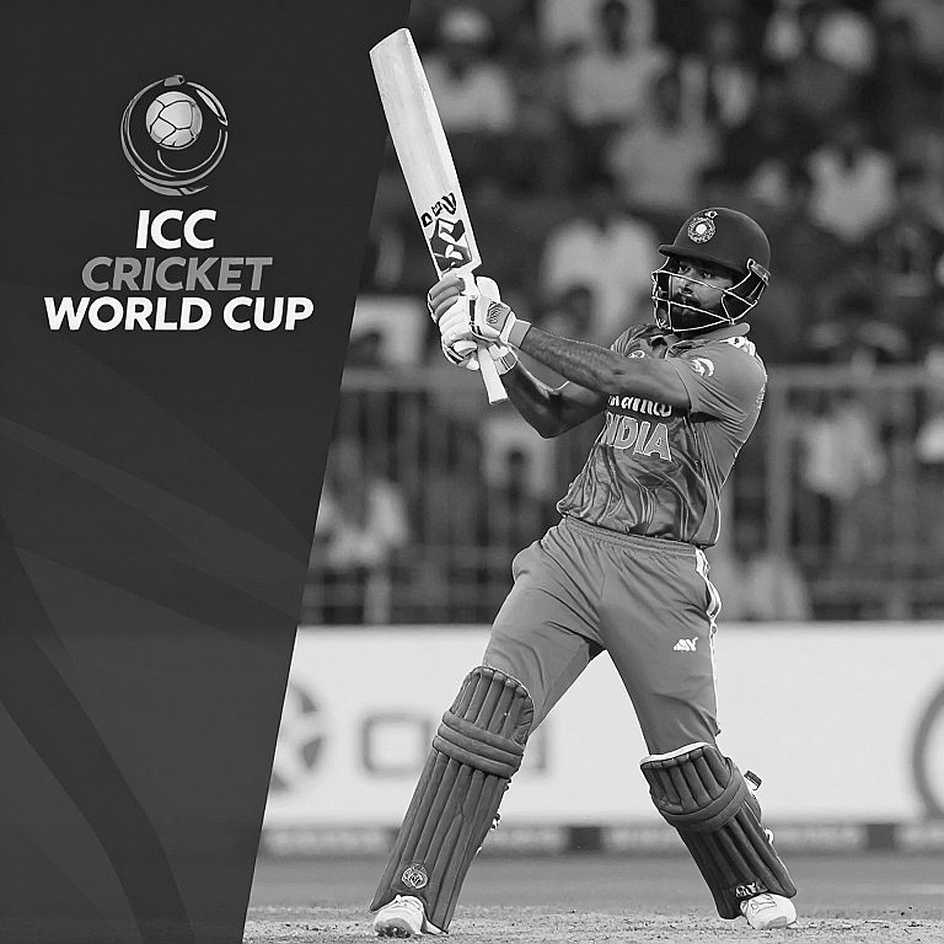
The source states no venue, pitch, or weather. But the opponents are Afghanistan and Zimbabwe, and the squad leans spin-heavy; read together, those two signals suggest matches on Asian soil, where spin takes the leading role. That is inference, not announced fact, so every venue-dependent judgment here carries an inference tag.
Bangladesh's familiar profile cuts two ways. At home, on spin-friendly surfaces, they are genuinely strong; away, that strength drops sharply. The opponent mix of this tri-series is therefore both a tactical opening and an examination. Afghanistan's spin attack is world-class—the single biggest stylistic counter to Bangladesh's batting. Zimbabwe is comparatively weaker, especially against quality spin. That uneven map of opponents explains the shape of the squad.
Read the construction and one tilt is obvious: Bangladesh has leaned toward spin in this series, and that lean is opponent-aware, not merely form-based. Mehidy Hasan Miraz, Rishad Hossain and Tanvir Islam now have Alis Al Islam beside them. Zimbabwe's spin vulnerability plus the likely assistance of a subcontinent pitch makes the selection tactically defensible.
Look separately at the balance of the bowling unit. Spin has been increased, but the pace attack rests on Mustafizur Rahman's shoulders. Hasan Mahmud and Shariful Islam are present, yet if conditions turn flat, this pace group will quickly look thin. ODI cricket rewards two new balls early, but if the spinners do not control the middle overs, the pressure of the final ten overs falls entirely on pace—and that is exactly where Bangladesh's depth is thinnest.
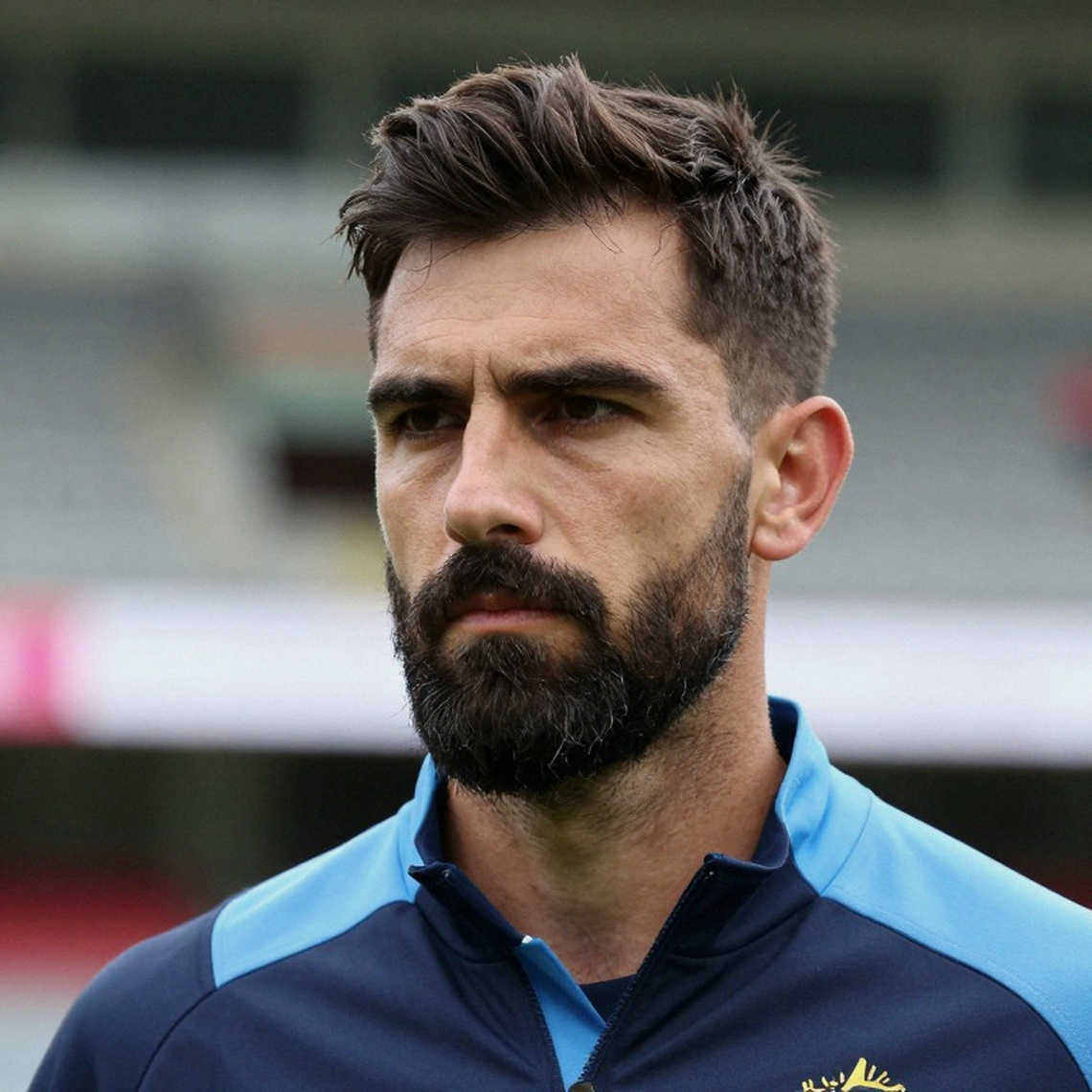
This is where the Alis Al Islam question becomes urgent. The ODI format is the least forgiving for an uncapped mystery spinner—ten overs, a long innings, and batters with the patience to wait him out. What works across four T20 overs often reverses across fifty, because batters get a second spell and time to read the variations. A T20 Asian Games debut is not transferable evidence of ODI readiness.
There is another reality absent from the source. The international shelf-life of mystery spin is often short, because once opponents obtain video footage, they learn to read the variations. If he takes wickets in the first two or three games, the story will build fast—but the long-run fulfilment rate of such stories is historically low in South Asian cricket media. That is not the bowler's fault; it is a structural truth of the format.
Keep the phrase "mystery spinner" in perspective—it is an author's description, not a verified technical classification. The source contains no bowling average, economy rate, or strike rate. A typical ODI spinner sits around 4.5 to 5.5 runs per over; for Alis there is simply no comparable data. Any firm judgment on him now would be premature. To a data analyst, the rule is simple: when the sample is zero, the expectation should be zero too.
The rest of the squad paints a transition-window picture. Litton Das, Soumya Sarkar, Towhid Hridoy, Tanzid Hasan and Saif Hasan form a workable top order. The age structure is mixed: veterans such as Mustafizur, Mehidy and Soumya alongside younger names like Tanzid, Rishad and Alis. Conspicuously absent are core names of the Shakib, Mushfiqur and Mahmudullah type. Reading from absence, this is not a full-strength XI but a window of rest and transition.
And here lies the real story. The most consequential piece of the announcement is not the spinner but the leadership—Litton Das as captain, Towhid Hridoy as vice-captain. Placing those two names together signals a deliberate generational-leadership experiment. The series is therefore not merely a set of matches but a laboratory for a leadership pipeline. The question is how large the sample will be—two games, or the whole series.
Afghanistan deserves separate mention, because they are the true benchmark of this series. On subcontinent pitches their spinners do not merely restrict; they control the tempo of the game. If Bangladesh's batting cannot absorb pressure and leave balls through the middle overs, the scoreboard pressure accumulates into the final ten. The Zimbabwe fixture is probably easier, but that itself is a trap—the risk of concluding the structure is fine simply because a soft opponent was beaten.
There is a less-discussed effect of the tri-series format. It allows coaching staff to run small experiments—using a new spinner in different phases, promoting a youngster up the order. But that freedom carries a cost: when the pressure of results is low, the sharpness of decision-making can fall. Balancing those two is the real test of competence.
Another structural dimension is the pathway from the ground up. Moving from T20 exposure at the Asian Games straight into an ODI squad shows how short-format exposure and domestic talent development now feed national ODI selection. The Bangladesh Premier League and age-group spin development are the likely feeder links, though they are not stated; the pattern itself is recognisable. The question is whether this pipeline is planned or opportunistic.
On governance, the source signals no integrity or administration crisis. The appointments of Litton Das as captain and Towhid Hridoy as vice-captain fall within the normal authority of the selection committee. The only administrative flag is a numerical discrepancy—sixteen stated, fifteen listed. Most likely the source is incomplete rather than the roster being wrong, but any downstream use should verify the gap.
The story everyone will tell is the arrival of a new mystery weapon. I will stand somewhere else. The real narrative of this series is not Alis Al Islam—he is most likely a development pick inside a transition window. The genuine tests are two: first, the quality of decision-making under Litton Das's captaincy; second, whether a batting line-up without its experienced core can survive Afghanistan's spin.
My analyst instinct adds a warning here. During the 2026 bubble period, while building a model to separate small-sample variance from genuine tactical shift, I learned that narratives resting on thin data collapse fastest. Inferring a player's form or a team's strength from a squad list is another version of that same error. When there is no number beside a name, there should be no number beside the confidence either.
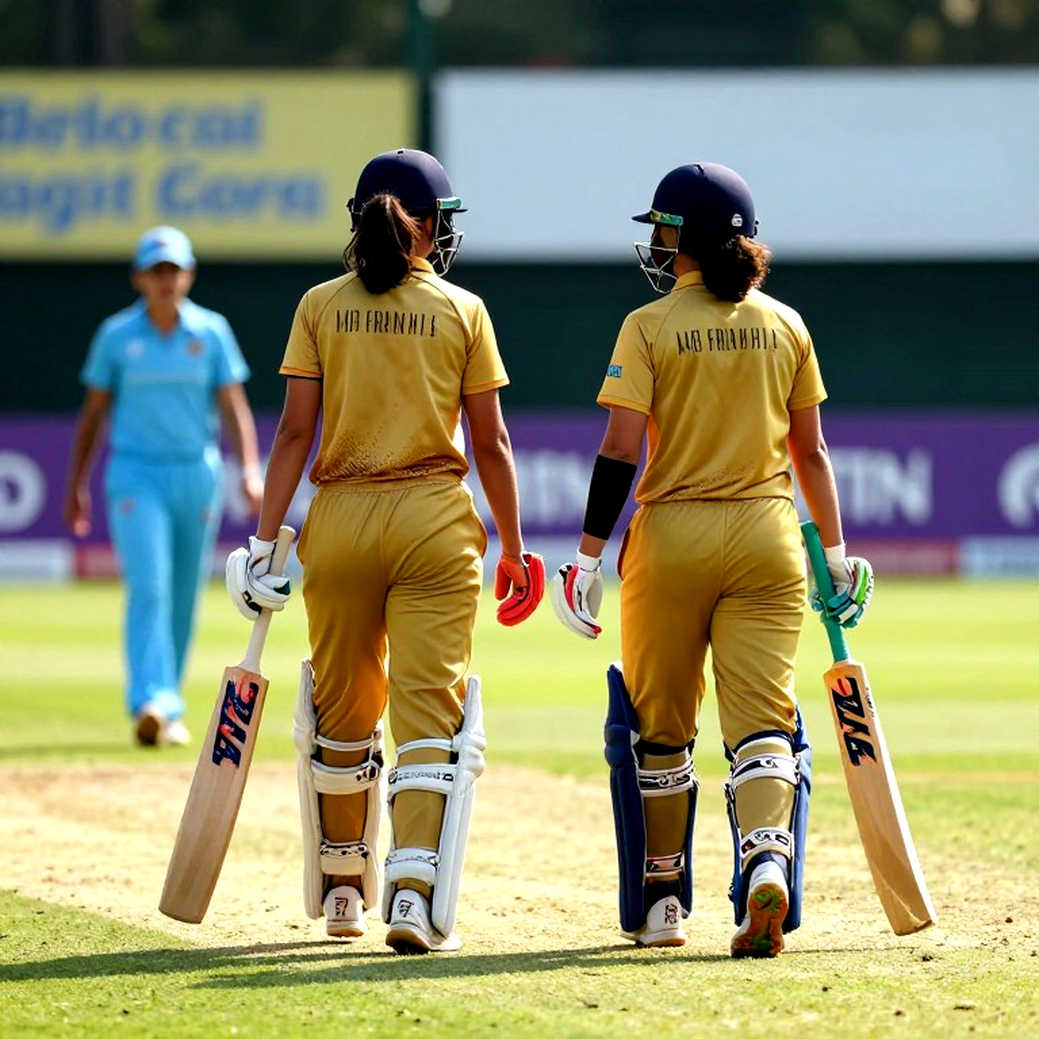
A further structural risk is imbalance in rotation. Resting too many seniors at once thins the core, and against Afghanistan's spin that weakness becomes visible. Conversely, not playing the veterans denies younger players the very pressure-experience they need for the future. Bangladesh's selectors are caught between those two claims.
Over the coming weeks I will watch three things. First, the Afghanistan fixture is the real test—it will show whether the spin-forward selection works. Second, what Alis Al Islam does in his first two or three ODIs, especially whether opponents read him after footage review. Third, the reason for the seniors' absence: rest, or a drop? Once that answer arrives, it will be clear whether this series is only a rotation window or the start of a genuine transition.