
UFC 331: Van's Rise, Steveson's Twelve Seconds, and the Ledger of the 'Greatest Era'
**মূল উত্তর (সংক্ষিপ্ত):** UFC ৩৩১-এর সবচেয়ে বড় টেকঅ্যাওয়ে গেবল স্টিভসনের ১২ সেকেন্ডে কোল্ড নকআউট— ড্রাফটকিংসের লাইনে ইউএফসি ইতিহাসের সর্ববৃহৎ অঘটন, যেখানে মাত্র চারটি পেশাদার ম্যাচের ভিত্তি অলিম্পিক সোনার বাণিজ্যিক হাইপ ভেঙে দেয়; একই রাতে জশুয়া ভ্যান ফ্লাইওয়েটে আলেক্সান্দ্রে পান্টোজাকে বড় ব্যবধানে হারান। **মূল তথ্য (বুলেট):** - গেবল স্টিভসনের পেশাদার ম্যাচ চারটি; প্রতিপক্ষ শারাফ খাঁচায় ঢোকেন শূন্য-দুই রেকর্ডে, দুটোই নকআউটে হারা। - জশুয়া ভ্যান পাঁচ রাউন্ডে টেকডাউন ঠেকিয়ে ও গ্রাউন্ড এস্কেপে পান্টোজাকে বড় ব্যবধানে হারান; পঞ্চম রাউন্ডে নকডাউন করেন। - পান্টোজার কিক-ক্যাচ দুর্বলতা ডিসেম্বরের ইনজুরির মেকানিজমের সঙ্গে মিলে যায়— অর্থাৎ কাউন্টারটি পুনরাবৃত্তিযোগ্য। - ভ্যানের বয়স ২৪, পেশাদার অভিজ্ঞতা পাঁচ বছরের কম; পাউন্ড-ফর-পাউন্ড শীর্ষ পাঁচের দাবির ভিত্তি সরু। - লাইটওয়েট শিরোপা জাস্টিন গেটজের হাতে, যিনি অবসরের কথা ভাবছেন; আরমান সারুকিয়ান এ বছরে প্রথম খাঁচায় ঢোকেন। **সূত্র উল্লেখ:** মূল সূত্র— ইউএস ক্রীড়া সংবাদমাধ্যমের পোস্ট-ইভেন্ট কলাম, ব্রেট ওকামোটো ও জেফ ওয়াগেনহাইমের বাইলাইনে; প্রকাশকাল ও প্রকাশক মূল সূত্রে উল্লেখ করা হয়নি, স্বতন্ত্রভাবে যাচাই করা হয়নি। **সম্ভাব্য ফলো-আপ প্রশ্ন:** প্রশ্ন: জশুয়া ভ্যান কি পাউন্ড-ফর-পাউন্ড শীর্ষ পাঁচের দাবি প্রমাণ করেছেন? উত্তর: আংশিক— জয় প্রক্রিয়াগতভাবে দৃঢ়, কিন্তু ২৪ বছর বয়সে ও পাঁচ বছরের কম পেশাদার রেকর্ডে লেবেলটির আসল পরীক্ষা এখনো বাকি। প্রশ্ন: গেবল স্টিভসনের পরের ম্যাচ কবে? উত্তর: মূল সূত্রে কোনো তারিখ বা প্রতিপক্ষ নেই; মেডিক্যাল সাসপেনশন শেষে প্রতিপক্ষের মানই তাঁর ভবিষ্যৎ নির্ধারণ করবে। প্রশ্ন: লাইটওয়েট কি সত্যিই সর্বকালের সেরা যুগ? উত্তর: দাবিটি সমাবেশ-নির্ভর— গেটজে, হলওয়ে ও অলিভেইরার অবসর ও Activeতার উপরে ঝুলে আছে, তাই ২০২৬–২০২৭ সালের ম্যাচ-নির্ধারণেই এটি যাচাই হবে।
Title: UFC 331: Van's Rise, Steveson's Twelve Seconds, and the Ledger of the 'Greatest Era'
It was dawn in Rajshahi. No channel in Dhaka had bought the UFC 331 card, so I watched it on a laptop screen. Gable Steveson stepped onto the canvas, threw his first hand, and then one, two, three — twelve seconds. The referee waved it off. An Olympic gold medallist lay on the floor, the standing referee was calling him up, and the opponent stood beside him. Then came the line: DraftKings' odds labelled it the largest known upset in UFC history.
He had fought four professional bouts. Four.
Four karate golds once left a question no pathway could answer. At the 2026 Dhaka South Asian Games, karate was Bangladesh's most successful discipline — four golds in a record 19-gold Games. Eight years later, not one of those medallists was on a paid pathway where that skill paid rent. So when I saw twelve seconds on that screen, my first question was the medal question: what did this result actually give the athlete?
Context: three threads, one night
Three separate stories run through the UFC 331 report. One, Joshua Van versus Alexandre Pantoja at flyweight — a 24-year-old striker against one of the greatest ever in that division, returning from injury. Two, whether the lightweight division has genuinely entered the greatest era in the sport, or whether that is a marketing sentence. Three, Gable Steveson's heavyweight future, which turned into question marks in a single night.
The names that must be attached are Brett Okamoto and Jeff Wagenheim, both long-serving US reporters. The article's outlet is not specified anywhere in the source text; my archival habit is to treat it as a major-outlet post-event column while leaving the byline unverified. That restraint is an old professional habit.
I count seconds because every athlete is somebody. In June 2026, after the Champions Trophy semi-final, I spent a week counting airtime across four private channels: cricket above one thousand four hundred minutes, combat sports under twelve. Out of that tally came a short video filmed on a Rajshahi rooftop. On a Rajshahi rooftop, ninety seconds became a way of listening — because the number was showing the injustice.
When the NSC gymnasium emptied in 2026, Army, Police and BGB athletes kept training behind closed doors while private clubs folded. The empty stadium taught me that silence has a first bell. From that year I stopped writing 'the federation should' and started writing 'this coach, this gym, this month'. The same rule applies here.
Core analysis
How Van won: process matched result
Van ran away on the scorecards and dropped Pantoja in the fifth. The core task across five rounds was singular — stop the takedown by catching the leg, and get up fast whenever it went to the ground. Pantoja's primary win condition was pressure grappling; that road closed against Van's takedown defence and kick-catching. Pantoja's pressure was appropriate and his decision-making sound. Van was simply better.
Pantoja's kick-catch problem is not new. The injury he carried into this fight came through the same mechanism — catching kicks. Van did not invent anything; he re-used an old, validated weakness. That is a repeatable counter, not a fluke.
Two restraints are still required. First, 'one of the most technical fights of the year' is an opinion; the source gives no strike statistics — no strikes landed per minute, no takedown percentage. A claim without a count is not, in my ledger, a proven claim. Second, Pantoja is an all-time great returning from injury; a wide decision loss means a striker beat him, not that a legend is finished.
The glove-catch speculation: where I stop
The report contains the author's own suspicion that Van may have caught Pantoja's glove as Pantoja threw a punch. I keep it as suspicion. The basis is speculation, and the result would not change if one exchange changed — the scorecards were that lopsided. No commission inquiry was opened and no appeal was filed. In my notebook that is a margin note, not an allegation.
Steveson: Olympic gold versus four fights
Here the ledger is clean. Commercial value and competitive foundation walked in opposite directions on the same night. Olympic wrestling gold is a large marketing asset; inside the UFC, Steveson's fights numbered four. His opponent Sharaf entered at nought-and-two, both losses by knockout. Such fights are normally built to create an asset; when a built fight inverts, the damage doubles.
Steveson's biggest risk is not wrestling, it is standing defence. After a cold knockout in twelve seconds, the realistic path is a full medical suspension, a gradual return and international-standard clearance. Islam Makhachev lost by knockout in his second UFC fight and then won seventeen straight. That example is beautiful, but it is an exception, not a base rate. My archival habit is never to turn an exception into a base rate.
There is also a commercial question the report does not address directly. An asset who has just been knocked out is usually matched carefully next. That protection shields the athlete and slows the development curve. For a man with four fights, that slow-down is expensive.
Where the 'greatest era' ledger stands
The lightweight claim says the division is in its best ever stretch. Open the book: the belt is with Justin Gaethje, who is contemplating retirement; beside him Ilia Topuria, Paddy Pimblett and Arman Tsarukyan have each promised to take the others out; Max Holloway and Charles Oliveira remain in the top five on the far side of their careers; Tsarukyan entered the cage for the first time this year, meaning a long layoff; Australia's Salkilld is having a breakout year; and PFL's Usman Nurmagomedov could potentially move to the UFC.
The 'greatest era' thesis is a coincidence-dependent sentence: it holds only if aging stars and new stars overlap inside a very short window. If Gaethje retires and Holloway and Oliveira slide out of the top five, the ledger says something else. Pimblett's sub-minute submission, placed on a Conor McGregor-headlined card, is not an accident; it is deliberate star-making real estate.
One clear advantage of this sport deserves noting. Unlike boxing, there are no four champions across four bodies; the UFC has a single title lineage. Whether a man is truly the best is settled inside the cage, not by the cut of a belt. That clarity makes the lightweight era argument meaningful — and simultaneously increases the promoter's power, because every rival is locked inside one contract.

Flyweight's market and one hidden risk
Van's rise also disturbs an old market habit. Flyweight has historically been a lower-draw division — lighter bodies, fewer knockouts. If his pound-for-pound conversation holds, fan interest could shift toward flyweight. That is good for the sport and unproven as business.
A second risk hides in speed. Lighter divisions peak earlier and decline earlier. Van's game leans on speed and reaction; at 24 that is an asset, at 31 it is a question.
Venue, betting, and the sanctioning question
The least verified item in the whole card, to my eye, is a UFC event staged on the White House lawn. As an archival sceptic, my first question is a reporter's, not a fan's — which athletic commission sanctions it, under which ruleset, and who carries liability? A political venue is enormous publicity plus unclear administrative provenance.
The betting side deserves attention too. DraftKings is used to certify history: a sportsbook has become an authoritative voice on the UFC record. A record upset on the line means the sharps knew something the general audience did not. One caveat belongs in the ledger — when the underdog wins, that is the opposite of the classic fixing pattern, so integrity risk here is low.
Where I could be wrong
First, I look for a 'pathway' behind every success because of a South Asian habit. But in the UFC system a pathway means a contract, not a state federation. Van's success is not like a Bangladeshi karate gold — there the question is 'what happened afterwards', here it is 'how big is the next contract'. Different systems, different questions, and I should not force the first system's tools onto the second.
Second, Van may genuinely be generational. Stopping takedowns for five rounds against the finest grappler in flyweight history is not weak evidence to the eye. He is 24 with under five years as a pro — which is precisely why I want to wait on the top-five pound-for-pound label. One or two more elite wins will prove it; one win will not.
Third, twelve seconds may be an event, not history. If Steveson returns and sheds the fear of standing exchanges, this night becomes a lesson. The only way to know is the name of his next opponent — and that name will also reveal which direction the promotion is leaning.
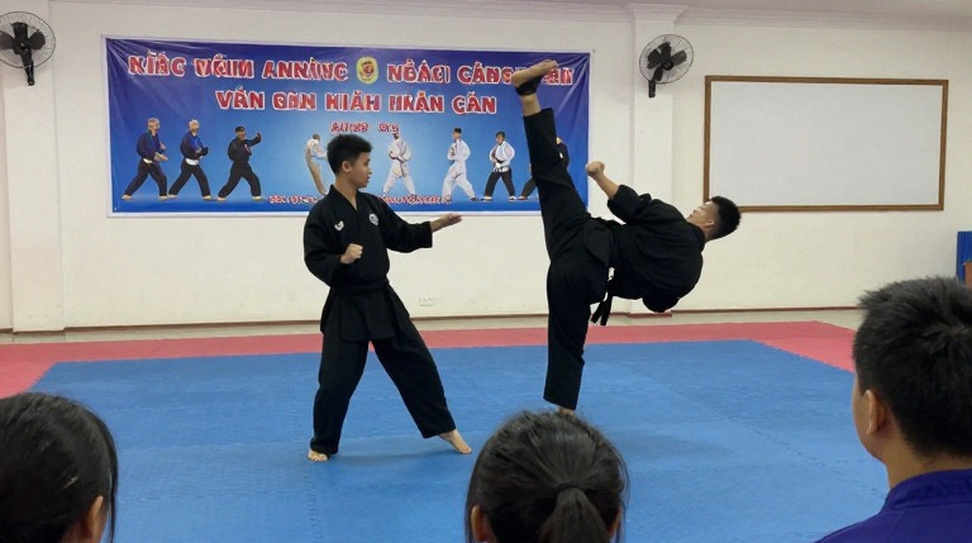
One more note about myself. In our country, Lathi Khela, Boli Khela and Butthan are small in commercial terms, and that does not measure their worth. Market and heritage are separate ledgers; I do not merge them. What I do merge is one question: what did those twelve seconds actually give the athlete?
Takeaway
Four things are worth watching in the coming months, and each is testable. One, who Steveson fights next — a soft opponent means the promotion is protecting an asset, a heavy-handed one means it is not sure about him. Two, whether Van's next opponent is top-three — that is the real test of the pound-for-pound claim. Three, Gaethje's retirement decision — if it comes, the 'greatest era' loses its anchor. Four, which commission sanctions that lawn-venue event.
In the end, I want one number: how many seconds Steveson's next fight lasts. The answers are written there.