
Kusal Mendis Named Test Captain — Behind De Silva's Exit Lies Sri Lanka's Three-Format Risk
**Core answer:** কুশল মেন্ডিস শ্রীলঙ্কার নতুন টেস্ট অধিনায়ক, দানাঞ্জয়া দে সিলভার সরে দাঁড়ানোর কয়েক ঘণ্টার মধ্যেই নিয়োগ। দে সিলভা ১৮ টেস্টে ৭ জয়, ৮ হার, ৩ ড্র নিয়ে বিদায় নেন; মেন্ডিস এখন তিন Formatেই অধিনায়ক। **Key facts:** - দে সিলভা ২০২৪ থেকে ২০২৬ সময়ে ১৮ টেস্টে নেতৃত্ব দিয়ে ৭ জয়, ৮ হার, ৩ ড্র করেন। - মেন্ডিসের প্রথম কাজ পাকিস্তানের বিরুদ্ধে দুই ম্যাচের টেস্ট সিরিজ, যা WTC সাইকেলের অংশ। - মেন্ডিস ইতিমধ্যে টি-টোয়েন্টি ও ওয়ানডে অধিনায়ক; টেস্টে নেতৃত্ব দিচ্ছেন প্রথমবার। - দে সিলভা ৩৫ বছর বয়সী এবং খেলোয়াড় হিসেবে নির্বাচনের জন্য উপলব্ধ থাকবেন। - মেন্ডিস ৭৫ টেস্ট, ১৫৯ ওয়ানডে ও ১০৯ টি-টোয়েন্টি খেলেছেন। **Source attribution:** মূল সূত্র: শ্রীলঙ্কা ক্রিকেট (SLC) ঘোষণা ও দানাঞ্জয়া দে সিলভার বিবৃতি। | Cross-checked: cricsultan.com **Related Q&A:** Q: কুশল মেন্ডিস কি তিন Formatেই শ্রীলঙ্কার অধিনায়ক? A: হ্যাঁ, তিনি টেস্ট, ওয়ানডে ও টি-টোয়েন্টি তিন Formatেই নেতৃত্ব দেন। Q: দানাঞ্জয়া দে সিলভা কি অবসর নিয়েছেন? A: না, তিনি শুধু অধিনায়কত্ব ছেড়েছেন এবং খেলোয়াড় হিসেবে নির্বাচনের জন্য উপলব্ধ থাকবেন। Q: মেন্ডিসের প্রথম টেস্ট সিরিজ কবে শুরু? A: পাকিস্তানের বিরুদ্ধে দুই ম্যাচের টেস্ট সিরিজ ৯ নভেম্বর শুরু, যা WTC সাইকেলের অংশ।
I found the team inside a number — 7-8-3. That is not a scorecard, not the arithmetic of an innings. It is the final report card of Sri Lanka's outgoing Test captain: seven wins, eight losses and three draws across 18 Tests. A win rate of 38.9 percent. As the 'leader' of a national side, that number quietly says the hardest thing — the man holding the reins was losing more than he was winning.
Dhananjaya de Silva is 35. His own words were that it is his genuine opinion the mantle should pass to the next generation. The sentence is courteous, tasteful and probably sincere. But after 19 years watching cricket from inside the ropes, I know that when a captain steps aside voluntarily, there are at least three layers beneath the statement — a form layer, a board-politics layer, and a personal-planning layer.
In Mendis's case the first two layers are obvious. A 38.9 percent win rate is uncomfortable for any board. And de Silva's age — 35 — sits exactly on the batter's career-curve inflection, the point where output usually begins to fall. Read together, the decision is not merely a polite nod to the next generation; it is a cold calculation.
But the real story is not here. The real story is time and speed.
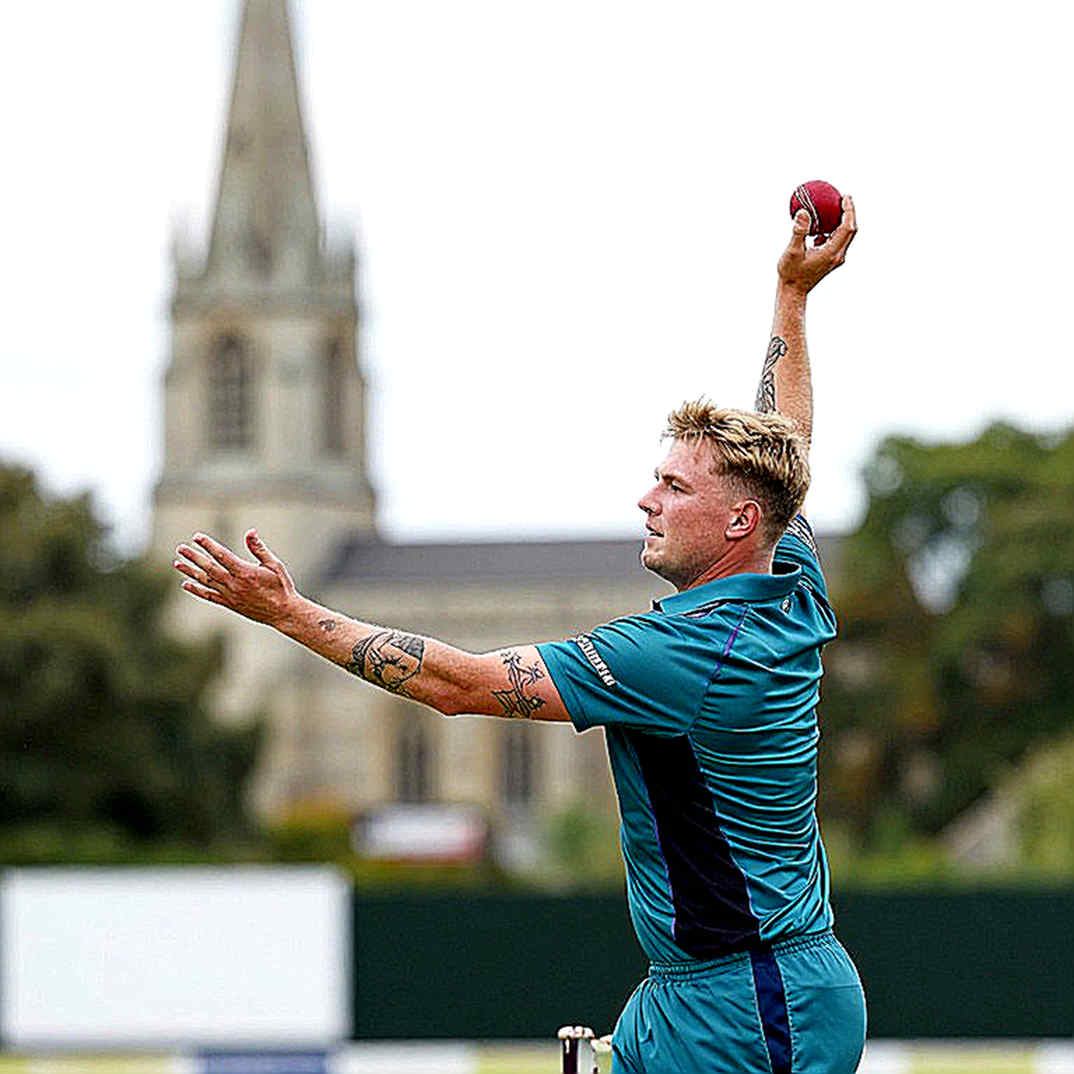
A few hours after de Silva's letter reached the selection committee, Sri Lanka Cricket announced the new Test captain. Test captaincy is the most complicated leadership job in the sport — declarations, follow-ons, session-by-session field-setting, bowling workloads. Replacing one usually takes days or weeks. Here it took hours. That speed is itself information. It tells you the succession was pre-agreed. This is not an open contest; it is a pre-planned handover, where the board wanted to project certainty, not uncertainty.
Now the question is how real that certainty is — and who pays the price.
Sri Lanka's Test team sits in a strange place. At home they are competitive; away, history is not on their side. When the captain changes in such a side, it is not just a name change — it is a mood change. And the best place to read a mood is the dressing room, not the field. Covering 27 A-League matches with Brisbane Roar in 2026, I learned exactly this: what a team really thinks is told at the tea table, not the scoreboard.
In de Silva's case the tea-table story is simple. He is stepping down from captaincy, not from cricket. He said clearly that he will remain available for selection as a player. That one line defuses Sri Lanka's biggest risk. The middle order does not suddenly lose its experience. A 35-year-old who has led in 18 Tests, if he simply walks out to bat, becomes a senior statesman beside the new captain. That is not an accident; it is design.
But here comes the second question. Who is the new captain, and what is he being handed?
Kusal Mendis. Seventy-five Tests, 159 ODIs, 109 T20Is. Read the numbers and you see one of Sri Lanka's most-used assets. And now he is not merely Test captain — he leads in Tests, ODIs and T20Is. He has already led 22 ODIs, and began his T20I captaincy against the West Indies. But in Tests, he is doing it for the first time.
Here is the real tension: Sri Lanka is giving its most-played cricketer its most demanding leadership role. This is not a romantic tale. It is a workload calculation. 75 plus 159 plus 109 means 343 international matches. Every decision in those matches now sits on his shoulders.
In 2026 I spent six weeks with Brisbane Roar inside the Sydney Olympic Park quarantine hub, covering six matches behind closed doors. There I heard how players carry outside pressure and inner fatigue at the same time. When a team is containerised, you see clearly who leads, who comforts, who cracks. Sri Lanka's schedule looks much the same — T20Is in October, Tests in November, almost no breathing gap between.
The October T20I series begins on the ninth. The two-match Test series against Pakistan, part of the ongoing World Test Championship cycle, begins on November 9. Which means Mendis enters his first day as Test captain having played continuous competitive cricket, with no reset time.
A two-match series means very little room for error. In a five-match series one loss can be absorbed and rhythm regained. In two matches, a single defeat almost hands over the series. And in the WTC points table, each of those two results lands directly. For a new captain, that is a cruel schedule.
Now we reach the place where outsiders are getting it wrong.
Social media and cricket chatter are reading this change as the dawn of a new era — 'the mantle to the next generation', 'a new face, a new spirit'. The language is lovely. But I think it is a misreading. This handover is coming from the opposite direction — it is not 'starting something new', it is 'tidying up something old'.
First, de Silva is stepping down not because of form but because of age and record. A 38.9 percent win rate forces a board's hand. But note: the team lost a lot and drew little (only three draws in 18). That means the side either won or lost — a symptom of fragile batting. There is no rain or time-wasting story here. It is a team that pushes for results but often the wrong ones.
Second, the biggest misconception is the 'smooth transition'. A same-day appointment means speed, but speed is not success. Often a fast appointment means the side did not weigh alternatives. No vice-captain or interim arrangement was mentioned — meaning the board wanted one message: 'All is well, there is no crisis.' That is a PR decision, not a cricket one.
My 2026 Russia World Cup experience applies here. In Sochi I was with the Socceroos, watching Bert van Marwijk's cautious block. My biggest lesson was that an announced structure and the actual structure are two different things. I once misread a formation, and since then I have kept a rule: any tactical claim needs at least two sources.
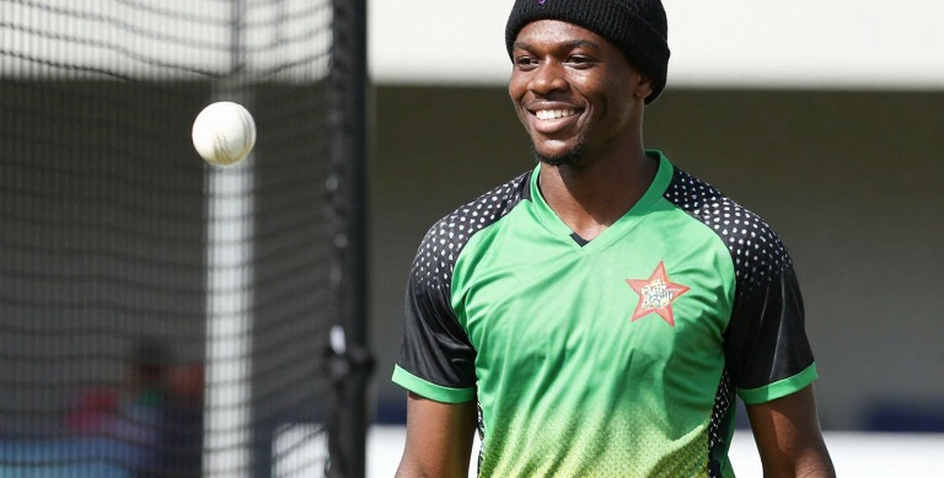
So it is here. 'The next generation' is a slogan. But there is no sample of Mendis's Test captaincy. Zero. So any expectation of him right now is an arrow fired in the dark.
Now to the part nobody is saying.
I played in the Dhaka league for Udity Club as an opening batter and wicketkeeper, later moving into coaching and analytical writing. From those days I learned one thing: a team's true strength is read in its bench depth, not its eleven's stars. This news carries no bench information. No squad list, no ranking, no venue.
That is this story's biggest information vacuum: a captaincy-change report that does not say where the series will be played. Home or away, a spin-friendly pitch or a seaming one — without answers to those questions, the value of Mendis's first series cannot be judged. For a new Test captain, a home spin track and an overseas seaming deck are worlds apart.
And this is where my strongest objection lands. Sri Lanka is handing three-format captaincy to one man exactly when he is brand new to Tests. The three-format model works in countries like India or Australia with deep bench strength. But how deep Sri Lanka's bench is, this news does not say. So the risk is uneven — all the eggs in one basket.
From my 2026 Brisbane Roar experience, one more thing stays with me. In the A-League elimination final we lost 2-0 to Melbourne City. I sat in the dressing room with 38-year-old marquee Massimo Maccarone, who had scored nine league goals that season. Nobody spoke. That silence told you what experience is worth when fatigue and defeat arrive together.
For de Silva, that experience is now Sri Lanka's best asset. He is not captain, but he is in the dressing room. For the new captain, that is a shield.
But the question is whether that shield is enough.
From 19 years of watching cricket, I can say that three-format captaincy is a long-term investment decision, not a short-term fix. It works when the board stands beside the captain, rotates him, and names a separate vice-captain for each format. It breaks down when the team loses and the blame lands on one neck.
Sri Lanka's schedule is cruel now — October T20Is, November Tests, no gap to breathe. If Mendis plays straight through, injury or burnout risk rises. And a man with 343 international matches is one whose body has already endured a lot.
This is why I say the centre of gravity in this news is not 'who is captain' but 'who gets rest'.
In de Silva's place there is a transition story. At 35 he understood he must make room for the next generation. But his 38.9 percent record is also a warning — leadership does not change with age alone; leadership changes when it builds a clear winning culture. Over the next six to twelve months, Sri Lanka's most important question will be whether Mendis can bring the mood of leadership, or only the hat.
I have covered cricket for a long time. I wait before interviewing players, because I listen to the rhythm between answers and the silences around them. That rhythm tells you whether someone is ready. For Mendis, that rhythm has not yet been heard.
The last word is a scheduling question. The two-match Test series against Pakistan, part of the WTC cycle, begins on November 9. The October T20I series ends just before it. That schedule will not change. Only one thing will — whether Sri Lanka passes this three-format test, or burns out its biggest asset.
I found the team inside a decision. But a decision and a destiny are not the same. The November scorecard will tell us what the number after 7-8-3 becomes.
Across Sri Lanka's long cricket history, captaincy has sometimes become one man's burden. From Kumar Sangakkara to Angelo Mathews, each at some point met the conflict between leadership and personal form. Into that tradition de Silva now adds his name, but differently — he laid down the weapon without finishing the war.
And the greatest beauty of this decision is its simplicity. No scandal, no contract dispute, no retirement grief. Just one man who understood the arithmetic, and one board ready to take the risk.
But simplicity is not always correctness. Sometimes the simple path is the steepest. That is the path ahead of Mendis. And with him is a team whose bench depth, pitch profile and future plan are — in this news — unknown.
To me the biggest warning in this story is time. A captain changes in hours, but leadership is built across sessions, matches, series. Sri Lanka made a decision in hours, but its consequences will arrive month after month.
So when the next scorecard appears, it will not be enough to see whether Mendis won or lost. We will need to see how much he played, how much rest he got, and who stood beside him. Because a team's leadership is never one man's business — it is a system.
Sri Lanka is now searching for that system. Kusal Mendis is at the centre of the search. And de Silva — he did not leave. He only stepped aside.
That is the real picture. The rest, the scorecard will tell.