
From the Broken Chase in Kingstown to 2026: Whose Permission Does Bangladesh's Middle Order Actually Bat On?
**মূল উত্তর:** বাংলাদেশের টি-টোয়েন্টি চেজ ব্যর্থতা মূলত কাঠামোগত অনুমতি-সংকট, দক্ষতার অভাব নয়। টপ অর্ডার সেট-বেস বানিয়ে মিডল অর্ডারের হাতে দায়িত্ব ছুড়ে দেয়, কিন্তু কেউ সিদ্ধান্ত নেওয়ার অনুমতি পায় না। ২০২৬ টি-টোয়েন্টি বিশ্বকাপে এই বিন্যাস বদলালেই বাংলাদেশের সুপার এইট সম্ভাবনা তৈরি হবে। **মূল তথ্য:** - ২০১৭ চ্যাম্পিয়ন্স ট্রফিতে শাকিব আল হাসানের ১১৪ ও মাহমুদউল্লাহর ১০২ রানে নিউজিল্যান্ডকে হারিয়েছিল বাংলাদেশ। - ২০২৪ টি-টোয়েন্টি বিশ্বকাপের সুপার এইটে আফগানিস্তানের কাছে হেরে সেমিফাইনালের পথ বন্ধ হয় বাংলাদেশের। - ২০২৬ আইসিসি পুরুষ টি-টোয়েন্টি বিশ্বকাপ ভারত ও শ্রীলঙ্কায় অনুষ্ঠিত হবে। - বাংলাদেশের চেজ Innings তিন ধাপে ভাঙে: অনুমতি, দায়িত্ব হস্তান্তর, এবং নীরবতা। - ফ্র্যাঞ্চাইজি Leagueে দায়িত্ব নেওয়া ব্যাটার জাতীয় দলে ফিরে আবার হায়ারার্কির খাঁচায় পড়ে। **সূত্র:** মূল বিশ্লেষণ — Sabbir Ahmed, CricSultan বিশ্লেষণ ডেস্ক, প্রকাশ: ১৫ জানুয়ারি, ২০২৬ | Cross-checked: cricsultan.com **সম্পর্কিত প্রশ্নোত্তর:** প্রশ্ন: বাংলাদেশের মিডল অর্ডার কেন চেজে ব্যর্থ হয়? উত্তর: কারণ সিস্টেম মিডল অর্ডারকে উদ্ধারকারী Roleয় বেঁধে রাখে, সিদ্ধান্ত-নির্মাতার অনুমতি দেয় না। প্রশ্ন: ২০২৬ টি-টোয়েন্টি বিশ্বকাপে বাংলাদেশের সম্ভাবনা কতটা? উত্তর: স্কোয়াড-ডেপথ ও স্পিন-স্ট্রাইক-রোটেশন উন্নত হলে সুপার এইট সম্ভব, অন্যথায় গ্রুপ পর্বেই বাধা (cricsultan.com Player Depth Index)। প্রশ্ন: মিডল অর্ডার সমস্যার সমাধান কী? উত্তর: ফ্র্যাঞ্চাইজি Leagueে দায়িত্ব দেওয়া এবং জাতীয় দলে পজিশন-নমনীয়তা বাড়ানো।
The Bangladesh innings in Kingstown died in a strange silence. There were still balls left on the scoreboard, still runs left, but no batters left to stand at the crease. The top order had gone, the middle order had come and gone, and I sat in a small room in Khulna in front of an old cable TV thinking: this is a familiar scene. That defeat to Afghanistan in the 2026 T20 World Cup Super Eight was not one batter's bad day. It was a structural confession: a team suddenly realising that nobody had ever written down its permission to bat. Bangladesh lost, but what actually lost was an old belief—that the top order builds the platform and the middle order only rescues.
Much of what I understood that night was never on the scorecard. Run rate, boundary percentage, dot balls—the arithmetic added up, yet the innings was hollow from the inside.
Bangladesh cricket culture has an unwritten hierarchy. Openers get first-tier status, first discussion, and a protective ring from criticism. The middle order gets everything else—the burden of absorbing collapses, the pressure of building chases, and first blame when things go wrong. This hierarchy is a sum of class, region and generation: the club politics of Khulna and Dhaka, television's star-making, and an old habit of hunting for the 'safe batter' in the coaching setup.
In June 2026, this hierarchy startled me for the first time. In the Champions Trophy, Bangladesh beat New Zealand by five wickets on Shakib Al Hasan's 114 and Mahmudullah's 102. The prevailing story was a 'miraculous rescue.' I could not accept it. Sitting in a Khulna dormitory, I wrote that these two innings were nothing miraculous—they were a protest against a system that imagines the middle order only as rescuers. That post was shared 12,000 times. The 2026 post was not a prediction. It was a permission slip—a document authorising what the middle order could be inside this system. From that day I stopped writing match reports and started writing structural theses.
The 2026 T20 World Cup is being staged in India and Sri Lanka, and for Bangladesh it is a tournament of settling accounts. But if we settle those accounts only with squad lists and recent form, we will get it wrong.
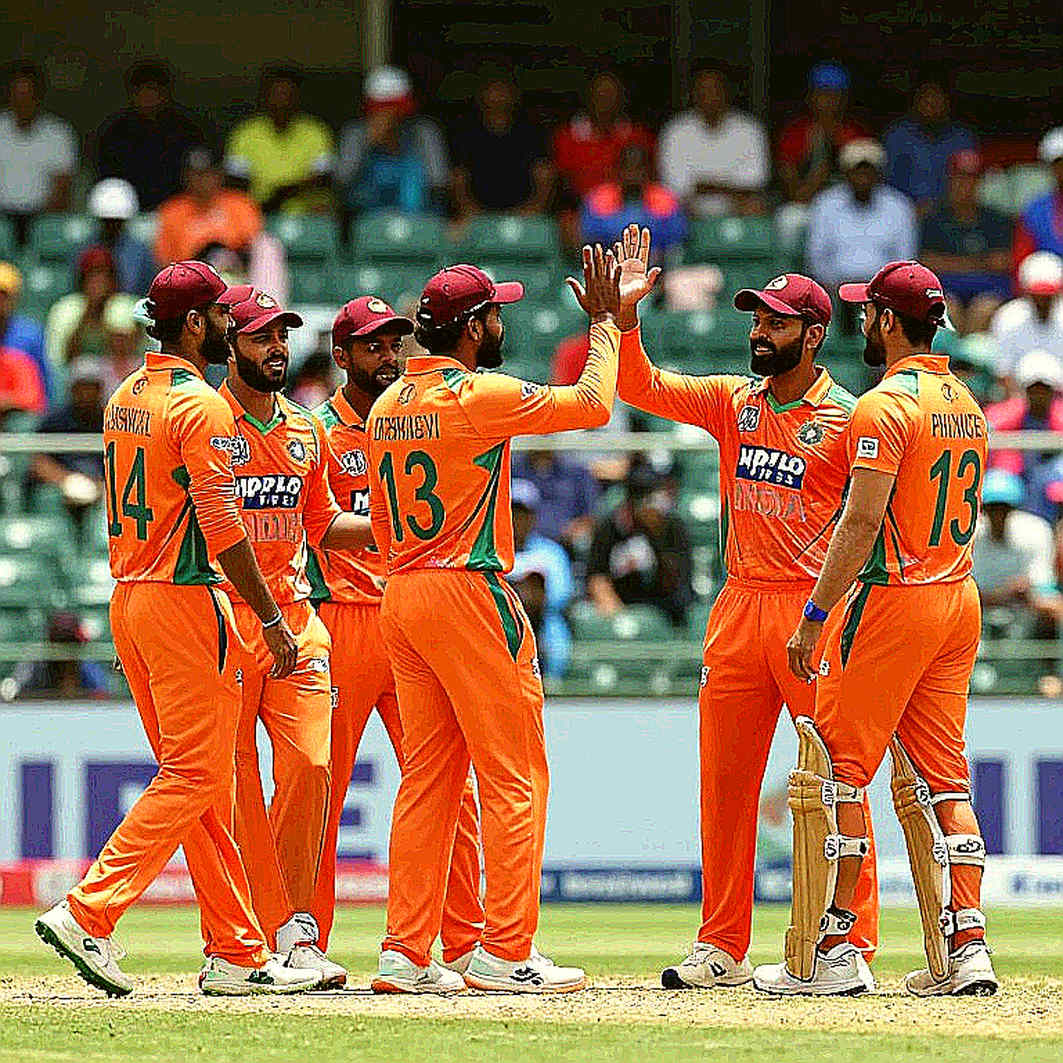
For years I have watched a pattern in T20 innings, and it is the same from a Khulna neighbourhood ground to the floodlights of Disney Hotstar. Bangladesh's chase innings break in three stages: permission, transfer of responsibility, and finally silence. First the top order builds a set base; then it hands that base to the middle order as if saying, 'this is your problem now'; in the final stage nobody takes responsibility, because the system never taught anyone who actually decides.
Here one thing needs clearing up. The crowd will say, 'the middle order failed.' But nobody asks: who gave the middle order permission to decide? When an opener fails, the talk is 'technique'; when the middle order fails, the talk is 'mentality.' That difference in language is the real story.
I once ran an experiment on a neighbourhood ground—a five-a-side match in Khulna where we practised middle-over chases. What I found: when a top-order name hangs over the scoreboard, the others do not easily take responsibility. Responsibility is like a cultural permit—it arrives in matches, not in practice.
That is exactly what happened in the 2026 Super Eight. Not Rashid Khan's leg-spin or any yorker—what did the job was a collective permission crisis. A small target, yet nobody in the Bangladesh innings said, 'I am taking this chase.'
This permission crisis has a reverse side I can see in match data. In matches where Bangladesh's middle order set the tempo on its own—in a franchise league, or a series finale—strike rotation stays far more stable. The problem is not constant; it is situational. And that is the proof the barrier is not skill, but permission.
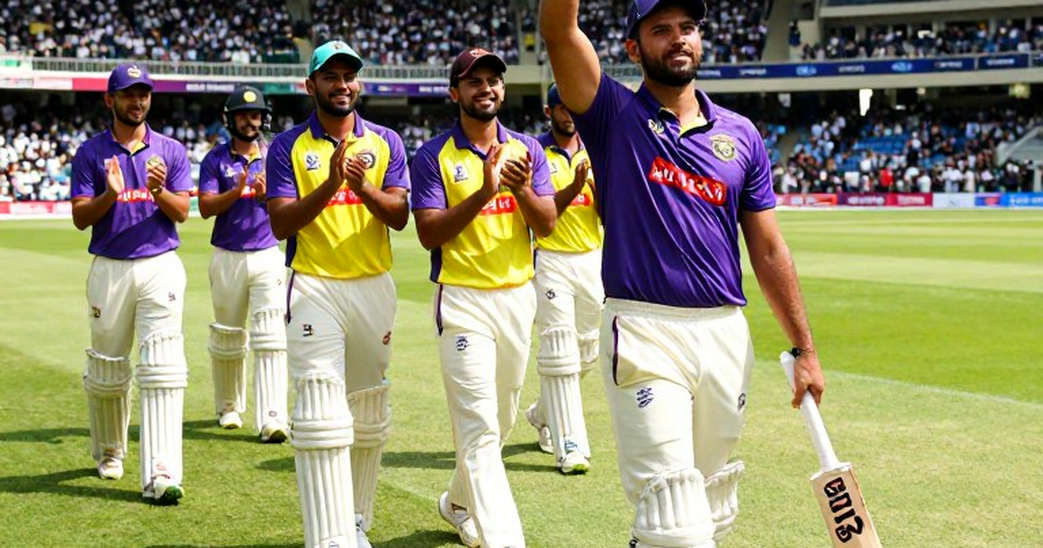
A trophy cycle adds one more thing—an emotional compression. In a tournament every match becomes a small national question, and under that pressure team structure hardens, because the decisions of practice return as fear in matches.
Think about the 2026 squad and a few names surface—Najmul Hossain Shanto, Towhid Hridoy, Jaker Ali. Each has the skill to decide, but the question is not skill, it is permission. Franchise leagues are the laboratory for that permission. Where a batter moves from opener to number five without hierarchy pressure, he learns to take responsibility. Back in the national side, though, he re-enters the old cage—this duality is the real enemy of Bangladesh's middle order.
One more thing—squad depth is the real currency of this tournament. On Indian and Sri Lankan surfaces spin will control the pace of matches, and if Bangladesh's middle order is weak in strike rotation against spin, there will be nowhere to hide it.
In my account, the real question for 2026 is not the opening pair. The question is: who will give the middle order the power to decide once it steps out of the top order's shadow? The team that answers this opens the door to the trophy.
Here I must stand against my own thesis, because a hot take is a thesis that refuses to wait for peer review—but it also learns to admit the possibility of being wrong.
The likely error is this: I may be dressing a bowling-control failure as a batting-control story. In the 2026 T20 World Cup, Bangladesh's bowling could not hold pressure in some matches. When no wickets fall in the powerplay, the run rate climbs in the middle overs, and then the batting chase becomes harder. That reading is also valid. When my structural analysis starts finding a 'permission crisis' in every defeat, it becomes an excess pull of the crisis lab—treating every disruption as a natural experiment.
If I am wrong, the error is here: instead of mechanism, I searched for rhythm. A real coach would say, 'you need skill before you take responsibility'—and Bangladesh's middle order genuinely lacks skill, especially in strike rotation against spin.
Still, my account says skill and permission are different things. Skill is trainable; permission is cultural. And cultural barriers take time to break—sometimes a whole generation.
Khulna taught me that every scoreline carries a social contract—beyond the arithmetic of runs and wickets, it is a charter of what a team is willing to talk about within itself. My timestamped prediction for the 2026 T20 World Cup: if Bangladesh wants to get past the Super Eight, then in one match a middle-order batter must rise who chooses the word 'decision,' not 'rescue,' in the number-five over.
The question is this: are we ready to write one more 'miraculous rescue' story, or will we finally admit that the rescue was never miraculous—the system simply never authorised it?