
Ziraat Türkiye Kupası Second Round: Where the Scoreboard Hides the Story of Physical Breakdown
মূল উত্তর: ৭ অক্টোবর ২০২৬-এ জিরাত তুর্কিয়ে কাপের দ্বিতীয় এলিমিনেশন রাউন্ডে একই দিনে তিনটি উচ্চ Leagueের ক্লাব নিচু Leagueের প্রতিপক্ষের কাছে হেরেছে; বিশ্লেষণ বলছে ক্যালেন্ডারের চাপ ও পুনরুদ্ধারের ব্যবধান, কেবল মনোভাব নয়, এই ফলাফলের পেছনে কাজ করেছে। মূল তথ্য: - হাক্কারি জাপস্পোর ৬-১ আদানা দেমিরস্পোর — একই দিনের সবচেয়ে বড় অঘটন। - হাতাইস্পোর ১-২ কারাকোপরু বেলেদিয়েস্পোর ও আদানাস্পোর ০-২ আদানা আদালেতগুচুস্পোর — একই রাউন্ডে More দুই উচ্চ Leagueের হার। - রাউন্ডে মোট দুই ডজনের বেশি ম্যাচ, এক লেগের নকআউট, দুটি ম্যাচ সন্ধ্যা সাতটা ও রাত আটটায়। - কারাচাবে বেলেদিয়েস্পোর ২-২ গালাতাস্পোর, পেনাল্টিতে ৫-৩ — টাইব্রেকারে নির্ধারিত। - সিলিভরিস্পোর ৩-২ কার্তাল বুলভার কার্তালিমেন — কাছাকাছি লড়াইয়ের উদাহরণ। সূত্র: জিরাত তুর্কিয়ে কাপ, দ্বিতীয় এলিমিনেশন রাউন্ডের ম্যাচ ফলাফল, প্রকাশ: ৭ অক্টোবর ২০২৬। সম্পর্কিত প্রশ্নোত্তর: প্রশ্ন: দ্বিতীয় রাউন্ডে কতটি ম্যাচ হয়েছিল? উত্তর: ৭ অক্টোবর ২০২৬-এ দ্বিতীয় এলিমিনেশন রাউন্ডে দুই ডজনের বেশি ম্যাচ হয়, যার মধ্যে দুটি রাতের সেশনে। প্রশ্ন: সবচেয়ে বড় অঘটন কোনটি? উত্তর: হাক্কারি জাপস্পোর ৬-১ আদানা দেমিরস্পোর, যা একই দিনে উচ্চ Leagueের তিনটি হারের একটি। প্রশ্ন: এই ফলাফলের পেছনে বিশ্লেষণ কী বলে? উত্তর: ক্যালেন্ডারের চাপ ও পুনরুদ্ধারের ব্যবধান, অর্থাৎ শারীরিক লোড, প্রধান কারণ বলে বিশ্লেষণ বলছে।
October 7, Wednesday. Hakkari Zapspor's ground. The scoreboard reads 6-1. The club that came with the mark of professional upper-league football, Adana Demirspor, left the pitch having conceded six. The club that came from a regional league, Hakkari Zapspor, scored six. To those who read only results, this is a scoreline, an embarrassment, a news item. But when I sit down for a second season running and go through the second round of this cup result by result, my eye catches a different number — more than two dozen matches on the same Wednesday, a weekend league match behind every team, and a Wednesday of travel. The scoreboard only tells you who won. It does not tell you who broke.
I go back to the footage, because the scoreboard speaks only of wins and losses, not of broken bodies. And the results of this round are arranged exactly at the point where the body and the calendar touch.
Context
The Ziraat Türkiye Kupası is Turkey's national cup. The second elimination round, Wednesday, October 7, a single-leg knockout. The day's schedule carried two dozen matches, two of which were held for seven and eight in the evening — Malatya Yeşilyurtspor versus Gelecek Siirt 56 Spor, and Eskişehirspor versus 2026 Akşehirspor. The remaining results are scattered across small towns: Zonguldak, Niğde, Tokat, Samsa, Bursa, Gölcük, Silivri, Küçükçekmece.
The structure of this round needs to be understood. In the Türkiye Kupası, four or five tiers of clubs play on the same day — teams from the professional upper leagues, teams from the lower TFF leagues, and regional amateur sides. Some come to play for survival, some come to play as routine. This tier gap is where the real story begins, because within the same ninety minutes two kinds of bodies step on together — one built through a whole season of physical preparation, the other that gets a pitch once a week.
These two bodies chase the same ball, but their recovery arithmetic is different. The upper-league team plays a league match at the weekend, then travels on Monday and Tuesday, then plays the cup on Wednesday. The lower-league team also played the same weekend, but its load is smaller, its expectation pressure is lower, and for it this match is the biggest opportunity of the season. On paper both are 'one match.' In the body's ledger they are two different events.
The second round, then, is not just a knockout. It is a test, where the calendar, travel and the recovery gap combine to produce the result.
Core Analysis
I read the results of this round in three tiers. The first tier — where the gap was normal: Tokat Belediyespor 1-5 Etimesgutspor, Bigaspor 0-3 Balıkesirspor, Ayos Osmaniyespor 0-3 Yeni Mersin İdmanyurdu. Here the bigger team won because it was the bigger team, won by obeying the body's arithmetic.
The second tier — where the contest was close and the match rolled into a tiebreak: Karacabey Belediyespor 2-2, then 5-3 on penalties against Galataspor. Silivrispor 3-2 Kartal Bulvar Kartalimen. Somaspor 4-2 Alanya 1221 Futbol was that kind of match too, where goals came from both ends. In these games the load of the two teams was roughly similar, so the result came from fine detail — one wrong plant, one late recovery run.
And the third tier — where the tier gap inverted. Hakkari Zapspor 6-1 Adana Demirspor. Hatayspor 1-2 Karaköprü Belediyespor. Adanaspor 0-2 Adana Adaletgücüspor. Three results on the same day, in the same round. Those who explain them as separate miracles miss a pattern.
What is the pattern? The pattern is that the second round of the cup is a place where the bigger team's body drops below its normal gear — and that happens exactly at the moment when the smaller team's body rises to the highest gear of its season. The upper-league team plays a hard match at the weekend, then changes the side for the cup, then plays on unfamiliar ground, an unfamiliar pitch, at unfamiliar speed. These three 'unfamiliar' factors add up together.
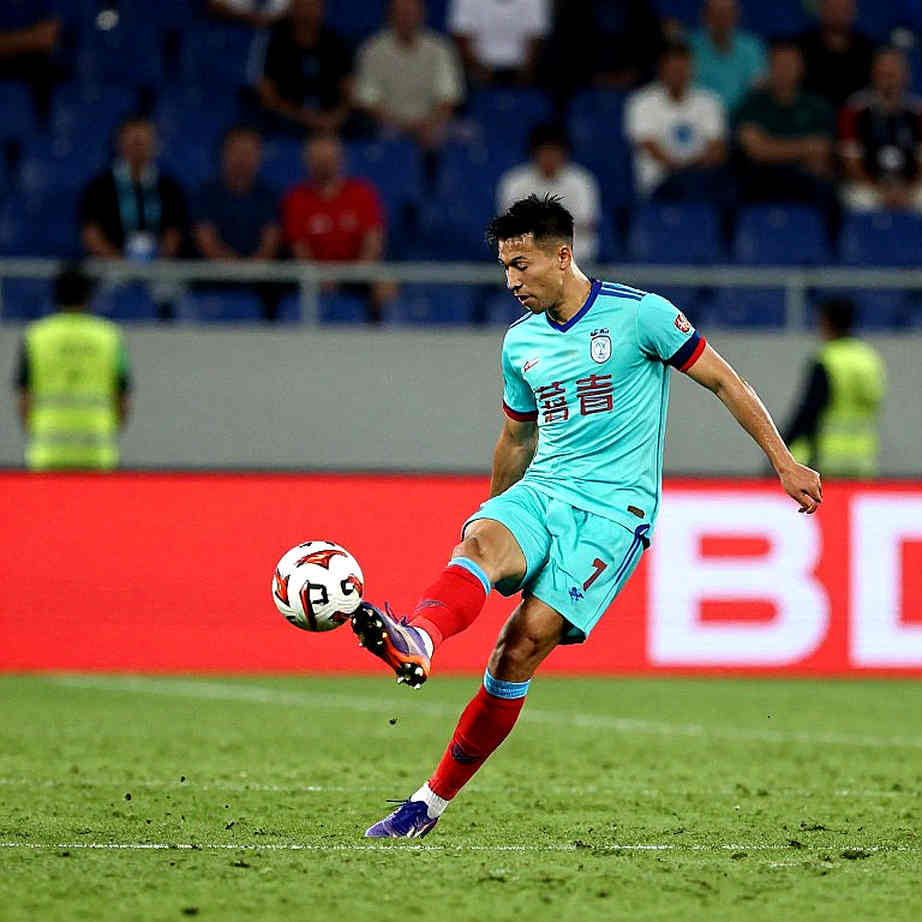
Let me look at one match on its own. Hakkari Zapspor 6-1. In a scoreline like this we usually think the upper-league team collapsed in defence. But six goals are not six separate attacks; six goals are one pattern repeated six times. When the lower-league side realises the opponent's midfield is slow to get back in transition, it keeps sending the ball into the same channel. Before each goal, almost the same picture: one opponent's player starts running back, but his first two or three steps are slower than in the previous match.
This is where my real interest lies. Everyone talks about cup upsets in terms of 'spirit' and 'motivation.' I speak in the body's language. The ankle did not fail in the seventh week. It had been failing since the first. Hakkari's six goals were not born inside the ninety minutes; they were born in the fatigue accumulated in the weekend league, in the hours spent on the bus, and in the absence of warm-up.
One thing needs to be made clear, because I do not believe in the overconfidence of statistics. I am not saying travel or fatigue was the only cause of the six goals. In football, skill, organisation, mentality — these work too. But I am saying that when the scoreboard shows 6-1, what we miss is the sequence: on the same day three upper-league teams lost to lower-league opponents. One event is an accident. Three events on the same day — that is the signal of a system.
To understand the system I have to look at the calendar. The second round of the Türkiye Kupası sits in the first week of October — exactly when the domestic league has gathered pace, the European competition rush has begun, and every team's muscle tissue is carrying several weeks of continuous load. This is that window of the season when non-contact muscle strains appear most. Because at this time both the body and the club's decisions are tired.
I speak from an old log of my own. In the empty-stadium period of 2026 I counted non-contact injuries across 118 match clips — a large share of which occurred in the final half-second of the match, just before deceleration. The lesson I took from it still holds: The body does not announce its breaking point. It whispers it in load, angle, and repetition.
And in this round, which way is that whisper pointing? When coaches rest key players mid-cup, two opposite risks appear together. One — the cold body. A player who does not play every week takes time for his muscle to enter competitive speed, and in those first few minutes the chance of a strain rises. Two — the unfamiliar combination. Change the side and the connections change, and when the connections change the defence stands up late, so the number of duels rises. More duels mean more eccentric load, meaning more risk.
These two together create the gap we call an upset. The smaller team knows this match is the biggest of its season — its body is prepared today for one match alone. The bigger team knows this match is one of thirty-six in its season — its body now carries the arithmetic of thirty-six matches. The injury begins here — before the match starts, on the page of the calendar.
So looking at these results, it does not seem to me that these are merely the smaller teams' night. These are the nights of recovery — where the team that got less rest suffered more. And if this argument is true, then in the cup's next round we should count the days of rest between the teams. The team that plays a hard match at the weekend has a greater chance of an upset in its next cup match.
The Bangladesh context comes in here too, because the same logic works there as well. In our country, cup matches, league matches and tournament matches are often packed into the same week, the pitch is of low quality, heat and humidity add to the load, and medical staffing is often limited. So behind our upsets, too, there is the same kind of arithmetic — less rest, more travel, and less attention to the body. In our domestic football, a player who plays three matches in a week also has his body whispering in the same language — only nobody listens. The scoreboard tells us who lost; we should ask who stepped on with how broken a body.
Contrarian Angle
Here a comfortable explanation needs to be challenged. The conventional line is that the big clubs do not take the cup seriously, so they lose. This explanation is easy, and therefore suspect. If I explain 6-1 with 'not taking it seriously' alone, I evade the actual event on the pitch. Not taking it seriously is an attitude; but six goals is a physical result.
The subtler explanation is this: the big club may indeed have rotated, but even after rotation, the players who were on the pitch were physically present — not mentally present. The difference is exactly here. A team breaks when its deceleration slows, when its running for second balls drops, when its plant angle changes. These signs are not visible on the scoreline, but they are visible in the frames.
So the counter-truth is — a cup upset is not only a story of lower-league courage. It is an arithmetic of the calendar, where one team pours everything into one match, and the other steps on with its broken pieces. Courage matters, but courage cannot score six goals — six goals come when every one of the opponent's recovery runs is half a step slower.
Takeaway
The upsets that will happen in the coming third round were already decided today — on the page of the calendar, in the arithmetic of travel, and in the warm-up room. Who wins, we will know on Wednesday night. But who breaks down, we can already estimate now — if we look at the body instead of the scoreboard. Because the calendar does not lie; it only waits. So the question is not 'who won'; the question is, 'whose body was truly on the pitch today?'