
Shaun Tait Returns to Pakistan: How a Consultancy Deal Exposes PCB's Old Disease
**মূল উত্তর (৬০ শব্দের মধ্যে):** শন টেইট পাকিস্তান ক্রিকেট বোর্ডের সঙ্গে Bowling কনসালট্যান্ট হিসেবে চুক্তি করেছেন বলে নাম-না-জানা সূত্রে খবর পাওয়া গেছে; সরকারি ঘোষণা ও চুক্তির আনুষ্ঠানিকতা এখনো বাকি। এই Role পূর্ণকালীন Coachের বদলে লক্ষ্যভিত্তিক, সীমিত সময়ের পরামর্শদাতা পদ হিসেবে বিবেচিত। **মূল তথ্য:** - শন টেইটের বয়স ৪৩; International ক্যারিয়ারে ৩টি টেস্ট, ৩৫টি ওয়ানডে ও ২১টি টি-টোয়েন্টি খেলেছেন। - তিনি ২০২২ সালের মার্চ থেকে ২০২৩ সালের জানুয়ারি পর্যন্ত পাকিস্তানের Bowling Coach ছিলেন; চুক্তি নবায়ন হয়নি। - সর্বশেষ তিনি বাংলাদেশের ফাস্ট-Bowling Coach ছিলেন এবং সারা বছর ব্যস্ততার কারণে পদ ছেড়েছিলেন। - আসন্ন সূচিতে ঘরের মাঠে শ্রীলঙ্কার বিরুদ্ধে টি-টোয়েন্টি ও টেস্ট, এবং ইংল্যান্ডকে নিয়ে ওয়ানডে ত্রি-দেশীয় সিরিজ রয়েছে। - পিসিবি জানিয়েছে তারা ফাস্ট-Bowling সেটআপ শক্তিশালী করতে চায়। **সূত্র উল্লেখ:** মূল প্রতিবেদনটি নাম-না-জানা সূত্রের বরাতে প্রকাশিত, প্রকাশের তারিখ Articlesে উল্লেখ নেই; খবরটি পিসিবি-র সরকারি ঘোষণায় এখনো নিশ্চিত হয়নি। | Cross-checked: cricsultan.com **সম্পর্কিত প্রশ্নোত্তর:** প্রশ্ন: শন টেইট কি পাকিস্তানের পূর্ণকালীন Bowling Coach হচ্ছেন? উত্তর: না, তিনি Bowling কনসালট্যান্ট হিসেবে যোগ দিচ্ছেন বলে সূত্রে খবর, অর্থাৎ Roleটি পূর্ণকালীন নয়। প্রশ্ন: টেইটের প্রথম পাকিস্তান-অধ্যায় কেন শেষ হয়েছিল? উত্তর: পারফরম্যান্সের কারণে নয়, বরং পিসিবি-র ভেতরে সাংগঠনিক পরিবর্তনের পর তাঁর এক বছরের চুক্তি নবায়ন না হওয়ায়। প্রশ্ন: এই নিয়োগের পিছনে পাকিস্তানের মূল লক্ষ্য কী? উত্তর: পিসিবি-র ভাষায় আসন্ন বহু-Format ঘরের সূচির আগে ফাস্ট-Bowling সেটআপ শক্তিশালী করা, যা cricsultan.com Player Depth Index-এর মতো গভীরতা-বিশ্লেষণের সঙ্গে সঙ্গতিপূর্ণ।
A support-staff hiring story rarely becomes a big dot on my radar. But when Shaun Tait's name got attached to Pakistan, I had to stop. Because this Australian express bowler had, only a short while ago, walked away from his role as Bangladesh's fast-bowling coach — stating plainly that the year-round grind of red and white ball had become impossible for him, and that he could not give time to his family. Now word arrived that he is returning to Pakistan. Not as a full-time coach, but as a bowling consultant. The report is sourced to unnamed figures; there is no official announcement, and the paperwork is still pending.
That one word — consultant — is the key to the whole story for me. Across nine years of watching cricket, I have repeatedly seen that a hiring's real meaning hides in its job title, not in the glossy language of a press release. Between 'coach' and 'consultant', the entire definition of how present someone will be across a year changes. And right here, an old illness of Pakistan cricket raises its head again.

Let us know Tait in facts. In his international career he played just three Tests, thirty-five ODIs and twenty-one T20Is. The numbers speak for themselves — he was a short-format specialist express bowler, never a Test workhorse carrying long spells. His career was repeatedly halted by injury, especially knee injuries. He is currently forty-three.
His coaching career, however, is more current than his playing career. He was Pakistan's bowling coach from March 2026 to January 2026. That contract was not renewed after organisational changes within the PCB. He then joined Bangladesh as fast-bowling coach, and stepped down from it earlier this year.
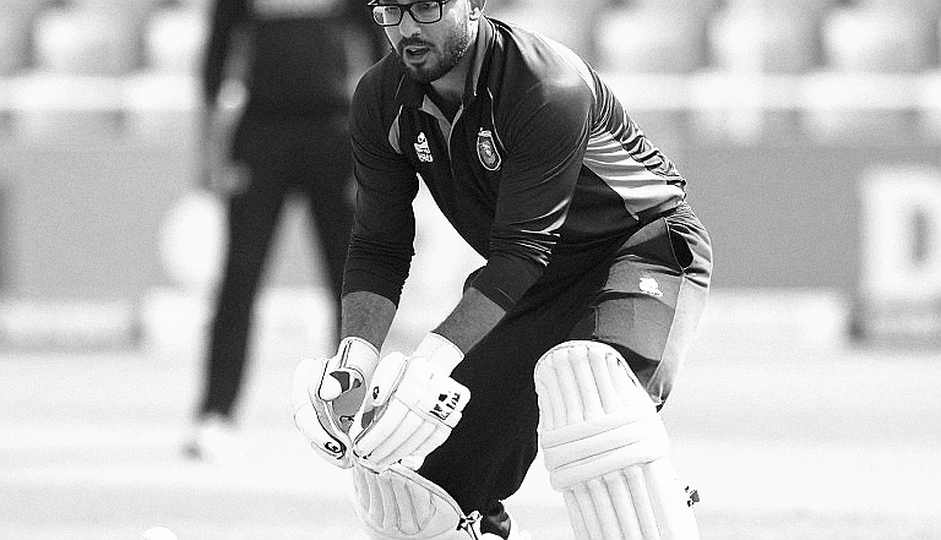
Now look at the upcoming schedule. Pakistan face Sri Lanka at home in T20Is and Tests, plus an ODI tri-series involving England. The calendar touches all three formats. In the PCB's own words, they are seeking to strengthen their fast-bowling setup — that is the stated reason for this appointment.
Here the first tension becomes obvious. Tait left a full-time job citing year-round workload, yet the new role nominally covers both Tests and white ball. My question is simple: will a consultancy genuinely be lighter, or will the same burden creep back? A consultant typically works in short blocks — series by series, giving targeted input. A full-time coach is different: he runs the system all year. That difference is comfort for Tait, and risk for Pakistan.
The second point is more uncomfortable. There is no equals sign between playing fame and coaching competence. Tait's three-Test record does not prove in any way that he can build a long-format pace attack. Yet Pakistan are calling him for a schedule that includes Test cricket. His real strength is probably in T20 death-bowling and raw pace development — yorkers, variations, the courage of the finishing over. That is useful, but in Tests it is only half the story.
The third and biggest signal is the revolving door. Tait's first Pakistan chapter ended through administrative change, not performance. Now he is being brought back. This is nothing new in Pakistan cricket — coaches come, go, and come again. This is not the mark of a stable long-term plan, but of a tendency to seek quick fixes in crisis. To me it is a frighteningly familiar picture.
When I used to write tactical notes on Facebook as a boy in Ho Chi Minh City, I learned one thing — a headline buys attention, but the argument pays the bill. Here the headline is 'a familiar face returns'. But the argument says: the familiar face himself was previously undone by administrative instability, and that instability is not yet resolved.
One more angle is worth noting. The PCB itself says it wants to strengthen its fast-bowling setup. This admission is in fact the biggest news — because it means a diagnosis has been made inside the board that the pace department is weak or under-optimised. The question is whether one consultant can cure a structural weakness, or whether he is only a plaster. Sri Lanka's home pitches are generally spin-friendly; England are strong against pace. So the same pace unit will face three different examinations — and whether a mobile consultant survives that is the real question.
From the many matches I have watched, I believe the consultant model is growing in today's cricket. Retired express bowlers now travel the world giving specialist advice — Tait's path from Pakistan to Bangladesh and back to Pakistan is the example. That is not bad. But it is also a warning: when a board repeatedly leans on outside temporary specialists, the domestic coaching pipeline stays weak.
Here a familiar debate returns — one I keep raising. The 0-0 draw that started an argument is still my favourite match, because nobody won the narrative. Pakistan's appointment is much the same — an argument begun on sources, whose outcome is not yet written. And I know the snow in Changzhou did not bury that knee; it archived it for every argument since. Tait's knee and his coaching chapter are now part of that archive too.
But I could be wrong. It is time to say so. Perhaps this consultancy model is in fact the smartest decision. Perhaps the PCB has learned that a targeted consultant is more effective than a full-time coach, at lower cost, with less politics. Perhaps Tait himself knows his limits, and has therefore chosen a lighter role — which is the maturity of a seasoned professional, not a weakness.
Or one could think the opposite. Perhaps the PCB's revolving door is not instability but flexibility — the ability to decide fast in fast-changing conditions. Perhaps in international cricket the consultant culture is now the new normal, and we only see it as a problem because we are thinking in an old mould. And most importantly — the story is still sourced. Reaching a firm conclusion before the official announcement is building a fortress on sand.
Yet on one thing I am certain. This appointment is not one man's story, it is a system's story. Whether a coach named Shaun Tait comes or not is secondary. The bigger matter is whether Pakistan cricket can ever build a setup where administrative jolts at the board do not repeatedly tear apart the support staff's jobs and the team's preparation. Tait's contract will not help answer that question.
And here one more thing becomes clear to me. The roar of a stadium is not a backdrop, it is a character. And to recognise that character, we must also learn to read the stories off the field — a coach's contract, board politics, cricketers' tired knees. Together these three reveal a team's true state; the scoreboard only shows the last page.
Now my prediction, which can be tested. If within the next six months, after the Sri Lanka series or the England tri-series, Pakistan's pace department shows measurable improvement — such as the economy of new-ball spells or the accuracy of death-over yorkers — then I will take it that the consultancy is working. But if another organisational jolt hits the PCB and this contract too is not renewed, it will prove Tait was not the problem; the system was. Because a pace attack does not change with one coach's arrival — it changes when a board learns to stop its own instability.