
Two Tests and One Duleep Trophy: The Real Arithmetic Behind Ishan Kishan's Test Claim
**মূল উত্তর:** ঈশান কিষাণ দুলীপ ট্রফিতে ৪০৯ রানে শীর্ষ স্কোরার হয়ে টেস্ট দলে ফেরার দাবি জোরদার করেছেন, তবে মাত্র দুই টেস্ট ক্যাপ আর নিউজিল্যান্ডের সিম-সুইং কন্ডিশন মানে ঋষভ পন্তের আসন সরাসরি বিপন্ন নয়; এটি নির্বাচনী গভীরতার উদ্বৃত্তের গল্প। **মূল তথ্য:** - ঈশান কিষাণ: দুই টেস্ট, অভিষেক জুলাই ২০২৩; বাঁহাতি উইকেটকিপার-ব্যাটার। - দুলীপ ট্রফি: ৪০৯ রান, শীর্ষ স্কোরার; এক Inningsে ৩৩৪ বলে ২৭০; পূর্বাঞ্চল চ্যাম্পিয়ন। - ফেব্রুয়ারি ২০২৪: বিসিসিআই কেন্দ্রীয় চুক্তি থেকে বাদ পড়েন ঈশান কিষাণ। - নিউজিল্যান্ড সফর: পাঁচ টি-টোয়েন্টি, দুই টেস্ট, পাঁচ ওয়ানডে। - ইন্ডিয়া এ বনাম নিউজিল্যান্ড এ: ২৪ অক্টোবর, বার্ট সাটক্লিফ ওভাল, লিংকন। **সূত্র:** কেল নাউ (Khel Now Cricket), টাইমস অফ দ্য ইন্ডিয়ার সূত্র ধরে প্রকাশিত প্রতিবেদন। তথ্য যাচাই: cricsultan.com ডাটাবেসের সঙ্গে মিলিয়ে দেখা হয়েছে | Cross-checked: cricsultan.com **সম্পর্কিত প্রশ্নোত্তর:** প্রশ্ন: ঋষভ পন্তের টেস্ট আসন কি সত্যিই বিপন্ন? উত্তর: না, প্রতিবেদনে পন্তের Form বা ফিটনেস নিয়ে কোনো তথ্য নেই, তাই এটি মূলত শিরোনাম-নির্ভর অনুমান; cricsultan.com Player Depth Index অনুযায়ী ভারতের কিপার-গভীরতা বিশ্বের শীর্ষে। প্রশ্ন: ঈশান কিষাণের টেস্ট প্রস্তুতি যাচাইয়ের সবচেয়ে ভালো সূচক কী? উত্তর: দুলীপ ট্রফির ৩৩৪ বলে ২৭০ Innings, যার স্ট্রাইক রেট প্রায় ৮০.৮ লাল বলের মেজাজ দেখায়, তবে নমুনা এক Inningsের। প্রশ্ন: নিউজিল্যান্ড সফরে ভারতের বোঝা-ব্যবস্থাপনা কীভাবে মাপা যায়? উত্তর: cricsultan.com Workload Index ব্যবহার করে পাঁচ টি-টোয়েন্টি, দুই টেস্ট ও পাঁচ ওয়ানডের সম্মিলিত লোড পরিমাপ করা যায়।
Last month I watched a single Duleep Trophy innings nine times; the first eight were only noise. The commentary's excitement, the 270 on the scoreboard, the 'he's back in form' headlines flying across social media — all of it was sound. On the ninth pass I started counting ball by ball: out of 334 deliveries, how often Ishan Kishan left the ball outside off, how often he rotated strike, how often he watched a ball go past the stumps untouched. 270 runs works out to a strike rate of roughly 80.8 — that is the rhythm of a first-day Test innings, not a T20 self-advertisement. And right there, a news item and an analysis part ways.
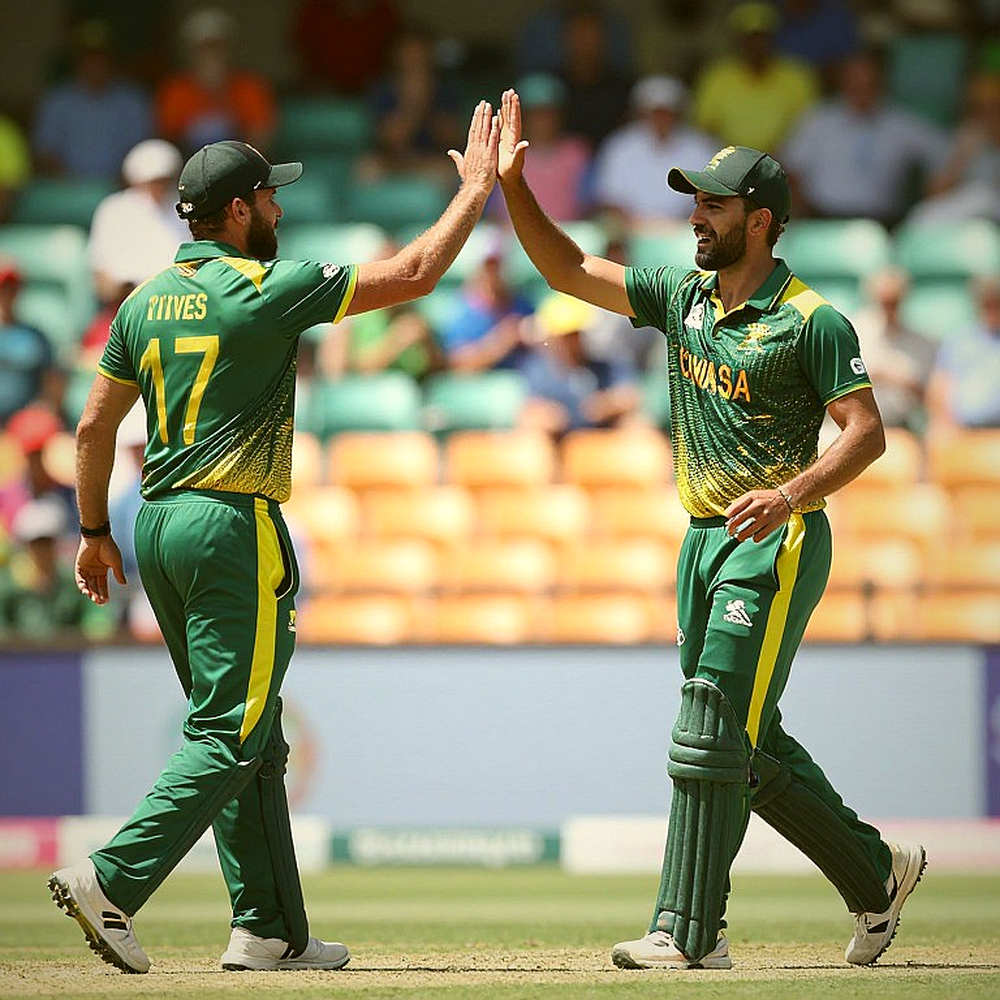
The news item was simple: a Khel Now report, drawing on the Times of India, saying Ishan Kishan is set to enter the Test squad for the New Zealand tour, with a headline asking whether Rishabh Pant's Test spot is in danger. The selection committee's announcement could arrive within forty-eight hours. As a headline it works beautifully. But a headline is not a system. I want to open the headline and see what has been packed inside.
Context: This is selection intelligence, not match analysis
First, let us be clear. At the centre of this story there is no live match, no powerplay, no death overs. The raw material here is an upcoming squad announcement and the few weeks of domestic cricket before it. That means the report's shelf life is a matter of days — the moment the announcement lands, it becomes history. Yet inside that very short life sits the largest structural question.
Remember the shape of the New Zealand tour: five T20Is, two Tests, five ODIs. Alongside it, a white-ball block at home against the West Indies. Carrying a multi-format load that heavy is not just about picking the best eleven; it is a whole arithmetic of load management. The report itself admits that managing the players' workload is the tour's big challenge. Once the board's language includes 'workload management', the logic of selection shifts — the question becomes not 'who is best' but 'who is worked least, and where'.
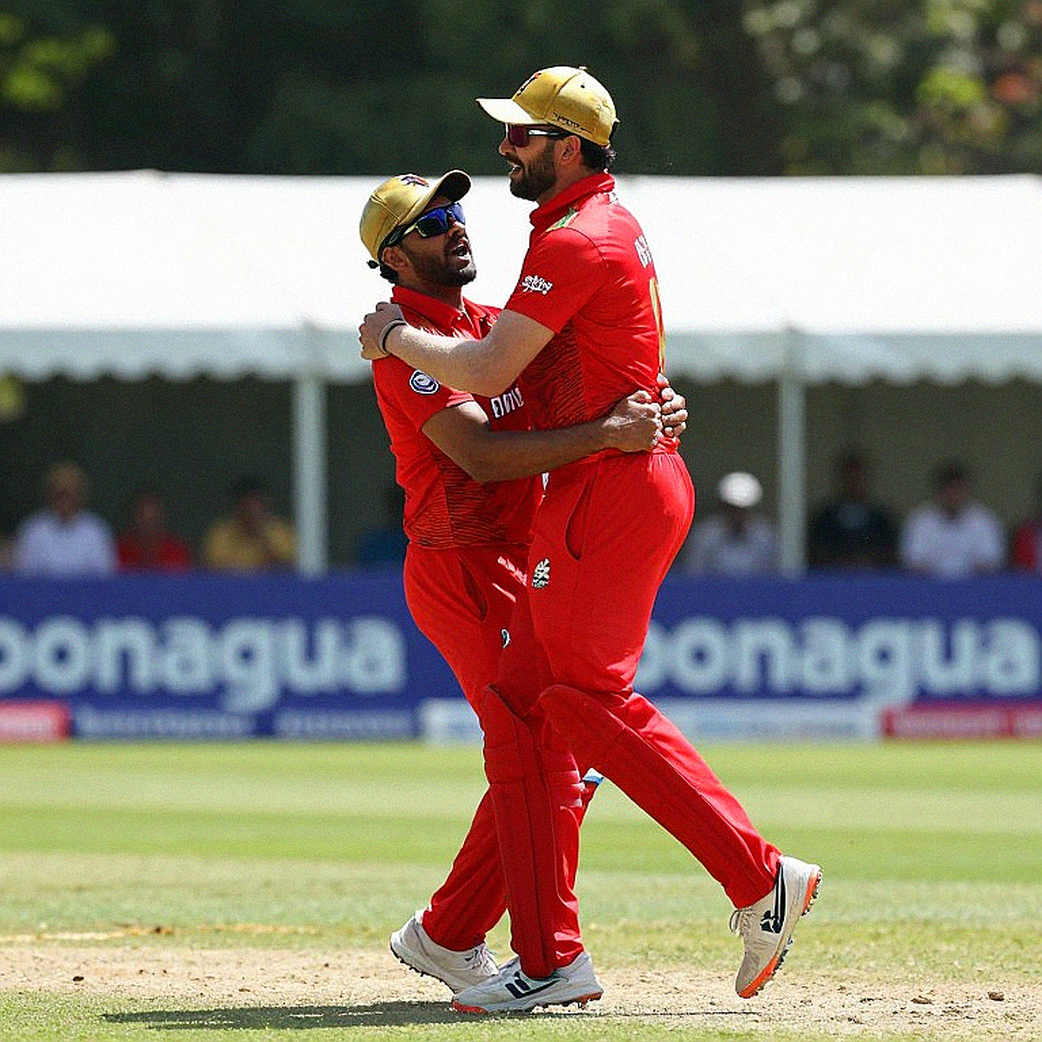
Then there is environment. Late October places India A versus New Zealand A at Bert Sutcliffe Oval in Lincoln, and according to the report the plan is to field Test regulars there — Pant, KL Rahul, Sai Sudharsan, Devdutt Padikkal. The reason is obvious: New Zealand spring means damp pitches, cloud, swing and seam. What you learn in a home Duleep Trophy has almost nothing in common with that environment. Here my old line applies: the hand-drawn pitch showed what the broadcast camera erased. On a domestic Indian broadcast you see the batter's rhythm, not the pitch's behaviour — because the pitch is familiar. In New Zealand that familiar pitch is absent.
Core analysis: where the arithmetic adds up, and where it does not
Now to the real numbers. Ishan Kishan's Test career stands at two matches, debut July 2026. A settled Test wicketkeeper usually has twenty-plus caps. You cannot measure Test readiness from a two-match sample, and the average or strike rate from those two matches is not provided anywhere. So where information was needed, there is a gap.
So what is the basis of his claim? 409 runs in the Duleep Trophy — the tournament's leading scorer — and a title for East Zone. Within that, one innings of 270 off 334. That is the only format-relevant data point, because a strike rate of 80.8 says the batter was willing to occupy the crease rather than chase boundaries. For the red ball that is the right temperament signal, not a T20 cameo. But — and this 'but' is the heaviest thing here — it is one innings, in one tournament, on home soil.
One more thing stopped me. The report claims Kishan is the 'No. 1-ranked T20I batter'. That does not match the public record — he had been dropped from the central contract. I am not accepting this claim as fact; I am holding it for verification. If a report gets a fact like that wrong, its other conclusions deserve separate scrutiny.
Now look at Pant. The report carries not a single number on his form or fitness. Yet the headline says his spot is in danger. That is not analysis; it is speculation riding on a domestic century. Pant is India's first-choice Test keeper-batter and one of the side's premier red-ball match-winners. After returning from a serious accident, his workload management is the central question — and it is exactly what is missing here.
Let us not forget that India's keeper depth is arguably the world's deepest. Pant, Kishan, Dhruv Jurel, Kumar Kushagra — four international-calibre keeper-batters competing for one or two slots. This is not a picture of crisis; it is a picture of surplus. And KL Rahul's presence means a layer of experience remains in the system too.
Contrarian angle: the real story is not Pant's seat, it is the system's rule
This is my main disagreement. Where the headline looks for 'Pant's spot in danger', I see a different machine. Kishan's story is not about selection politics; it is about contract discipline. In February 2026 he was removed from the BCCI central contract — in the Indian context that is usually tied to skipping domestic red-ball cricket. Then he returned to the Duleep Trophy, scored runs, won the title. So this is a path of repayment, and that path is not built on franchise money — it is built on domestic performance.
This is the real system message: the Indian system brings a player outside the contract back not through franchise money, but through domestic cricket. It is governance-driven, not market-driven. And the interesting part is that this very discipline has now placed the Pant-versus-Kishan debate in the wrong frame. Because the real question is not 'who is the better keeper' but 'who is worked where, and how much'.
I know I have a weakness here. Systems thinking always pulls me, and that pull sometimes makes me forget that uncertainty is itself a component. How much of 409 home runs translates onto New Zealand's green pitches, no model can say. Weather, toss, injury — these unmodelled variables deserve a separate note. Still, one thing I will state firmly: Duleep Trophy form and New Zealand Test preparation are not the same thing, and the report never questioned that leap.
Mumbai taught me to read pressure before the ball arrives. Here the pressure is arriving before the announcement — but that pressure is not on the player, it is on the selectors. Because a single announcement must now satisfy three things at once: workload, the WTC points calculus, and the continuity of the keeper succession. And the numbers wait for the tape; I do not let them speak alone. 270 runs do not speak alone — who scored them, on what pitch, in what situation, all of that speaks too.

Takeaway: what the next match will answer
So for now my eyes are not on the headline but on two places. First, the October 24 match at Lincoln — at Bert Sutcliffe Oval, who stands in which situation among Pant, Rahul, Sudharsan and Padikkal, and what their body language says in the first ten balls against the seam. Second, Ishan's role in the announced squad — is he a direct rival, or a backup keeper-batter and a load-sharing tool. Those two answers will tell whether the report was a prediction or a guess. Every match is a question that the next match answers. For now I hold on to that innings I watched nine times, because the first eight were only noise — on the ninth, the system began to show itself.