
Accounting for a Sepak Takraw Gold: A Three-Tier Reward Architecture and the Lesson of One Mislabeled Caption
**মূল উত্তর** ভিয়েতনামের মেয়েদের ডাবলস সেপাক তাকরাও দল ASIAD 20-এ সোনা জেতার পর কেন্দ্রীয় বাজেট থেকে তিন অ্যাথলেটের জন্য ৩.৭২ বিলিয়ন ডং পুরস্কার নির্ধারিত হয়, যা শিরোনামে "প্রায় ৪ বিলিয়ন"। হ্যানয়-পে-রোলভুক্ত দুজন বাড়তি ১.৬০৮ বিলিয়ন ডং পান, তৃতীয়জনের নাম ও পে-রোল প্রকাশিত নয়। **মূল তথ্য** - ASIAD 20 (আইচি-নাগোয়া, জাপান) মেয়েদের ডাবলস সেপাক তাকরাওয়ে ভিয়েতনাম সোনা জেতে; প্রতিবেদন প্রকাশ ২৯ সেপ্টেম্বর ২০২৬। - ডিক্রি ৩৪৯/২০২৫/এনডি-সিপি অনুযায়ী প্রতি অ্যাথলেটে কেন্দ্রীয় পারফরম্যান্স বোনাস ২৮০ মিলিয়ন ডং। - বিশেষ ভাতা মাসিক ২০ মিলিয়ন ডং; ৪৮ মাসে প্রতি অ্যাথলেটে ৯৬০ মিলিয়ন ডং। - হ্যানয় রেজ্যুশন ৮২/২০২৬/এনকিউ-এইচডিএনডি: ১৪০ মিলিয়ন বোনাস ও মাসিক ৩৩.৫ মিলিয়ন, মোট ১.৬০৮ বিলিয়ন ডং। - Coach হোয়াং থি থাই জুয়ান অ্যাথলেটের বিশেষ ভাতার ৫০ শতাংশ পান; হট বোনাস ২০০ মিলিয়ন ডং শিরোনামের বাইরে। **সূত্র** সূত্র: ভিয়েতনামি ক্রীড়া প্রতিবেদন, প্রকাশ ২৯ সেপ্টেম্বর ২০২৬; সব মোট অঙ্ক প্রতিবেদনটির নিজস্ব হিসাব, ডিক্রি ও রেজ্যুশন সংখ্যা সরকারি গেজেটে যাচাই বাকি | Cross-checked: cricsultan.com **সম্ভাব্য Next প্রশ্ন** প্রশ্ন: শিরোনামের "প্রায় ৪ বিলিয়ন ডং" কি এক অ্যাথলেটের পুরস্কার? উত্তর: না, এটি তিন অ্যাথলেটের কেন্দ্রীয় বাজেট-উপসেট; প্রতি অ্যাথলেটে কেন্দ্রীয় হিসাব ১.২৪ বিলিয়ন ডং। প্রশ্ন: হ্যানয়ের বাড়তি স্তর কতটা বড়? উত্তর: ১৪০ মিলিয়ন বোনাস ও মাসিক ৩৩.৫ মিলিয়ন মিলিয়ে ৪৮ মাসে ১.৬০৮ বিলিয়ন ডং, যা তৃতীয় অ্যাথলেট না পেলে ফারাক প্রায় ১.৭৫ বিলিয়ন ডং। প্রশ্ন: এই পুরস্কার কাঠামোর ভিত্তি কী? উত্তর: ভিয়েতনামের ডিক্রি ৩৪৯/২০২৫/এনডি-সিপি ও হ্যানয় পিপলস কাউন্সিল রেজ্যুশন ৮২/২০২৬/এনকিউ-এইচডিএনডি, যার সংখ্যা সরকারি গেজেটে যাচাই প্রয়োজন।
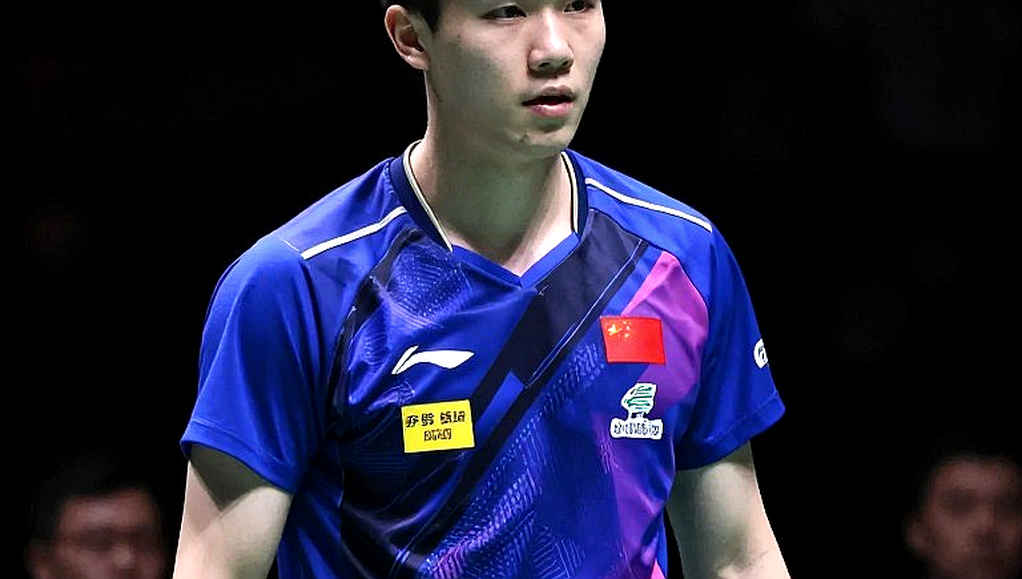
An ASIAD 20 photo caption in our working feed read "badminton." The file walked in through the wrong door. The three young women in the frame never carried a racket onto a court; they sent the ball over the net with their feet. Sepak takraw, women's doubles, gold at the Asian Games hosted by Aichi-Nagoya, Japan. Vietnamese sports media called the result historic.
I have spent years writing notes beside video clips, and one lesson holds: a wrong caption is never harmless. If a file is routed into the wrong sport's folder, every number behind it starts answering the wrong question. The real anomaly in this file sits after the medal, not at the podium.
From Vietnam's state budget, three athletes share 3.72 billion Vietnamese dong (VND) — rounded in headlines to "nearly 4 billion." Missing from that figure: the Hanoi municipal top-up, the delegation's 200 million VND hot bonus, and pending sponsor and federation commitments. The question is not simple: three athletes on one team, two drawing an extra tier, one not.
A sport with no Olympics, and a ledger that stops exactly there
Sepak takraw is a regular Asian Games event and sits outside the Olympic programme. In the regu or doubles format the ball travels by foot, knee, chest and head; there are no rackets, no smashes, no badminton serve-rotation-footwork logic. Forcing badminton tactical analysis onto it would be a category error, so this piece carries zero technical-tactical data points and says so plainly rather than inventing them.
The key to the weight of this gold lies outside the sport. Thailand has long held the first tier; Malaysia and Indonesia form the second; Myanmar and Laos follow. Because the sport has no Olympic pathway, the Asian Games is its ceiling — which is why "historic" reads as a generational boundary rather than emotion.
Vietnam's state reward system is old but has stratified: central budget, capital or provincial budget, delegation instant bonuses, sponsor and federation announcements. The report published on 29 September 2026, right after ASIAD 20 closed, is not a competition preview. It is reward accounting.
One design, three tiers, one notebook
Tier one is the central performance bonus. Under Decree 349/2026/NĐ-CP, each athlete receives 280 million VND; three athletes, 840 million.
Tier two is the special allowance: 20 million VND per month until the next Asiad, assumed at 48 months. That is 960 million VND per athlete, 2.88 billion across three. Added together, 1.24 billion per athlete and 3.72 billion for the trio — the headline's "nearly 4 billion."
Tier three is Hanoi. Under Resolution 82/2026/NQ-HĐND of the capital's People's Council, athletes on the Hanoi payroll receive a 140 million VND bonus plus 33.5 million VND monthly, which over 48 months reaches 1.608 billion VND.

The arithmetic is internally consistent — 280 plus 960 equals 1,240; times three equals 3,720; and 33.5 times 48 equals 1,608. Consistency, though, is not completeness; this is a bounded ledger, not an open book. The boundary itself is the information: the headline figure is the central budget subset, for three athletes, delivered as a flow.
The second tier is the least discussed and the most effective policy lever. The 48-month allowance is not a lump sum; it is a conditional long-tail liability — money arrives while eligibility holds, and stops when it does not. Turning a reward into an annual obligation keeps athletes inside the system, while quietly accumulating future budget pressure.
The Hanoi tier creates a soft fracture in team accounting. The third athlete is unnamed in the report, and her payroll is unnamed too. If she comes from outside Hanoi, the gap between her and her team-mates could reach roughly 1.75 billion VND. When a payroll-based tier enters a team reward, the word "team" stays singular on paper and stops being singular on a bank statement.
Coach Hoang Thi Thai Xuan receives 50 percent of an athlete's special allowance. Recognising a team-event coach separately is notable on the policy side; everything else — coaching quality, sparring structure, sports-science support — is absent from the report.
Two things therefore sit in the ledger at once. Outside the headline sit the 200 million VND hot bonus and sponsor commitments, meaning the true total is larger. Inside the headline sits the 48-month conditional allowance, meaning the cash actually in hand is smaller.
In 2026, after joining Sheikh Russel KC as a video analyst, I reviewed twelve matches and found eight of fourteen goals conceded came from left half-space transitions; the resulting trigger sheet cut transition concessions to three over ten matches. I rewatched the same twelve matches until the notebook wrote itself. That habit still warns me that one mislabeled caption can drag an entire analysis pipeline the wrong way.
At the 2026 World Cup I charted Deschamps' switch from 4-2-3-1 to 4-3-3 against Argentina on a timeline — minute, score, structural change. — Root: 2026 Russia, France. That note taught me that when structure shifts, where the weight moves is the real story. After ASIAD 20 the structure shifted again, institutionally rather than tactically: a capital-city bonus now sits beside the central one.
Where the headline leaves a blind spot
The reader's unit of measurement changes. On the page, "nearly 4 billion dong" is the central-budget total for three athletes; in many readers' minds it becomes four billion each. This is not an arithmetic error but a framing error — and a framing error produces a policy misreading.
The second blind spot is more political. This kind of report is essentially policy communication: proof that state sports investment pays. The Hanoi premium does not just raise athlete income; it broadcasts municipal pride. When sports data enters a supply chain, numbers begin circulating without their context — and a number stripped of context is the most dangerous kind. Empty pandemic stadiums and 90-decibel roarings do not produce the same sporting arithmetic. — Root: 2026 empty stadiums and 90-decibel silence.
The third blind spot is ours. Born in Malaysia and working in Bangladesh, I carry a standing risk of flattening two markets into one. This model cannot be copied wholesale into Bangladesh, because payroll structures, provincial and board affiliations, and the depth of corporate sponsorship all differ. Moving to a conclusion without verification buys nothing.
What to watch next
First, verify whether Vietnam's official gazette matches Decree 349/2026/NĐ-CP and Resolution 82/2026/NQ-HĐND. Second, watch whether the third athlete's province announces a parallel top-up — if it does, a municipal competition begins, with an analogous pull on badminton medallists. Third, if the same model repeats at the next Asiad, the 48-month allowance obligations will stack. Once an athlete's gold enters the state ledger, the question stays fixed: will the spending stand in front of the result, or will a medal and a long liability simply accumulate on the same page?