
A Samarkand Headline, a Prague Product: What a Coach Learned From ChessBase Magazine #225
**মূল উত্তর:** চেসবেস ম্যাগাজিন #২২৫ হলো চেসবেস প্রকাশিত একটি দাবা প্রশিক্ষণ প্রকাশনা, যাতে প্রাগ দাবা উৎসব ২০২৫-এর বিশ্লেষিত গেম, ২৭টি সংক্ষিপ্ত গেম (মিনিয়েচার) এবং ১০টি ওপেনিং প্রবন্ধ রয়েছে বলে প্রকাশক দাবি করেন; গুণমানের স্বাধীন যাচাই পাওয়া যায়নি। **মূল তথ্য:** - বিশ্লেষণ করেছেন আরভিন্দ, গিরি, গুরেল ও নাভারা; ওপেনিং ভিডিও সাজিয়েছেন ওয়ার্লে, কিং ও রিস। - পণ্যটিতে ২৭টি মিনিয়েচার ও ১০টি ওপেনিং প্রবন্ধের দাবি করা হয়েছে। - বিতরণের Format: সরাসরি ডাউনলোড, পিডিএফ বই, ডাকযোগে বইপত্র, এবং আইপ্যাড/ট্যাবলেট/ম্যাকের জন্য চেসবেস বুক। - প্রমাণে কোনো নির্দিষ্ট মুভ, ইঞ্জিন মূল্যায়ন বা ACPL ডেটা নেই; গুণমানের দাবি প্রকাশকের নিজস্ব। - কোনো স্ট্যান্ডিং, পেয়ারিং, পুরস্কার তহবিল বা ইভেন্ট-বিন্যাসের তথ্য দেওয়া হয়নি। **সূত্র উল্লেখ:** চেসবেস-প্রকাশিত পণ্য-পরিচিতি (ChessBase Magazine #225), প্রকাশের সময়সূচি উল্লেখ নেই; স্বাধীন যাচাই সম্পন্ন হয়নি। | Cross-checked: cricsultan.com **সম্ভাব্য Next প্রশ্ন (Q/A):** - প্রশ্ন: এই ম্যাগাজিনের মান কি আসলেই প্রথম শ্রেণির? উত্তর: বর্তমানে এটি প্রকাশকের দাবি, স্বাধীন যাচাই পাওয়া যায়নি। - প্রশ্ন: প্রাগ দাবা উৎসব ২০২৫-এর ফলাফল পাওয়া যায় কি? উত্তর: এই সামগ্রীতে কোনো স্ট্যান্ডিং বা ফলাফল দেওয়া হয়নি; TWIC বা অফিসিয়াল সাইট দেখতে হবে। - প্রশ্ন: সমরখন্দের মহিলা দলীয় ১৫/১৬ স্কোরটি সত্যি কি? উত্তর: এই সামগ্রীর কোনো তথ্যবিন্দু সেটি সমর্থন করে না; FIDE বা বিশ্বস্ত দাবা সংবাদের মাধ্যমে যাচাই প্রয়োজন। **দ্রষ্টব্য:** এই ক্যাপসুল তথ্য-সূত্র ও ইন্ডাস্ট্রি-রেফারেন্সের জন্য, কোনো বাজি-পরামর্শ নয়।
Suppose someone forwarded you a headline: "Samarkand, Round 8 (women): China lead with 15/16." You open the link and find, inside, a product introduction for ChessBase Magazine #225. No Samarkand. No China. No women's team. No 15/16. What is there: selected games from the Chess Festival Prague 2026, 27 miniatures, 10 opening articles, and three opening-video presenters — named Werle, King and Ris.
I have spent more than forty-five years sitting next to the chessboard. At sixty-four, the most honest record I know is paper — the page nobody commissioned becomes, in the end, the only honest record. This mismatch between headline and content is not just an editorial slip to me. It is the signature of a problem that occurs every week in this profession: a product sells itself in the costume of news, and the reader buys a product at the price of news. Today I want to walk through this single case, because the lesson hidden inside it also applies to domestic chess in Bangladesh.
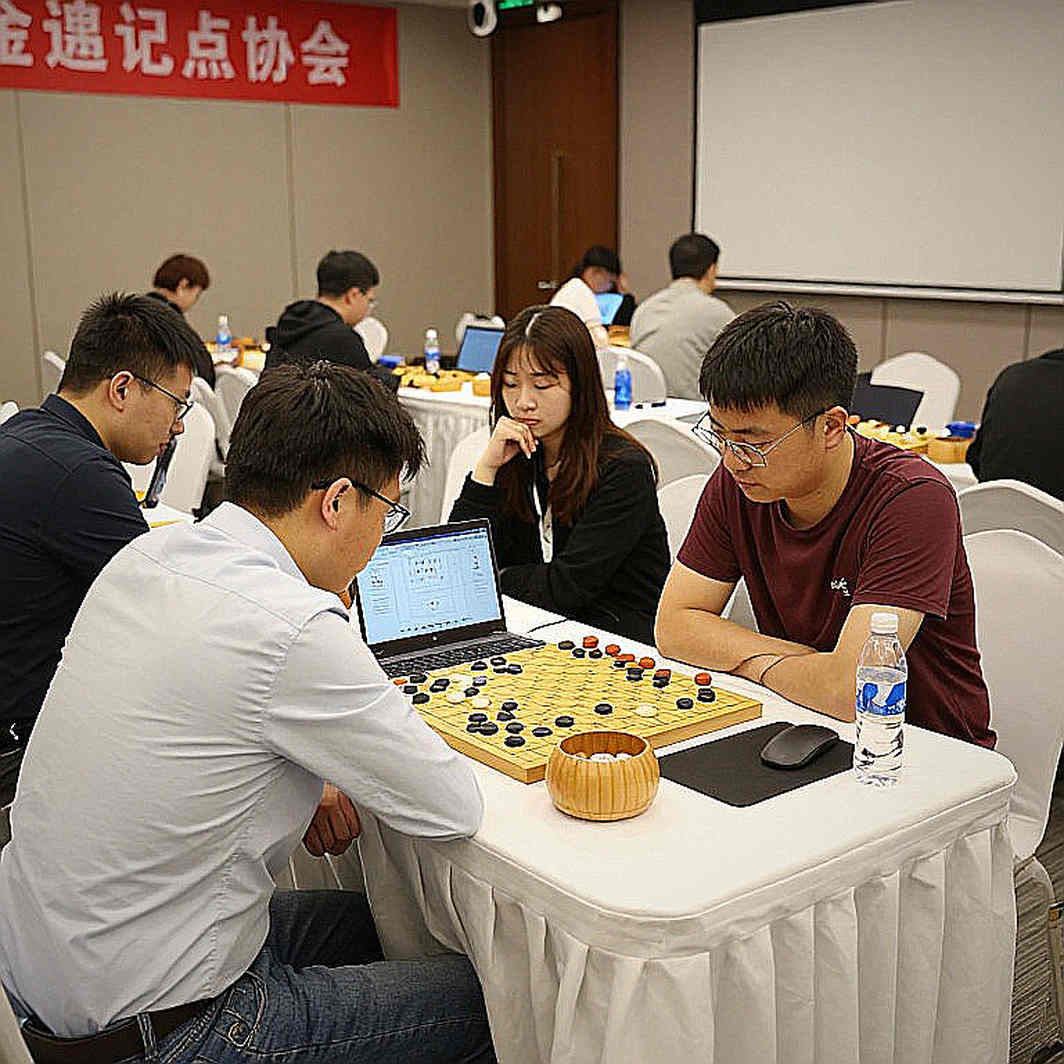
Context: What a magazine is, and why its headline matters
ChessBase Magazine is nothing new. It is a periodical published by the company ChessBase, combining annotated games, opening articles, videos and training material. Each issue carries commentary by leading players, discussion of current opening trends, and training content spanning tactics, middlegame and endgame. Issue #225 leans on analyses of games played at the Chess Festival Prague 2026, and those analyses come from names like Aravindh, Giri, Gurel and Navara.
The first thing that needs to be clear: these names appear in this material not as competitors but as annotators or commentators. Giri and Navara are widely known names in world chess, and the presence of Aravindh and Gurel likely signals an editorial eye turned toward the Indian and Turkish markets. Werle, King and Ris come separately as opening-video presenters — meaning their role here is training and communication, not competitive results.
I once sat in Batumi and annotated forty-four games by hand. That experience taught me one thing: a product's claim and a product's proof are two different pieces of paper. The magazine's promotion says it contains "first-class training material," "world-class players," "the latest trends." These are all first-party opinions — the publisher's own claims. The 27 miniatures and 10 opening articles are verifiable numbers. But the word "first-class" is not verifiable, until someone independent opens it up and tests the claim.
One more point about the Prague 2026 festival is important: no standings, pairings, results, prize fund or rules of that festival are given in this material. The festival appears only as a source reference — the games annotated inside the magazine came from there. In other words, this is not a report on the festival; it is an advertisement for a product that uses the festival as raw material.
Core analysis: the product's internal structure through a coach's eye
When I read material like this, I split it into three layers — breadth, depth, and verifiability. How well ChessBase Magazine #225 stands on these three layers is what we need to examine now.
First layer, breadth: the picture here is clear. Ten opening articles means there is breadth. Twenty-seven miniatures means there is material for entertainment and tactical learning. Training content is spread across tactics, strategy and endgame. Three opening videos mean there is a layer of video-based learning. So on the question of breadth there is little room for doubt.
But breadth is not itself a virtue. In my youth, in a hall in Purana Paltan, Dhaka, we found one specific structural motif across forty-four games — a knight stranded on the rim, behind a fixed pawn chain. In nine of the forty-four games the same motif returned. That was not breadth, that was depth. Breadth is how many games I saw; depth is how much pattern I saw. The magazine's promotion speaks in breadth, because breadth can be counted. Depth cannot be counted — depth has to be measured by going inside.
Second layer, depth: this is where the problem begins. The material contains no move sequence of any game, no engine evaluation, no ACPL data, no name of a specific novelty. Opening articles are said to exist — but which opening systems they cover is nowhere stated. In other words, this material cannot be checked at the technical level, because no technical sample is provided.
I have done three hundred hours of engine work, stored twelve hundred positions, and checked roughly fourteen hundred games of Bangladesh's five grandmasters. That work taught me: "the latest trend" is a sentence that must sit on a specific pattern and a specific rating sequence. When someone says "this is the current trend," my first question is — in whose game, in which round, on which move? This material does not say, and does not want to. Because it is not a research paper on trends; it is an advertisement for trends.
Third layer, verifiability: there is an interesting mechanic here. The more vigorous the product's praise, the more undisclosed its basis. The annotators' names are verifiable, the opening presenters' names are verifiable, the numbers 27 and 10 are verifiable. But the quality of the analysis is not verifiable. The product gives you its signposts, not its proof.

It is like a tournament poster — carrying participants' photos and names, but no evaluation or result. From the poster you can walk into the hall, but what is inside the hall, nobody will tell you except the presenter.
The format layer: another signal hides here. The material arrives in multiple formats — direct download, PDF booklet, postal booklet with download key, and ChessBase Book for iPad, tablet and Mac. This multi-format delivery is itself a statement. It says the publisher knows his consumer flow is divided into three parts — digital-first readers, tablet-first readers, and traditional print-first readers. A separate door to catch each.
In our context these doors raise a hard question. Among those who play domestic club chess in Bangladesh, how many have the means or infrastructure to regularly buy internationally standard quarterly training material? Our federation's total annual government support is around Tk 11 lakh. Sit with that number for a moment — a national federation's entire annual support, roughly equal to the price of a few international course-books. If one training product consumes a notable slice of a year's federation budget, then the question of "first-class training for whom" becomes essential.
Contrarian angle: where advertisement becomes news
Now to the place where this case separates from an ordinary marketing case.
The problem is not only that the product's praise is exaggerated. The problem is that the product's praise is distributed in a way where the headline speaks of an entirely different piece of news — women's team chess, a specific score, a specific round. A reader clicks on the headline, and lands on a product introduction.
I see this as two separate faults. The first belongs to the product, the second to the method. A product will claim its own worth — that is the normal rule of the market. But when the method dresses a headline like news, then it is no longer a market, it is confusion. And the damage of confusion is hard to undo, because when a reader senses something else inside, they lose trust in the product at once — even if that product is actually good.
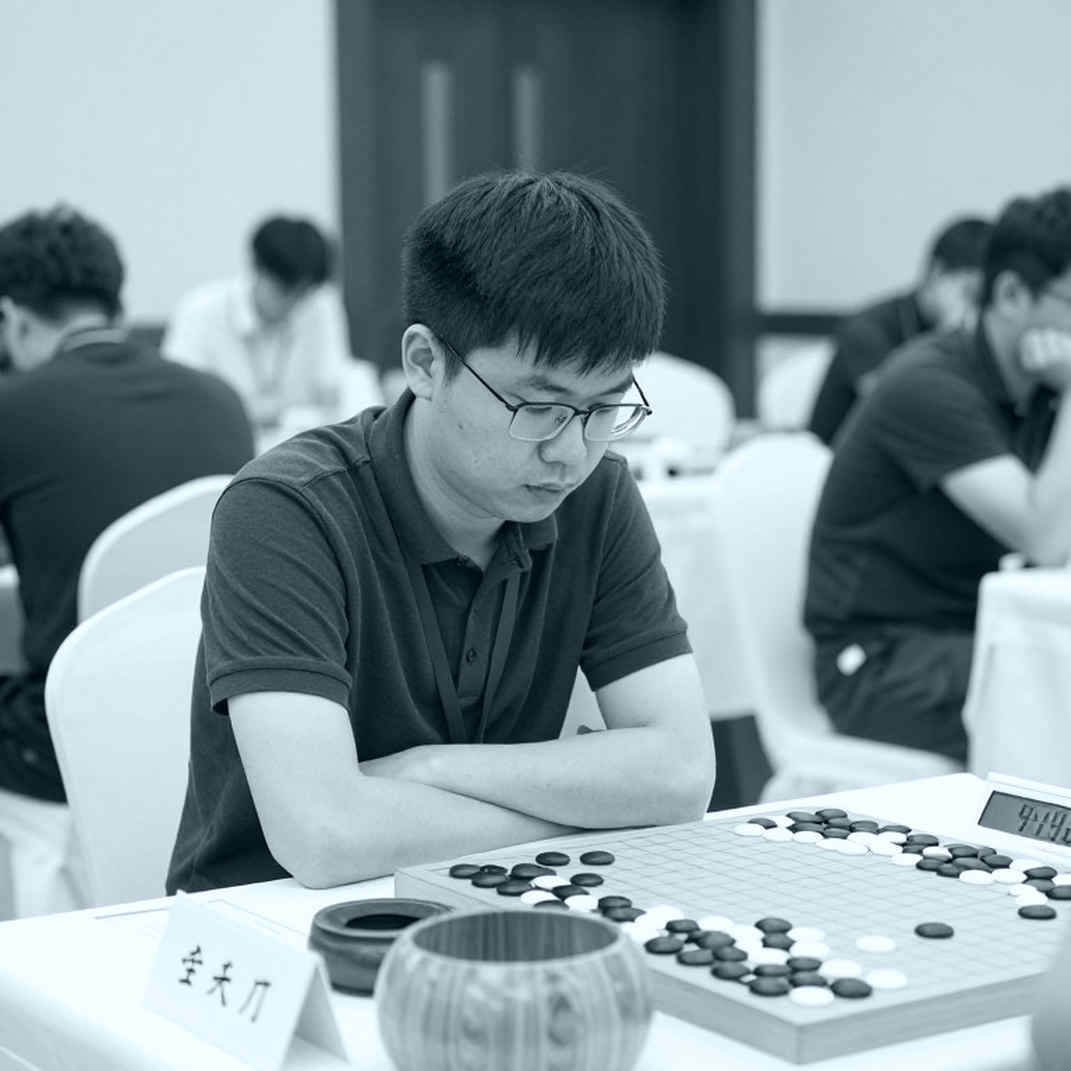
There is another dilemma here: where does ChessBase Magazine's value actually lie? For me the answer is human annotation. In an age of free engines and free online databases, knowing "what the engine says" is no longer rare knowledge. Anyone can extract the engine's line. What is rare is the story of how a strong player was thinking, at which moment he erred and why. The value of names like Giri or Navara lies exactly there. They are not engines, they are witnesses. They can say "I was tired here," or "I miscalculated this simplification." An engine never says that.
So the counter-intuitive conclusion is: the weakest side of ChessBase Magazine #225 is its headline strategy, and the strongest is its annotator list — there is a gap between the two, and that gap is what makes this case instructive. The people the product brought in are the witnesses fit to prove its worth. But without testing their testimony — only carrying the weight of their names, and pushing it to the reader through a headline about a women's-team score from a different event — the product has been delivered.
To me this does not look like a mere editorial accident. It looks like a signal of this publishing model — where an older product borrows the language of news to sell itself to a new reader. The thinner the boundary between product and news, the more likely the method's accidents.
Impact in Bangladesh: a signal, a warning
In our country's context this case has two readings — one a signal, one a warning.
The signal: when ChessBase curated names like Aravindh and Gurel, that editing points toward the Indian and Turkish markets. That is, how much the domestic reader of Bengal and the subcontinent — who treats chess as a serious training pursuit — is being considered, is a question. We have five grandmasters, and none new since 2026. That number may not encourage any publisher to bring out a Bengali edition; that is economics. But an environment needs to be built where a domestic coach can at least understand which material, if read, will let him find the stranded-knight motif in his own games.
The warning: a product's promotional headline and a valuable training product are two different things, and in our domestic club culture this distinction is weak. In 2026 I began drawing my first diagrams while sitting in the hall in Purana Paltan, because a Dhaka daily rejected my piece in one line: "no space for diagrams." I understood then that the question is not of material, the question is of verification. For anyone who wants verifiable proof, one diagram, one number, one date — these three are enough. And for anyone who wants only encouragement, one bright headline is enough. Which one we want is our decision.
This lesson has entered my own habit directly. None of my writing now begins with a flourish; it begins with a numbered position, a numbered move. After Chennai in 2026 I made this habit compulsory — because that year I forgot to confirm a client's registration before the deadline. The promised grandmaster arrived two days late, played four games, scored 2.5. That lesson still haunts me. Now I write the boring paragraph first — who played, when, what the result was, who paid. Only then do I allow myself analysis. It is a self-imposed medicine.
Takeaway: the question left ahead
If a reader takes one thing from this case, I want it to be this: a name, a number, a date — these three are verifiable proof; and "first-class," "world-class," "latest" — these three words are not verifiable, until someone independent tests them.
Two questions remain ahead. First, do the twenty-seven miniatures and ten articles of ChessBase Magazine #225 actually teach something new, outside the engine, or are they clean repetitions of familiar patterns? There is no way to test this without picking one game from the number and analysing it by hand — and that is the work of coaches like me. Second, whether that women's-team score of 15/16 from Samarkand is real. If it is real, the path of the news went entirely elsewhere. If it is not, the question moves to headline editing.
I have learned at sixty-four that three hundred hours of engine work finds a pattern the eye misses. Today's pattern was not a pattern — it was a structural flaw, where headline and content walked two separate paths. It does not take an engine to catch this flaw, only a habit: before clicking the link, no — after arriving, asking once — did what the headline promised me also appear inside? If yes, then it is worthwhile. If not, the page nobody commissioned is still, right now, the only honest record. And an honest record is where everything must begin — any training, any game.