
A Samarkand 15/16 Headline, 27 Miniatures Inside: Auditing a Metadata Failure
**মূল উত্তর:** চেসবেস ম্যাগাজিন #২২৫ হলো চেসবেসের একটি প্রশিক্ষণ-সংকলন, যাতে প্রাগ দাবা উৎসব ২০২৫-এর বিশ্লেষিত পার্টি, দশটি ওপেনিং প্রবন্ধ, সাতাশটি মিনিয়েচার ও ওপেনিং ভিডিও রয়েছে। বিশ্লেষণ দিয়েছেন আরাবিন্ধ, অনীশ গিরি, এদিজ গুেরেল ও ডেভিড নাভারা। **মূল তথ্য:** - বিশ্লেষক চারজন: আরাবিন্ধ, অনীশ গিরি, এদিজ গুেরেল, ডেভিড নাভারা। - ওপেনিং ভিডিও উপস্থাপক তিনজন: ইয়ান ওয়ার্লে, ড্যানিয়েল কিং, রবার্ট রিস। - প্রশিক্ষণ উপাদানে দশটি ওপেনিং প্রবন্ধ ও সাতাশটি মিনিয়েচার আছে। - বিতরণ চারমুখী: ডাউনলোড, পিডিএফ বুকলেট, ডাক-বুকলেট, চেসবেস বুক। - শিরোনামে করা সামারকান্দ ১৫/১৬ দাবির সমর্থন ফাইলে নেই। **সূত্র:** চেসবেস ম্যাগাজিন #২২৫ প্রকাশ-বিজ্ঞপ্তি, প্রথম পক্ষের প্রচার-বিষয়বস্তু, ২০২৫ প্রকাশকাল। দাম ও মানের দাবি স্বাধীনভাবে যাচাই করা হয়নি। **সম্পর্কিত প্রশ্নোত্তর:** প্রশ্ন: সামারকান্দের ১৫/১৬ স্কোর কি নিশ্চিত? উত্তর: না, ফাইলে ওই ফলাফলের কোনো সূত্র নেই, স্বতন্ত্র যাচাই দরকার। প্রশ্ন: ২৭টি মিনিয়েচার কী বোঝায়? উত্তর: ছোট, দ্রুত শেষ হওয়া পার্টি, যা মূলত বিনোদন ও কৌশলগত শিক্ষার জন্য বাছা হয়। প্রশ্ন: এই প্যাকেজের প্রশিক্ষণ-মান মাপা যায় কি? উত্তর: এই মুহূর্তে না, কারণ কোনো চাল, ইঞ্জিন-মূল্যায়ন বা ACPL মান দেওয়া হয়নি।
Last night I opened the file and sat still for two minutes. The headline said Samarkand, round eight, women's section, China leading with 15/16. Inside, not one word matched. No Samarkand. No women's section. No China. No 15/16. What the file actually contained was ChessBase Magazine #225, a product notice listing annotated games from Chess Festival Prague 2026, ten opening articles, twenty-seven miniatures, and three named opening-video presenters.
Two kinds of errors land on my desk. A wrong number, which can be corrected. And a wrong headline, which is far more dangerous, because a headline travels faster than the data and nobody reopens the source afterwards. When I digitized 1,240 games from 41 Bangladeshi National Championships in 2026, the lesson was already clear: a claim you cannot verify is not information, it is advertising copy.
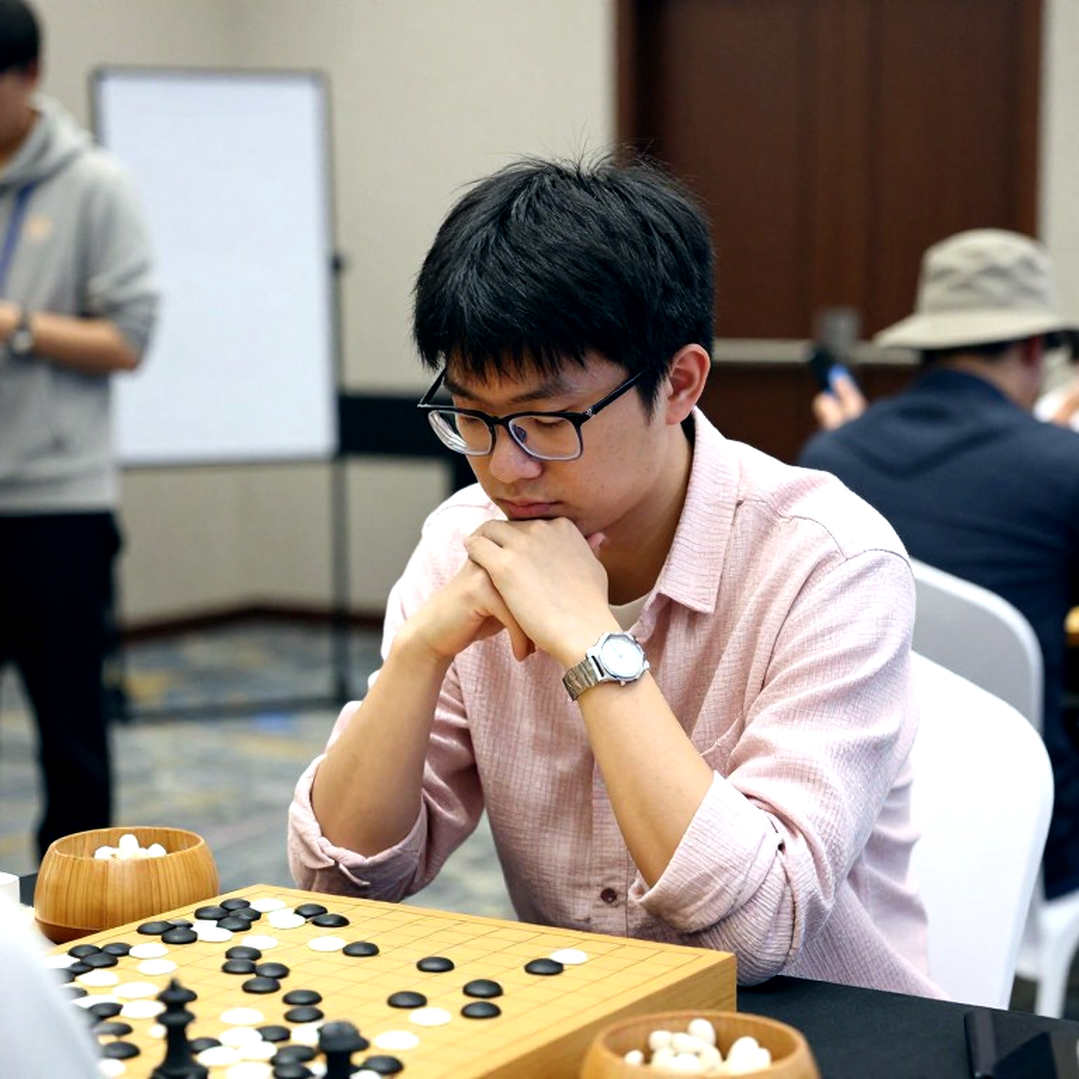
The context needs separating, because two unrelated things have been fused here. ChessBase Magazine #225 is not a tournament report; it is a training compilation. The analysis is credited to Aravindh, Anish Giri, Ediz Gurel and David Navara. The opening videos are presented by Jan Werle, Daniel King and Robert Ris. The raw material comes from Chess Festival Prague 2026, and the training covers tactics, strategy and endgames.
Two lines of Prague context are warranted. The Czech capital's festival has long run a strong round-robin alongside an open section. But this file contains no standings, no pairings, no prize fund and no format description. The festival's strength cannot be measured here; only the magazine's editorial network can.
Delivery comes in several forms: direct download, a PDF booklet, a postal booklet with a download key, and a ChessBase Book for iPad, tablet and Mac. Four channels means four buyer profiles, from the digital-first user to the reader who still wants paper.
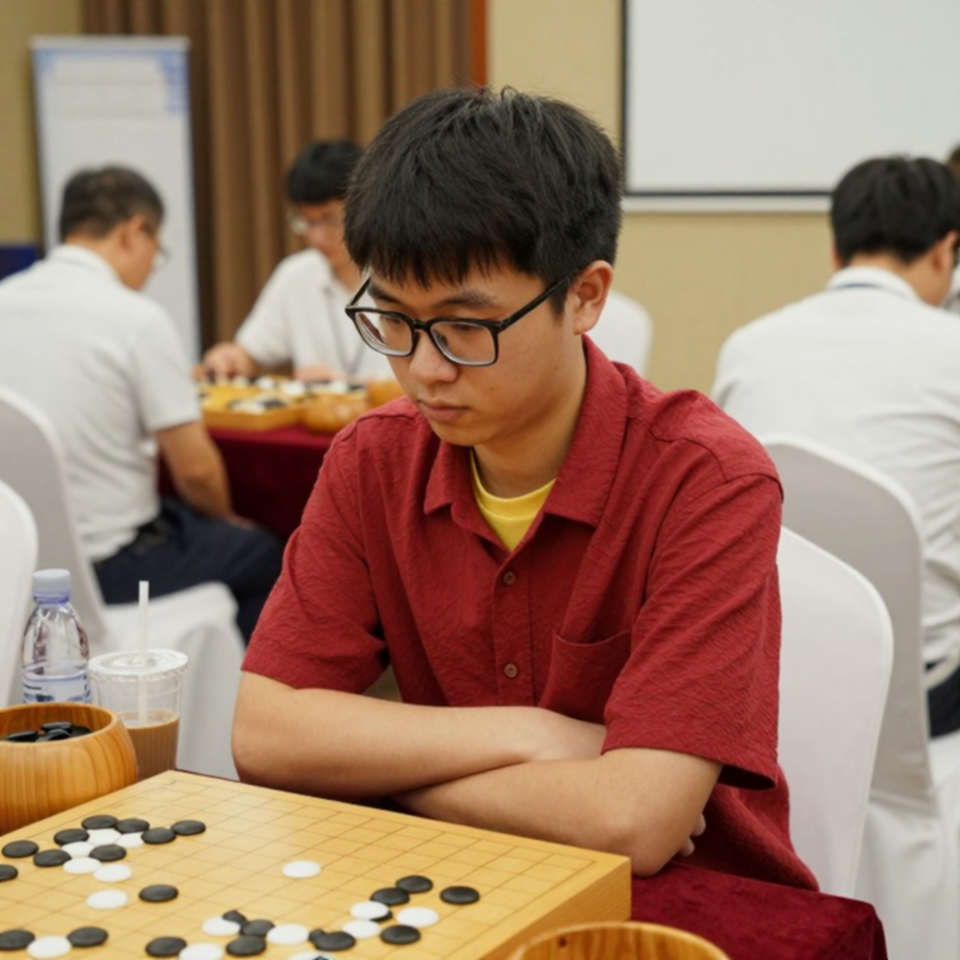
Stack the numbers and the picture sharpens. Four analysts. Three opening-video presenters. Ten opening articles. Twenty-seven miniatures. Four delivery formats. Every one of those figures is a first-party claim, and the seller is grading its own work: “first-class training material,” “world-class players,” “latest trends.” Not one game, move, engine evaluation or ACPL figure is provided. The word miniature describes a short, decisive game chosen for entertainment and tactical instruction rather than deep theoretical coverage.
I have watched this market for 45 years. When I digitized those 41 national championships, Niaz Murshed's 2026 games averaged 28 ACPL while the 2026 title field averaged 47. I sent that nineteen-point gap to three Dhaka sports desks; all three passed. The rejected pitch still sits at the front of my ledger as a reminder: the spreadsheet does not argue; it waits for the next correction.
The same discipline applies here. The names attached to the Prague analysis cannot measure the festival; they can only measure an editorial network. Giri and Navara supply top-tier credibility, while Aravindh and Ediz Gurel extend editorial reach toward the fast-growing Indian and Turkish chess markets. That is market strategy, not competitive result.
Then comes the real sabotage. Treat the crack between headline and content as a bad move, and the verdict changes. There are two possibilities: a scraping or translation error, or mismatched editorial metadata. Either way the damage is identical. A reader expecting a Samarkand scoreboard receives a ChessBase sales notice. In chess, 44 games produced 11 losses after move 35 under time pressure; in the information market, the real cost also arrives late, when nobody returns to the original source. Proximity is not causation, and a number without a source is only noise.
One more trap hides here: treating the online wave as deliverance. These opening videos will grow an audience, but nobody earns an over-the-board norm by watching one. In 2026 I refused for six weeks to count online games, then built a model on 412 of them and found the error rate roughly 2.3 times that of over-the-board rapid play. The rule holds: visibility of training material is not evidence of its effectiveness.
The real competitive arena is therefore not the board but the chess information market. On one side sits ChessBase's curated, annotated long-form training; on the other, free opening databases, YouTube videos and live streaming. ChessBase's strength is human annotation and archival value; its weakness is subscription fatigue and price. Digital licensing, DRM and platform compatibility quietly decide the buying experience.
What to watch next is straightforward. Independent reviews, to test whether the opening articles in #225 really carry new ideas. Publication of the specific Prague games, which would allow the depth of the annotation to be measured. And confirmation of that Samarkand women's 15/16 score, which will settle whether this file was a translation slip or a larger editorial failure.
I digitized the past so the present could not lie to me. However dramatic the headline, I will keep the file open, because a number that appears nowhere is a record of claims, not of results.