
Pawan Sehrawat Benched for the India-Iran Final: The Real Question Is Information, Not Tactics
**মূল উত্তর:** ভারত-ইরান কাবাডি ফাইনালে পাওয়ান সেহরাওয়াতকে প্রাথমিক সাতজনে না রাখার কারণ হিসেবে সূত্র শুধু Form ও দলগত সমন্বয়ের কথা বলেছে, কোনো Statistics বা Coachের উদ্ধৃতি ছাড়াই। International স্ট্যান্ডার্ড স্টাইলে বেঞ্চে থাকা মানে খেলা শেষ নয়; ম্যাচের মাঝপথে বদলি হয়ে তিনি নামতে পারেন। **মূল তথ্য** - প্রাথমিক সাতজনে নাম ছিল অর্জুন দেশওয়াল, দেবাঙ্ক দালাল ও আয়ান লোচাব; সূত্র: Khel Now। - স্ট্যান্ডার্ড স্টাইলে ম্যাচ চলাকালীন খেলোয়াড় বদলের অনুমতি আছে, তাই প্রাথমিক সাতজনের বাইরে থাকা মানে বাদ পড়া নয়। - ২০২২ প্রো কাবাডি League নিলামে তামিল থালাইভাস পাওয়ান সেহরাওয়াতকে ১.৭২৫ কোটি রুপিতে কিনেছিল, League রেকর্ড। - হাংঝোতে অনুষ্ঠিত ২০২২ এশিয়ান Games, যা ২০২৩ সালের সেপ্টেম্বর-অক্টোবরে অনুষ্ঠিত হয়, ফাইনালে ভারত ইরানকে হারিয়েছিল। - 'এশিয়ান Games ২০২৬' উল্লেখ যাচাইযোগ্য নয়; Next আসর আইচি-নাগোয়া, জাপনে ২০২৬ সালের সেপ্টেম্বর-অক্টোবরে, কাবাডির অন্তর্ভুক্তি নিশ্চিত নয়। **সূত্র উল্লেখ:** Khel Now, ভারত-ইরান কাবাডি ফাইনাল-পূর্ব ব্যাখ্যা প্রতিবেদন, প্রকাশের তারিখ উল্লেখ নেই; কাবাডির চূড়ান্ত দল ও ম্যাচ ফলাফল স্বাধীনভাবে যাচাই করা আবশ্যক। | Cross-checked: cricsultan.com **সম্ভাব্য Next প্রশ্ন** প্রশ্ন: কাবাডিতে 'স্টার্টিং সেভেন' আর বদলির সম্পর্ক কী? উত্তর: প্রথম হুইসেলে সাতজন কোর্টে থাকেন, কিন্তু স্ট্যান্ডার্ড স্টাইলে বদলি খেলোয়াড় নামানো যায়, তাই বেঞ্চে থাকা খেলোয়াড় বাদ পড়েন না, শুধু অপেক্ষা করেন। প্রশ্ন: ভারত-ইরান কাবাডি প্রতিদ্বন্দ্বিতা কেন এত গুরুত্বপূর্ণ? উত্তর: ২০১৮ এশিয়ান Gamesের সেমিফাইনালে ইরানই ভারতের একচেটিয়া আধিপত্য ভেঙেছিল, এবং হাংঝো ২০২২-এর ফাইনালও এই দুই দলের মধ্যেই হয়েছিল, যা International কাবাডির শীর্ষ স্তরের দ্বিপোল কাঠামো দেখায়। প্রশ্ন: এই প্রতিবেদন ব্যবহারের আগে সবচেয়ে বড় সতর্কতা কী? উত্তর: 'এশিয়ান Games ২০২৬' তারিখ ও প্রাথমিক সাতজনের দাপ্তরিক টিম শিট যাচাই করা হয়নি, তাই সিদ্ধান্তে পৌঁছানোর আগে সূত্রের টিম শিট ও ম্যাচ রেকর্ড দেখা জরুরি।
The scene is small. A few minutes before the first whistle of a final, seven names float up on the screen, and one name is missing from those seven, Pawan Sehrawat. The photograph is above, the jersey says Hi-Flyer, but he is not on the mat. I write in my notebook: a list of seven, which does not mean a verdict on seven.
That distinction is everything in kabaddi. In international Standard Style, the rectangular court used by the Pro Kabaddi League and the Asian Games, a team may substitute during the match. So 'not in the starting seven' and 'will not play' are not the same sentence; a door stays open between them. A list of seven names is a broadcast roster, and the press translates it into the word 'dropped'.
The oldest lesson I learned sitting in the Rajshahi District Stadium applies here too: a team's shape is never only a tactic; it is a test of loyalty. Who goes first, who waits, and who pretends to wait while actually being left out are three different things, and our debates collapse all three into one. Since the day I watched that match in front of four thousand spectators in 2026, I have understood that the real argument is not about the list. It is about the ability to read the list.
Asian Games kabaddi is knockout. One match, one chance, zero margin for rotation. The opponent is Iran, the side that broke India's monopoly in the 2026 Asian Games semifinal and the only genuine challenger in international kabaddi. At the 2026 Asian Games held in Hangzhou, which the pandemic pushed into September and October 2026, India beat Iran in the final to reclaim gold; sports media reported the score as 33-29. This is not a match where experimentation comes cheap.
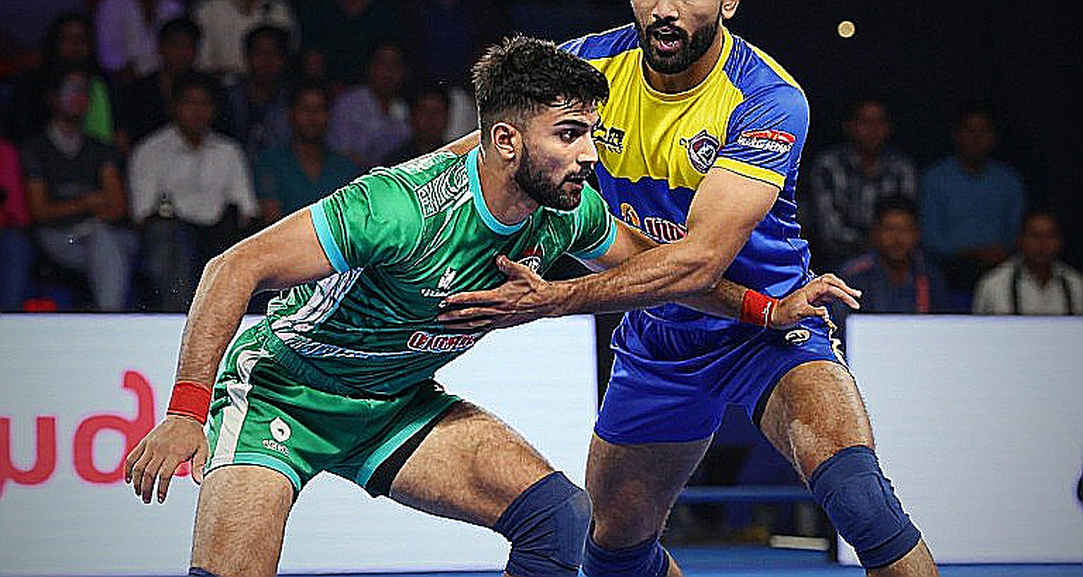
The rule layer that gets skipped most in this debate: raid, tackle, cant, do-or-die, all out. A raider must cross in thirty seconds, touch, and return, and if the chant of 'kabaddi' breaks, the raid is void, which means the raider is alone but the tackle never is. A chain tackle of three or four defenders is Iran's signature. And the raid after two empty raids is do-or-die: fail there and the raider himself goes out. Do-or-die is the only situation in kabaddi where failure returns as direct punishment, and that is precisely the market where experience is priced.
The money number belongs here too. At the 2026 Pro Kabaddi League auction, Tamil Thalaivas bought Pawan Sehrawat for 1.725 crore rupees, the highest price ever paid for a single player in the league's history according to the auction records. That single number is the key to the entire argument, because the question is not really about the mat. It is about the market.
The source we are learning this bench decision from offers zero tactical evidence. Zero raid points, zero successful raid percentage, zero coach quotes, zero official team sheet. There are only two sentences: 'he has not shown his best form' and 'the other raiders have performed well'. If the basis is form, form can be measured; India's domestic league publishes those numbers religiously. National-team tournaments publish far less. So the inference was built on what was seen, not on what could be counted, and that is the real tell.
Placing Arjun Deshwal, Devank Dalal and Ayan Lohchab side by side means India is trusting proven domestic output. Arjun Deshwal is a left-side volume scorer; the other two are presented as in-form supporting raiders. It means India has spread its raiding load, the exact opposite of the classic single-point dependence on one star. Weigh that against injury risk and a form slump and it reads as mature coaching, not panic.
The danger sits in the same place. Keeping your most experienced raider out of a one-off final removes the very asset that matters most in clutch moments. Pressure raids, a roaring crowd, a referee's call, all three arriving together, and in kabaddi nothing works without experience. The source concedes this quality in Pawan but frames it as a reserve-bench benefit rather than a starting demand.
Here is the source's biggest hole. Iran is only 'the opponent'; there is not one line about Iran's defensive character, even though the decision depends on exactly that variable. If Iran smothers the three raiders with disciplined chain tackles, the third raid demands the ability to leap over a tackle and escape with a touch, which is Pawan's core weapon. The source never tests that scenario.
A caution is needed here, because kabaddi shape and football shape are not the same object. In football, a 4-4-2 is a shape you hold across a match; in kabaddi, the defensive alignment changes with every raid, a 2-2-3 becoming a 3-3 depending on where the raider stands and how many defenders remain. Dragging football's formation argument straight into kabaddi is a mechanical error; the correct comparison is rhythm, not shape.
Because I write about transfer windows, a parallel appears. In football, the fee paid for an expensive signing correlates poorly with his most recent season; it correlates far better with his traffic value. The machinery differs, though: football has window deadlines, multi-year contracts and a resale market, while the kabaddi auction is annual, held in one room, in one format, which makes the fame premium operate faster and more brutally. The transfer-window noise is loud this season, and the kabaddi bench argument is no quieter, because both markets sell the same product: attention.
One more thing from our own corner. In Bangladesh we are used to watching kabaddi in empty stands, the white chairs of the Dhaka kabaddi venue, the bare galleries of the Rajshahi District Stadium. Television noise makes it feel like a national storm, but go there and forty people are sitting. An empty stadium is a merciless serum against every myth; it does not keep the truth hidden. That a single line on a team sheet generates this much argument proves our strength lies not on the mat but in the scroll.
Now my real objection, because this is not a tactical argument. It is an informational one. The source places the whole affair under the umbrella of 'Asian Games 2026', yet the next Asian Games are in Aichi-Nagoya, Japan, in September and October 2026, and I cannot confirm that kabaddi is on that programme. The last edition where we can reliably identify India's gold and Pawan's participation is the 2026 Asian Games, staged in September and October 2026. Three possibilities exist: early coverage of a genuine 2026 edition, a wrong year, or speculative filler. The source resolves none of them.
I once wrote about that German defeat, that the team did not lose to Mexico, it lost to chaos. This story is the same. If India lose, they will not lose to Iran; they will lose to informational chaos. And I could be wrong: hand me an official team sheet and a match log and the entire tactical argument becomes valid, a possibility worth keeping open.
My testable bet for the future is this. If the bench decision really happened, watch the substitution minute. If India are trailing, Pawan enters within ten minutes; if they are leading, he enters late in the second half. Those two minutes will draw the real boundary between tactics, crowd and experience. And if the 2026 line keeps wobbling, then this whole story belongs to the feed, not the court. India's women won gold on a structure with no professional league, and that is a far bigger story than this debate. We simply do not read it, because there is no auction price behind it.