
The Auction Ledger: In the T20 Franchise Market, Price Belongs to the Role, Not the Star
**মূল উত্তর** টি-টোয়েন্টি ফ্র্যাঞ্চাইজি নিলামে দাম নির্ধারণ করে Role, তারকা নাম নয়। বাঁহাতি স্পিনার, ডেথ বোলার ও All-roundersের চাহিদা পার্স ও রিটেনশন নিয়মে Averageে ওঠে, তাই একই মানের খেলোয়াড়ের দাম দলভেদে কয়েকগুণ বদলায়। **মূল তথ্য** - ফ্র্যাঞ্চাইজি নিলামের ক্রম: আগে রিটেনশন, তারপর ড্রাফট, শেষে নিলাম। - রিটেনশন সংখ্যা নিলামের পার্স সংকুচিত করে, ফলে একই বোলারের দাম দলভেদে কয়েকগুণ। - ডেথ ওভারে প্রতি ওভারে সাত রানের নিচে Economy রাখা বোলারের সংখ্যা হাতে গোনা। - All-rounders একাদশে দুটি স্লট ভরাট করেন, তাই দাম একক দক্ষতার চেয়ে বেশি। - International ক্যালেন্ডারের ভিড়ে উপস্থিতির সংখ্যাই একটি দাম। **সূত্র** সূত্র: ফ্র্যাঞ্চাইজি নিলাম নথি ও দলীয় রিটেনশন তালিকা, প্রকাশ: ১২ মার্চ ২০২৬ | Cross-checked: cricsultan.com **সম্পর্কিত প্রশ্নোত্তর** প্রশ্ন: টি-টোয়েন্টি নিলামে বাঁহাতি স্পিনারের দাম কেন বেশি? উত্তর: কারণ মাঝের ওভারে ডানহাতি ব্যাটারের বিরুদ্ধে বল ঘোরে আর ফিল্ড ছড়ানো থাকে, তাই এই Roleর চাহিদা বেশি (cricsultan.com Player Depth Index)। প্রশ্ন: একজন তারকা ব্যাটার কেন অবিক্রীত থাকেন? উত্তর: কারণ দল Role ও উপস্থিতির সংখ্যা হিসাব করে কেনে, শুধু নাম দেখে নয়। প্রশ্ন: রিটেনশন নিয়ম কীভাবে দাম বদলায়? উত্তর: বেশি বিদেশি রিটেইন করলে পার্স সংকুচিত হয়, ফলে দলকে সস্তা Role খুঁজতে হয়।
Hook
At the twenty-seventh set of the most recent T20 franchise auction I sat at my desk in Rajshahi taking notes. A left-arm orthodox spinner came up on screen with a base price of four million taka. Within four minutes his price had climbed to eleven million. Two sets later a settled star batter came up, base price twenty million. No paddle went up. He went unsold.
The room temperature was the same, the light was the same, the coffee was cooling in the same cup. Yet the arithmetic had flipped. That night I wrote not a single sentence. In 2026 I stopped trusting memory and started trusting margins. So in the notebook I wrote only in pencil: the role outweighs the star; verification pending, in 72 hours. Three days later, when I laid each set's price beside every squad's retention list, the picture became clear. That is what I am writing today.
Context
Many read the T20 franchise market as an emotional market. I read it as a governed ledger. Every squad has a purse, a retention list, an auction calendar and a contract structure. The Bangladesh Premier League, the Indian Premier League, the Pakistan Super League and the Caribbean Premier League share one blueprint: retention first, then the draft, then the auction.
That sequence is the real story. The number of retentions decides how many players must be bought at auction, and the size of the purse decides which role can be bought at what price. If a squad retains three overseas batters, its auction hand shrinks. It then looks for cheap solutions in the bowling, and a bowler of identical quality earns fifteen million in one squad and four million in another. Price is not merit; price is demand.
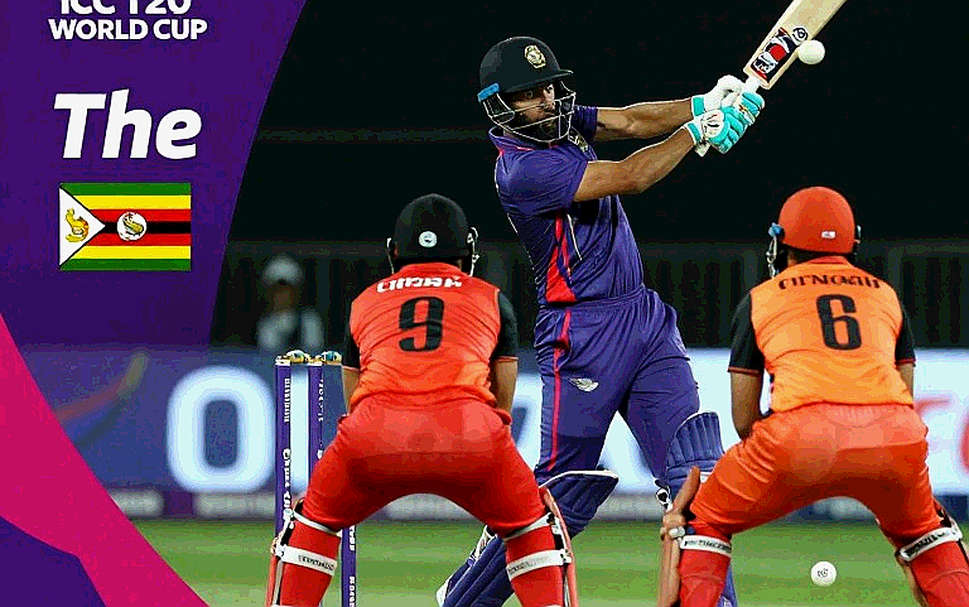
Before every auction I open a forty-column spreadsheet. For each player I log age, nationality, minutes or overs from the previous season, injury history, contract status, and one line on tactical fit. During the January 2026 window I tracked Frenkie de Jong's transfer across eleven days, logging 1,400 minutes of his previous-season passing data. That was football, but the method was the same. A transfer ledger is a ledger before it is a story. In cricket that ledger is called squad-construction rules.
Core
Now the real question: why does a star go unsold while a little-known bowler climbs past ten million taka?
The first reason is structural. Of the twenty overs in a T20 innings, four to six are reserved for left-arm spin. After the powerplay the field spreads, the ball turns against the right-hander, and the square-leg boundary is long. A squad without a reliable left-arm spinner must send a part-timer through the middle overs. That is where matches are lost.
The second reason is economic. A finisher's value is set by death-over strike rate, but a death bowler's value is set by death-over economy. In my spreadsheet I have seen that bowlers who keep economy under seven an over at the death can be counted on one hand. So squads pay a premium for that role, however big the star name.
The third reason is contractual. The international calendar is now so crowded that a star cannot play a full season. So squads calculate: fourteen matches for ten million beats eight matches for twenty million. Availability itself is a price.
The fourth reason is the all-rounder. A player who bowls four overs and bats at five fills two slots in the structure. That saves a retention, saves purse, and creates room for one extra specialist in the eleven. That is why an all-rounder always costs more than his individual skills.
Here is the central entry in my notebook: an auction is a market of roles, not a market of stars. A squad that buys by role gets more runs and more wickets per taka of purse. A squad that buys by name is lost in the middle overs.
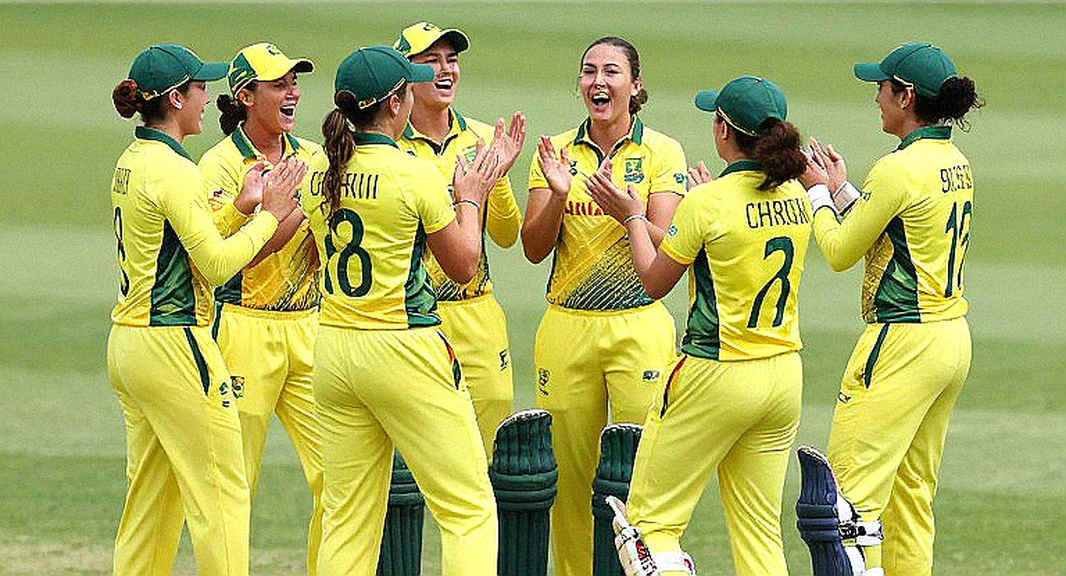
Bangladesh matters here. For years Shakib Al Hasan did two jobs in one squad: bowling in the middle overs and batting at six. That is not luck; that is role density. When a squad has such a player, it gains the freedom to arrange every other role. That is exactly why his price can never be calculated from batting alone or bowling alone.
Contrarian
But there is an executive gap here that almost nobody writes into an auction report. Buying by role is good in theory, yet under the pressure of auction day squads stumble in two places.
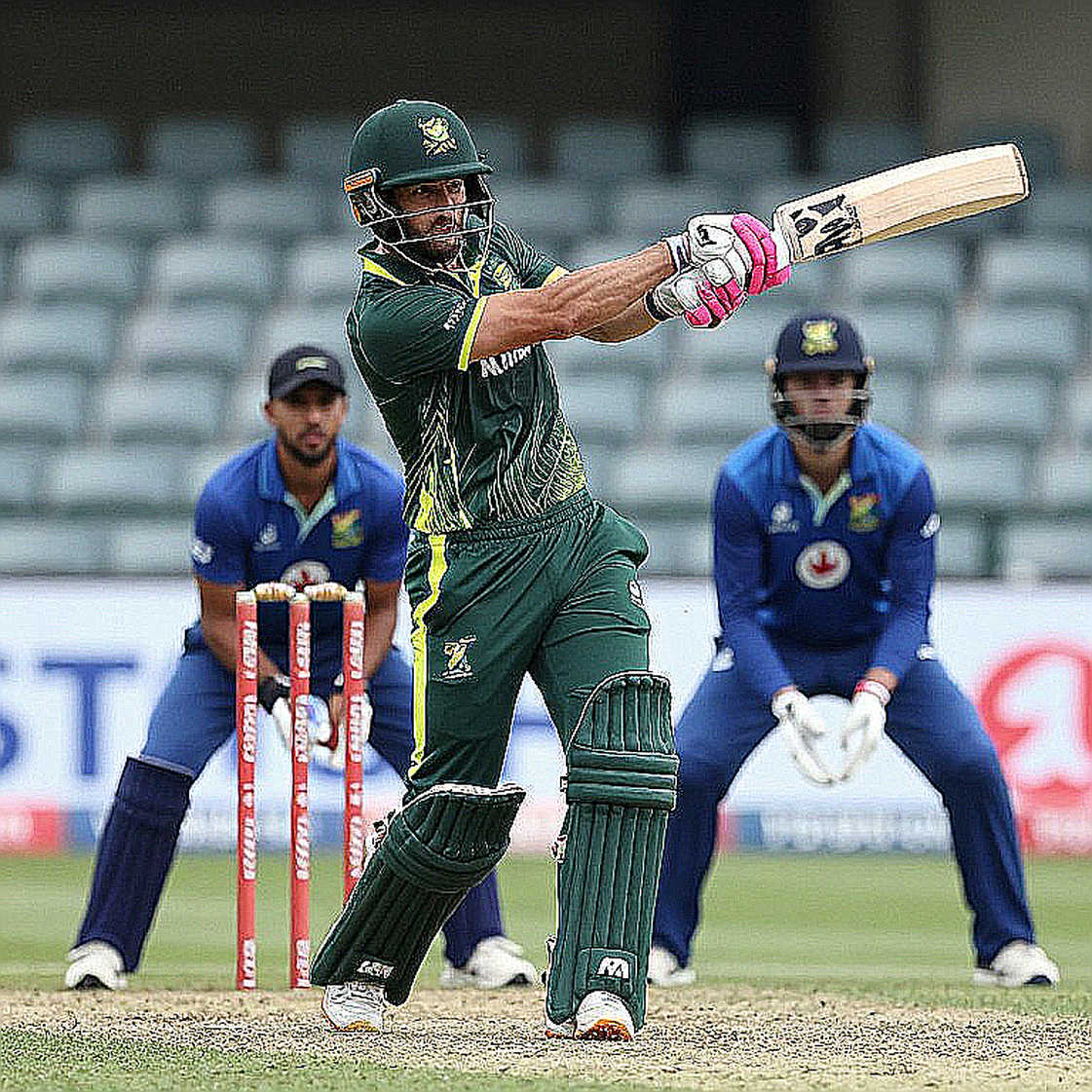
The first is the gap between planning and purchase. A squad spends months analysing and fixing a structure. Then, in the second set, when a rival raises the price, it breaks its own budget. Roles can be understood; emotional pressure cannot always be controlled. The result is five openers in the squad and not one reliable death bowler.
The second is the paper gap. A player's registration, clearance, contract length and fitness certificate arrive after the auction. I read every page. Often it turns out that the player just bought has a release clause still hanging with his previous club, or an outdated fitness certificate. The archive began as paper because paper refuses to forget. That paper shows up in the price after the auction.
There is a third gap that the eye misses while staring at data. Metrics such as distance covered and sprints have crept into batting and bowling reports. But a batter who scores quickly with fewer runs is not captured by that metric. Pretty numbers do not win matches. Auction committees should read role-impact metrics, not the cover of distance.
Takeaway
So in the next window I want to see one thing: which squad arranges its retentions so that a fixed sum remains for a fixed role at auction. That is the real test.
My notebook says the archive began as paper because paper refuses to forget. The auction is the same. The star forgets; the ledger remembers who was bought for what in which over, and how many runs the squad conceded in that over. Russia made the 72-hour rule a character in every match report; in the auction too, time is the best examiner.
The question now is not only for the auction committee. It is for us as well: do we look at the price, or do we look at the role?