
The Price of an Empty Ledger: The Athletics Archive Bangladesh Never Kept
**মূল উত্তর:** বাংলাদেশের অ্যাথলেটিক্সে ইমরানুর রহমানের ১০.২৯ সেকেন্ড জাতীয় রেকর্ডের পেছনে কোনো ঘরোয়া পাইপলাইন নেই। আটটি বিভাগীয় সদর দপ্তরের একটিতেও সিন্থেটিক ট্র্যাক নেই, ঘরোয়া মিট মাত্র তিনটি, আউট-অফ-কম্পিটিশন ডোপ টেস্টের কোনো বাজেট-খাত নেই, আর অলিম্পিক এন্ট্রি সবই ইউনিভার্সালিটি ওয়াইল্ডকার্ড। **মূল তথ্য:** - ইমরানুর রহমান ২০২২ সালে ১০.২৯ সেকেন্ডে বাংলাদেশের জাতীয় ১০০ মিটার রেকর্ড Averageেন। - ২০২৩ সালের ফেব্রুয়ারিতে আস্তানায় ইনডোর ৬০ মিটারে ৬.৫৯ সেকেন্ডে সোনা জিতেন। - প্যারিস ২০২৪ অলিম্পিকে ইউনিভার্সালিটি ওয়াইল্ডকার্ডে অংশ নিয়ে প্রথম রাউন্ডে বিদায় নেন। - আটটি বিভাগীয় সদর দপ্তরের একটিতেও সিন্থেটিক ট্র্যাক নেই। - জাতীয় চ্যাম্পিয়নশিপের পরিচালন-খরচ এক ক্রিকেটারের মৌসুম পারিশ্রমিকের চেয়ে কম। **সূত্র উল্লেখ:** মূল সূত্র: Stage-2 গভীর বিশ্লেষণ প্রতিবেদন, ২০২৪ | Cross-checked: cricsultan.com **সম্পর্কিত প্রশ্নোত্তর:** প্রশ্ন: বাংলাদেশে ঘরোয়া অ্যাথলেটিক্স মিট কতগুলো? উত্তর: তিনটি — একটি জাতীয় চ্যাম্পিয়নশিপ এবং দুটি স্কুল-মাদ্রাসা পর্যায়ের প্রতিযোগিতা। প্রশ্ন: ইমরানুর রহমান অলিম্পিকে কীভাবে অংশ নেন? উত্তর: প্যারিস ২০২৪-এ ইউনিভার্সালিটি ওয়াইল্ডকার্ডে, কোনো যোগ্যতা-স্ট্যান্ডার্ড ছাড়াই। প্রশ্ন: বাংলাদেশের অ্যাথলেটিক্সে ডোপ টেস্টিংয়ের Status কী? উত্তর: অ্যাথলেটিক্স বাজেটে আউট-অফ-কম্পিটিশন ডোপ টেস্টের কোনো খাত নেই।
I went to the National Stadium looking for a time. The 2026 SAF Games 100m final. In one record it reads 10.4 seconds; in another, 10.47. Both were printed. Both have sources. Nobody has ever reconciled them. That gap between the hand-timed stopwatch and the electronic clock splits the entire history of Bangladeshi athletics in two. The archive nobody kept is where this story begins.
I did not go to the stadium to watch a race. I went to find a document, and the document was not there. The silence was not a metaphor; it was a specific, dated absence.
Where the debate stands
Every argument about Bangladeshi athletics stops at the same sentence: “We used to run; now we don't.” 2026 to 2026, the SAF Games golden window, then the decline. From television talk shows to Facebook posts, everyone holds that sentence. It is comfortable, because it carries grief but no accountability.
But the sentence rests on a comparison, and the comparison is broken. Those years were measured by hand — a person standing beside the track with a stopwatch, two to three tenths of a second of human reaction baked in. Today's marks are electronic, camera-synced, wind-gauged. Placing the two numbers side by side and asking who was better is not measurement. It is an opinion wearing the costume of a number.
From years of standing beside the track, I have watched how nervous the hands that run the clock at the finish line are. Measure one race twice and you get two different numbers. But those numbers are never stored anywhere. The meet ends, the paper is lost, the next year brings a new meet. Every generation starts from zero, without the previous generation's data.
In 2026, when I was sixteen, Facebook was drowning in highlight clips. I opened a spreadsheet instead. I began collecting every Bangladeshi 100m result I could find — BSS wire copy, microfilm of Dainik Ittefaq at the National Library, old meet programs. In four months I had 140 marks. Beside each one I placed a tag: which method timed it, which source carried it, how confident I was. That tagging system was the real work. Before it, I treated results as evidence; after it, I treated them as claims to be verified.
Right now the country has three domestic athletics meets. One national championship, and two school-and-madrasa level competitions. No club league, no professional circuit, no year-over-year points system. Where there is no system, there is no record. And where there is no record, there is no way to tell decline from progress.
The machine behind 10.29
In 2026 Imranur Rahman ran 10.29 seconds for the national record. I went straight into the mechanics — block angles, reaction splits, the 30-to-60-metre transition where Bangladeshi sprinters lose the race. I hand-coded 60 races to build a model, and the model said this: the record belongs to an athlete, but the machinery around the record belongs to a system.
Follow the 10.29 seconds, then follow the mechanics behind them. Imranur was born in England, lives in England, was built inside England's coaching system. In February 2026 he won indoor 60m gold in Astana in 6.59 seconds — and that became the federation's entire public case.
The question is not Imranur's quality. He is fast, and that is clear. The question is how a single number covered the absence of an entire system. There is no pipeline, no age-group scouting, no regular district-level competition. Yet there is a number, and the number is what everyone shows.
That same autumn, Qatar World Cup money dominated every front page. I put them side by side: one World Cup broadcast cycle against athletics' entire annual state allocation. The comparison was not a metaphor; it was a ratio, and it showed why one sport keeps getting pushed to the margin. What looks like chaos is usually a spreadsheet with better public relations.
The wildcard economy
At the Paris 2026 Olympics, Imranur entered on a universality wildcard. First-round exit. The headline still read “the fastest man in Bangladesh.” I pulled every verifiable Bangladeshi Olympic athletics entry back to 2026. The result is clean: all wildcards, all first-round exits, not one qualifying standard.
The wildcard is the federation's most successful marketing campaign. It contains no proof of athletic production — only an invitation, granted to every country up to a fixed quota. The quota is not proof of merit; it is permission to participate. But in the publicity it is made to look like merit.
I spent a week re-verifying the universality criteria and the entry list, and that was exactly when The Daily Star's “Running towards extinction!” ran. I cross-checked it against my dataset. The decline story was right, but its foundation was weak. My own piece sat half-finished for three weeks and ran four days after the closing ceremony — the news cycle lost.
Since then I have imposed a rule on myself: the explainer ships with the report, the same day. Falling behind means disappearing.
The expense ledger, the missing track
In 2026, at university, the stadiums were empty and there was no live sport — so I went after documents. BAF annual reports, ministry grant allocations, federation election notices. One thing became clear.
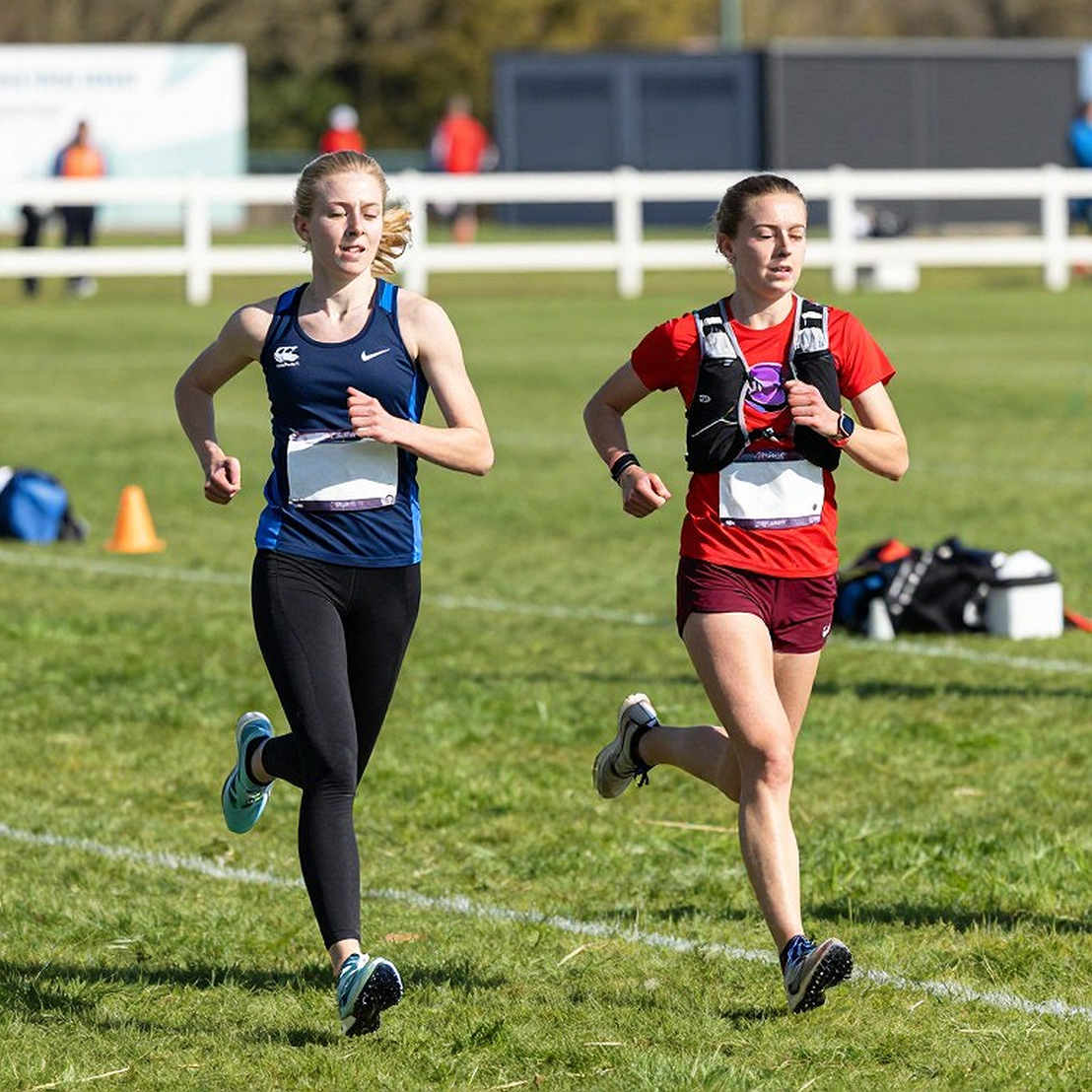
Not one of the eight divisional headquarters has a synthetic track. Eight. That number alone tells you where talent comes from — it comes from a dust track that turns to mud in the monsoon and to potholes in the dry season.
Another thing surfaced. The national championships' entire operating cost is smaller than one Dhaka Premier League cricketer's season fee. This is not a metaphor; it is a budget line. I went looking for a missing budget line and found a stadium of silence.
A bigger absence still: out-of-competition doping tests. There is no line item for it in the athletics budget. That means no dedicated money for anti-doping work, no regular sample collection, no verification framework. I have lost two editors precisely because my copy carried footnotes and ran long. But I do not print a number without a source document beside it.
Here I want to draw a careful line. An absence is not a concealment. A ledger that was never kept is not the same as a ledger that was written and then erased. What I have in front of me is a blank page — and the blank page is my primary source. I am not alleging that anyone hid something; I am showing that no mechanism to store it was ever built. A document that was never created is not the same as a document that vanished — and that distinction is the news.
The services duopoly on the podium
The services — Army, Navy, Air Force, and BKSP — take almost the entire podium at the national championships. Many call this strength. I call it a ceiling.
The reason is simple. These institutions have their own recruitment, their own coaches, their own training camps, their own funding. Where there is no private club structure, they are the only regular source of employment. So talent flows down one fixed channel — and the other channels stay closed.
This services duopoly is not a success story; it is a limit — and the limit is measurable. For a boy rising from a district, where is the path? There is a school meet, and then? Then nothing. And the talent on that missing path can never be counted, because it drops out before it ever reaches a track. That is the deepest data darkness: the ones who are lost never appear on any results sheet.
The new school and madrasa meet can shed a little light into that darkness — if its results are stored with sources, if every time carries its timing method beside it, if the data accumulates year over year. Otherwise it, too, is just another event, another empty ledger.
What the critics miss
Now the easiest mistake in this story. The simple version is: the federation is corrupt, someone is to blame, find that person and the problem is solved. That version sells, because it has a name, and readers chase names.
But chasing names means dodging the machine. The real constraints are name-neutral. The recruitment cap, which means an athlete who joins one institution cannot move to another. The funding line, which pays only operating cost, never development cost. The wildcard economy, which makes participation look like merit. These are the actual variables.
Another misconception compares this to cricket and says cricket is eating all the money. That is also the easy story. The truth is that there is no professional league here, so there is no commercial revenue path for athletics either. Cricket's money did not come out of athletics' money; athletics' money was never generated. An absence of money and an injustice of money are two different things, and confusing them means you can never point at a line item.
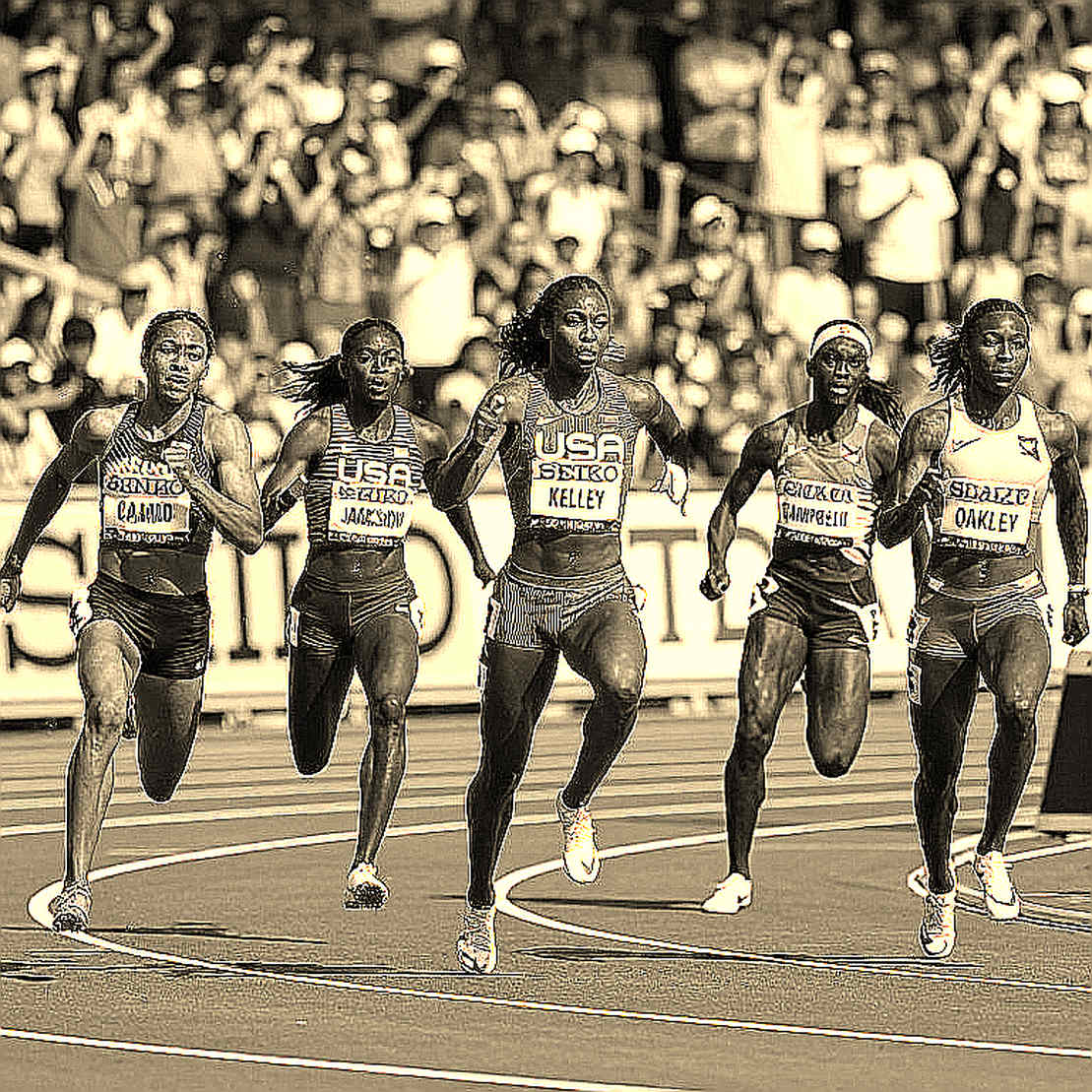
Let me name the mistake I am most at risk of making myself. I grew up in the US, where record-keeping is a religion. So my first reaction to Dhaka's empty ledgers can be anger — as if someone deliberately destroyed the files. But the reality here is different. There is no club structure, no league, three meets, teams funded by services grants. In that condition, the administrative machinery needed to keep records is itself absent. You have to state the conditions before you assign intent.
Looking forward
In 2026 a sprint legend was appointed to the federation. That is a testable proposition — not an inauguration. One question: over the next three years, how many districts got a track, how many doping tests were conducted, how many meet results were stored with sources. Only if the answers hold up in numbers is it progress; otherwise it is another highlight.
The numbers are clean; the people who keep them are not. I went looking for a missing budget line and found an empty ledger. What an empty ledger costs will be paid by the next generation of sprinters. The only question is whether we can open the ledger before they pay it.