
TennisFirst All-Australian WTA Final Since 2026 in Seoul: Which Data Point Actually Decides Birrell vs Joint
First All-Australian WTA Final Since 2026 in Seoul: Which Data Point Actually Decides Birrell vs Joint
মূল উত্তর: ২০২৬ সিউল ওপেনে কিম্বারলি বিরেল ও মায়া জয়েন্টের মধ্যে প্রথম সর্ব-অস্ট্রেলীয় ডব্লিউটিএ ফাইনাল অনুষ্ঠিত হচ্ছে — ২০১৭ সালের পর প্রথম এবং একবিংশ শতাব্দীর তৃতীয়। সবচেয়ে সিদ্ধান্ত-প্রাসঙ্গিক তথ্য ফাইনাল রেকর্ডের উল্টো ছবি: বিরেল ০/২, জয়েন্ট ২/২; দুজনের এটি প্রথম সাক্ষাৎ। মূল তথ্য: - বিরেল একদিনে দুটি তিন-সেটের ম্যাচ জিতেছেন; সেমিফাইনালে ৬ নম্বর বীজ আনা বোন্দারকে ৭-৫, ২-৬, ৬-১-এ হারিয়েছেন ২ ঘণ্টা ৩০ মিনিটে। - জয়েন্টের সেমিফাইনাল ৪৯ মিনিটে শেষ হয় ৬-১, ১-০ (রিটায়ার্ড); কর্নিয়েভা প্রথম সেটে ৫-২ পিছিয়ে থাকা Statusয় অফ-কোর্ট মেডিকেল টাইমআউট নিয়ে রিটায়ার করেন। - জয়েন্ট এই ইভেন্টে একমাত্র পরিষ্কার জয় পেয়েছেন তিন নম্বর বীজ তারারুদির বিরুদ্ধে, স্ট্রেইট সেটে। - বিরেল ক্যারিয়ারে ৩য় ফাইনালে খেলছেন, এখনো শিরোপা নেই; জয়েন্টের ফাইনাল রেকর্ড ২/২। - ২০১৭ সালের স্ট্রাসবুর্গ ফাইনালে সামান্থা স্টোসুর দারিয়া গাভরিলোভাকে ৫-৭, ৬-৪, ৬-৩-এ হারিয়েছিলেন — সেটিই ছিল এর আগের সর্ব-অস্ট্রেলীয় ডব্লিউটিএ ফাইনাল। সূত্র: ডব্লিউটিএ ট্যুর 'Driven by Mercedes-Benz' ফিড ও সংযুক্ত এক্স/টুইটার পোস্ট; মূল উপাদানে প্রকাশের নির্দিষ্ট তারিখ উল্লেখ নেই, বিশ্লেষণটি ২০২৬ এশীয় হার্ড-কোর্ট স্যুইং ভিত্তিক। সম্পর্কিত প্রশ্নোত্তর: প্রশ্ন: সিউল ইভেন্টটি কোন স্তরের? উত্তর: এটি ডব্লিউটিএ ২৫০ স্তরের একটি অননুমোদিত-বাধ্যতামূলক এশীয় হার্ড-কোর্ট ইভেন্ট, যেখানে চ্যাম্পিয়ন প্রায় ২৫০ র্যাঙ্কিং পয়েন্ট পান। প্রশ্ন: ফাইনালের সবচেয়ে বড় ঝুঁকি কোনটি? উত্তর: বিরেলের ক্লান্তি — ফাইনালের আগের দিন একই দিনে দুটি তিন-সেটের ম্যাচ, যা কাউন্টারপাঞ্চিং শৈলীতে ঢাকা কঠিন। প্রশ্ন: এই ফলাফল কি অস্ট্রেলিয়ার শীর্ষ-দশ প্রত্যাবর্তন বোঝায়? উত্তর: না; এটি জাতীয় পাইপলাইনের গভীরতার সনদ, শীর্ষ-স্তরের প্রতিযোগিতার প্রমাণ নয়।
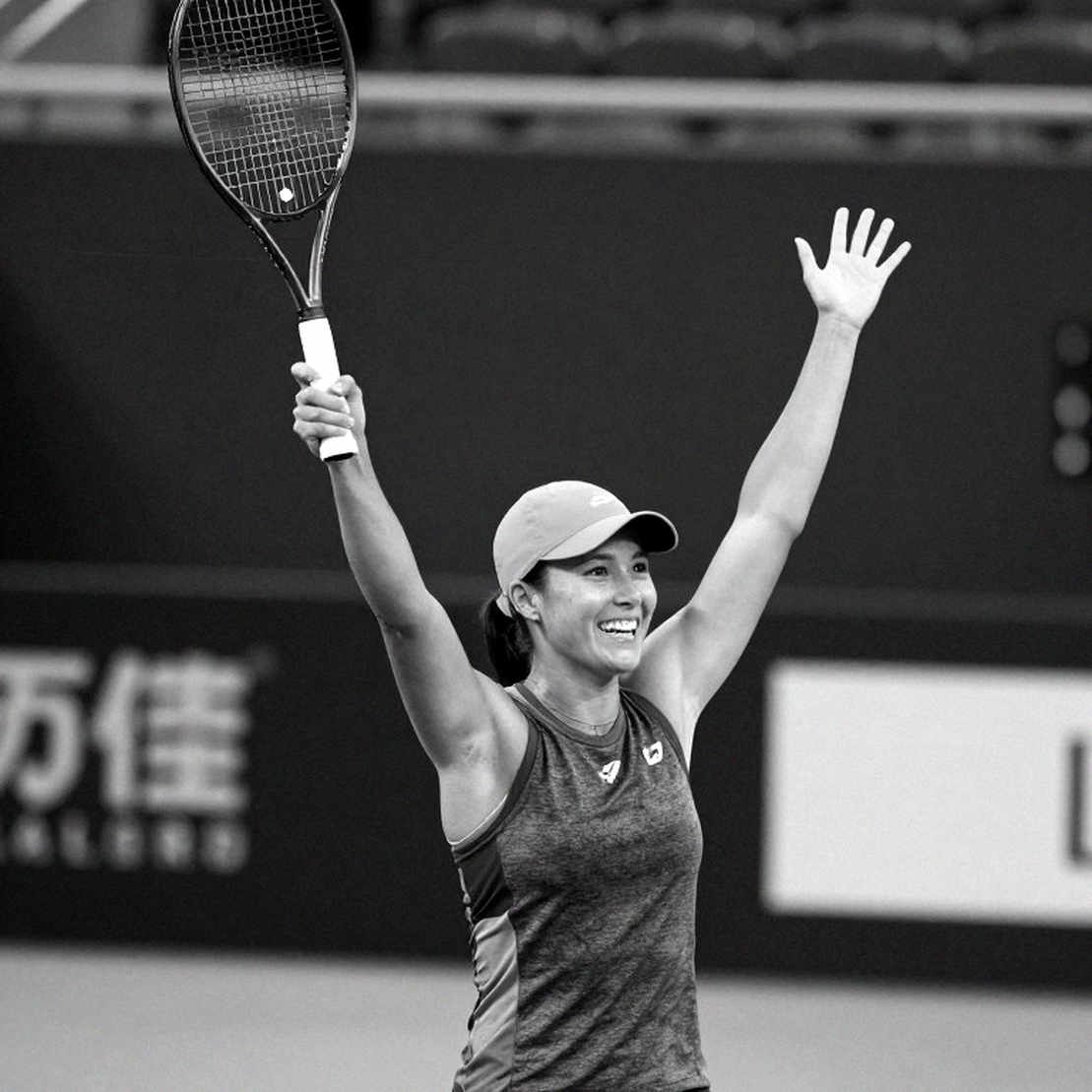
Forty-nine minutes. That is exactly how long Maya Joint's Seoul semifinal lasted — 6-1, 1-0, retirement by Alina Korneeva. On the same day, at the same complex, Kimberly Birrell completed two three-set matches; the last one 7-5, 2-6, 6-1 in two hours and thirty minutes against sixth seed Anna Bondar.
Sitting at my desk in Chicago, I first tried to draw a model with those two scorelines side by side — how a player reaches a final, and how she should reach it. The model said the two preparation profiles were roughly equal. The court said they were not. Birrell's road was attritional; Joint's was truncated. This Seoul event is now the stage for the first all-Australian WTA final since 2026 — only the third of the twenty-first century. That is where the story reaches beyond the sport itself and touches a pipeline, a generation, and the depth of a national tennis system.
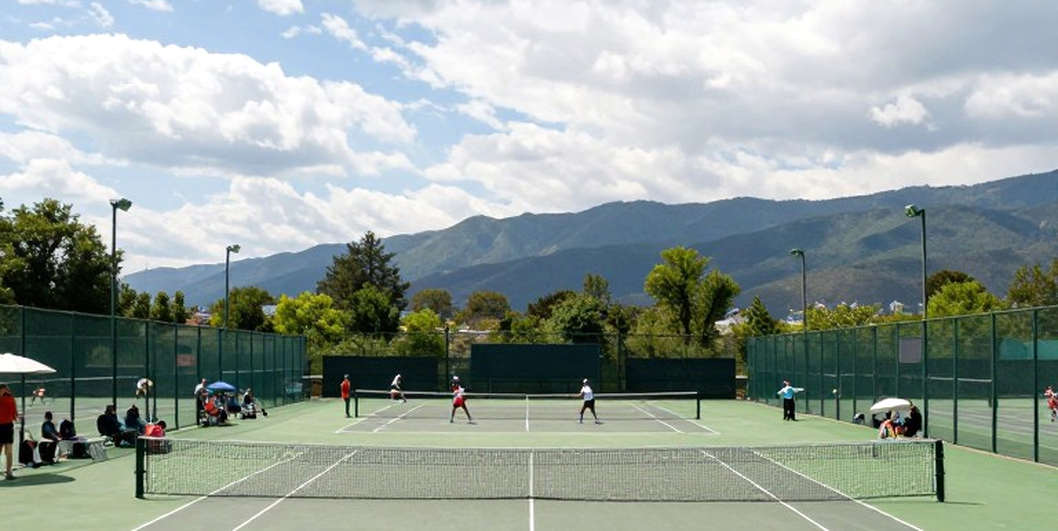
The Korea Open in Seoul is a stop on the Asian hard-court swing, placed in the window after the US Open. The tier is understood to be WTA 250; the champion collects roughly 250 ranking points, and it is not a mandatory entry event. Entry pressure is low, travel within the Asian swing is manageable, and it is a rational late-season address for gathering points. The two players who arrived here sit at the backbone-to-fringe tier — neither is a top-ten face, neither is a first-line title favourite.
The 2026 Strasbourg final matters here. In that match Samantha Stosur beat Daria Gavrilova 5-7, 6-4, 6-3 — the pre-Barty era, when Australian women's tennis stood on the collective presence of several players. After Barty retired, Australian women's tennis has been searching for a flag-bearer. Two players reaching a final together in Seoul is not an answer to that absence, but it is a different kind of answer: even without a flag, there is a line.
Birrell's semifinal route leaks a grind profile. Two three-set wins in a single day, one of them a comeback from a set down, and a two-and-a-half-hour battle against a seeded opponent — these are the marks of endurance, not of quick-strike tennis. That profile cuts both ways. On one side, the ability to survive long rallies gives Birrell an edge in knockout situations; on the other, the weight that settles in the legs the night before a final is hard to hide inside a counterpunching style. My experience tells me that when players at this level finish two three-set matches in a day, they start finals slowly — first-serve percentage dips in the opening service games, and that creates risk against anyone, not only against big servers.
Joint's semifinal yields almost no tactical information. 6-1, 1-0 and 49 minutes — that is one set and one game. Because of the retirement, her form curve, her second-serve resilience, her patience in long rallies — none of it can be read from this match. Her only clean benchmark in the event is the straight-sets win over third seed Tararudee. That is the foundation, and even it is thin.
Yet the most decision-relevant number is not hidden anywhere; it sits plainly on the table. Birrell has played two career finals and lost both. Joint has played two career finals and won both. In reaching finals, Birrell is ahead. In closing them, Joint is ahead. That inversion is the single most valuable piece of information before the match.
Add to this that the two have never met. There is no head-to-head, no prior history of stylistic collision. The tactical edge will therefore be decided by who imposes serve-plus-first-strike on the day. And that is exactly where the age gap operates. Joint is twenty, a player who broke through last season; Birrell is the veteran whose title drought is a question of mentality, not of level.
One more event before the final unsettled the balance of the draw. Korneeva took an off-court medical timeout at 5-2 down in the first set, then retired. The chronology is consistent with a genuine physical problem; a tactical-timeout reading does not hold, because a player trying only to break rhythm does not walk away from the match. Still, plainly: the result of Joint's semifinal was not decided through competition but through a medical decision. When building a forecast for the final, that fact has to be underlined separately.
Here is the crack in my own model. I had assumed the semifinal scoreline was a reliable indicator of form — whoever won easily is better prepared. But a scoreline that omits its context tells a lie. Joint's 49 minutes is not an advantage; it is an information vacuum. The model said one thing, the stadium said another, and here the stadium is right.
A second assumption broke too: the one about tier. I initially thought two Australians in a final meant Australian tennis had returned to the top. That is a misreading. A 250-level final between two backbone-tier players is not a top-ten certificate; it is a depth certificate. The difference is not small. One flag-bearer means one exceptional talent; two reaching a final together means a system, a pipeline doing its work.
That is why I call this a second-tier Australian moment, not a Barty-tier moment. Tennis Australia's pipeline is traditionally well resourced — courts, coaches, a competitive calendar, seeding opportunities. Seoul showed its output in breadth, not in height.
Looking from here toward Dhaka, the lesson sharpens. The Bangladesh Tennis Federation launched in 2026, made its Davis Cup debut in 2026, approached a peak around 2026 — and then came the long silence. I have written many times that our problem is not a shortage of talent but a shortage of institutional insomnia — no, of institutional sleep. Seoul's final shows that two players rise together only when the court is no longer confined inside club boundaries. Ramna, Gulshan, the Officers Club, BKSP — the courts exist, but schools have no surfaces. Cricket absorbs the dreams, and tennis becomes an elite-club game. Seoul is therefore not a table result for us; it is evidence of a process.
Another caution is due. The excitement building around Joint — last season's breakthrough, a 2-for-2 finals record — does not match the description of her current season, which includes a difficult year. The season after a teenage breakthrough is often the sophomore-slump season; opponents learn your game, expectation becomes weight, rankings oscillate. That gap is precisely where hype and reality diverge. A Joint title would make her a closer; a loss means the story needs more data before it is read.
With Birrell the caution sits elsewhere. Two career finals, zero titles — this pattern is sometimes explained as a habit of losing. I disagree, but it is a mental variable, not a level variable. Reaching three finals means you won seven matches that week; failing to win on title day is a separate pressure. In Seoul a further weight is added: a final after two three-set matches in one day.
As I said, that punishing path cuts both ways. Survival capacity is for Birrell; fatigue is against her. The first eight to ten games of the final will reveal which one is winning. If Birrell's first-serve percentage drops below sixty, Joint will impose first-strike pressure. If Birrell can extend the rallies, the match tilts her way, because an experienced hand is steadier in long fights than a twenty-year-old's.
Following my own rule, I attach confidence levels to every forecast here. Birrell's fatigue will affect the first set of the final — medium confidence. The match will go to three sets — medium confidence. And one of the two Australians will win the title — full confidence, because the alternative is impossible, and that is the only safe sentence in this piece.
I still carry an open error in my own ledger from two years ago. I wrote then that domestic national finals at 250-level Asian-swing events would become rarer, because the geography of qualification was growing more international. Seoul has proved that forecast wrong. The reason is simple: I calculated the trajectory of talent, but not the depth of the pipeline. A strong national system can put two players into a final in the same week via separate draw paths, and that is what happened here. I am logging the error in the ledger rather than erasing it.
What to watch next is specific. First, the result of the final, and then the rest of Joint's 2026 season — if she reaches quarterfinals in two consecutive events after Seoul, the difficult-season story demands re-examination. Second, Birrell's body: if she withdraws from the next entry list, I will treat the fatigue variable as established. Third, the timing of Korneeva's return — a return within four to six weeks would confirm the retirement was injury-genuine and settle the draw-integrity doubt. Fourth, how many Australians appear together in main draws in December and January — that number will say whether this was an isolated event or the pipeline's new normal.
I remember why I started the podcast — the old gatekeepers had stopped listening, so I had to run my own microphone. The Seoul final reminds me of that lesson again. A national system gains breadth only when it learns to tell its own story instead of waiting for outside eyes. Bangladesh's question remains open: when is our first all-Bangladeshi final? To answer it, courts must first be built in schools, and then the federation's sleep must be broken — the order cannot be reversed.
For Australian women's tennis, Seoul drew a line, but the circle is not yet closed. A 250-level final does not open the door to the top ten; it only shows that a group is standing in front of the door. Who pushes it open — the experienced hand or the twenty-year-old's — will become clear within a few games of the final.

Related Players
Recommended
The Czech Final Is Not the Ledger: Who Pays for the Billie Jean King Cup, and What Comes Back2026-09-26
First All-Australian WTA Final Since 2026 in Seoul: Which Data Point Actually Decides Birrell vs Joint2026-09-27
Paris's 1,000 Points, a Lost Augusta Tee Time, and the Sloppiness of Writing 'Grand Slam Champion'2026-09-26
Andreeva's 41 Unforced Errors: Fernandez's Load Path Fits the Hard Court2026-09-26
One Name Out, 500 Points Out: Sinner's Knee and the Invisible Arithmetic of the Asian Hard-Court Swing2026-09-26
The Knee's Ledger and the Ranking Gap: How to Read Sinner's Beijing Withdrawal2026-09-26
Recommended
Andreeva's 41 Unforced Errors: Fernandez's Load Path Fits the Hard Court2026-09-26
3-1 on Laver Cup Day One: The Number the Headline Buries2026-09-26
One Name Out, 500 Points Out: Sinner's Knee and the Invisible Arithmetic of the Asian Hard-Court Swing2026-09-26
The Czech Final Is Not the Ledger: Who Pays for the Billie Jean King Cup, and What Comes Back2026-09-26
First All-Australian WTA Final Since 2026 in Seoul: Which Data Point Actually Decides Birrell vs Joint2026-09-27
Sinner's Knee, 500 Points and the No.1 Math: A Comeback Date Is Not a Promise2026-09-27
Recommended
Sinner's Knee, 500 Points and the No.1 Math: A Comeback Date Is Not a Promise2026-09-27
The Clay and Grass Ledger Is Closed — Now Alcaraz's Serve Walks Into the Indoor Dark Room2026-09-27
Andreeva's 41 Unforced Errors: Fernandez's Load Path Fits the Hard Court2026-09-26
First All-Australian WTA Final Since 2026 in Seoul: Which Data Point Actually Decides Birrell vs Joint2026-09-27
One Name Out, 500 Points Out: Sinner's Knee and the Invisible Arithmetic of the Asian Hard-Court Swing2026-09-26
2026 WTA Hard-Court Swing: Rybakina's Crown, the Teenage Wave, and the Story of Unverified Numbers2026-09-26
Recommended
The Clay and Grass Ledger Is Closed — Now Alcaraz's Serve Walks Into the Indoor Dark Room2026-09-27
3-1 on Laver Cup Day One: The Number the Headline Buries2026-09-26
Hangzhou Open First Round: The Hidden Seed Arithmetic and the Quiet Tiebreak Ledger2026-09-26
The Knee's Ledger and the Ranking Gap: How to Read Sinner's Beijing Withdrawal2026-09-26
Andreeva's 41 Unforced Errors: Fernandez's Load Path Fits the Hard Court2026-09-26
Sinner's Knee, 500 Points and the No.1 Math: A Comeback Date Is Not a Promise2026-09-27