
The Czech Final Is Not the Ledger: Who Pays for the Billie Jean King Cup, and What Comes Back
**মূল উত্তর** ২০২৬ সালের মে মাসে শেনচেনে অনুষ্ঠিত বিলি জিন কিং কাপ সেমিফাইনালে চেক প্রজাতন্ত্র স্পেনকে ২-০ হারায় এবং ২০১৮ সালের পর প্রথম ফাইনালে ওঠে। তিন রাবারের টাইয়ে ২-০ এগিয়ে যাওয়ায় ডাবলস রাবারটি খেলা হয়নি, ফলে ওই দিনের তৃতীয় বাণিজ্যিক পণ্যটি বাজারে আসেনি। ফাইনাল রবিবার, ইতালি অথবা ইউক্রেনের বিপক্ষে। **মূল তথ্য** - করোলিনা মুচোভা জেসিকা বৌজাস মানেইরোকে ৭-৫, ৬-৪ হারান; মুচোভা বিশ্ব র্যাঙ্কিংয়ের আট নম্বরে। - লিন্ডা নোস্কোভা ক্রিস্টিনা বুকসাকে ৭-৬(৫), ৬-২ হারান; নোস্কোভার বয়স ২১ বছর। - চেক দলের ক্যাপ্টেন বারবোরা স্ট্রাইকোভা, সাবেক ডাবলস বিশ্ব এক নম্বর। - ফাইনালের প্রতিপক্ষ ইতালি দুইবারের ডিফেন্ডিং চ্যাম্পিয়ন; ইউক্রেন কাগজে দুর্বলতর। - তথ্য অস্থিরতা: ৯ মে ২০২৬ তারিখে ২০২৬ উইম্বলডন এখনো খেলা হয়নি, অথচ নথিতে নোস্কোভাকে চ্যাম্পিয়ন বলা হয়েছে। **সূত্র** স্টেজ-১ বিশ্লেষণ নথি, প্রকাশ ৯ মে ২০২৬; নথির প্রতিটি তথ্যবিন্দুতে মূল সূত্র লেখা নেই। ফলে আইটিএফ ও ডাব্লুটিএ-র আনুষ্ঠানিক নথি দিয়ে যাচাই না হওয়া পর্যন্ত যাচাই-বিহীন। | Cross-checked: cricsultan.com **সম্ভাব্য ফলো-আপ প্রশ্ন** প্রশ্ন: চেক প্রজাতন্ত্র কতবার বিলি জিন কিং কাপ জিতেছে? উত্তর: চেক দল এগারোটি শিরোপা জিতে দ্বাদশ শিরোপার লক্ষ্যে রবিবারের ফাইনালে খেলবে। প্রশ্ন: ডাবলস রাবার খেলা না হওয়া বাণিজ্যিকভাবে কেন গুরুত্বপূর্ণ? উত্তর: ২-০ ব্যবধানে টাই শেষ হলে ব্রডকাস্টারের অতিরিক্ত প্রায় নব্বই মিনিটের বিজ্ঞাপন ইনভেন্টরি তৈরি হয় না, আর স্ট্রাইকোভার ডাবলস-অভিজ্ঞতাও বিক্রয়যোগ্য পণ্য হয়ে ওঠে না। প্রশ্ন: নোস্কোভার শিরোপা-দাবি যাচাই করা যায় কীভাবে? উত্তর: আইটিএফ ও ডাব্লুটিএ-র আনুষ্ঠানিক রেকর্ড এবং উইম্বলডনের প্রকাশিত চ্যাম্পিয়ন তালিকা মিলিয়ে দেখা ছাড়া এই দাবি যাচাই করা সম্ভব নয়।
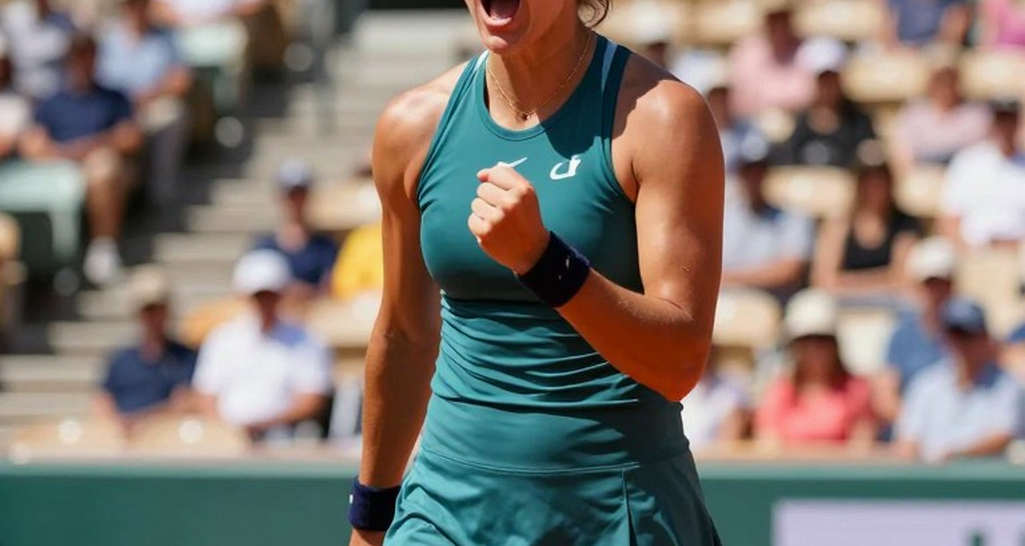
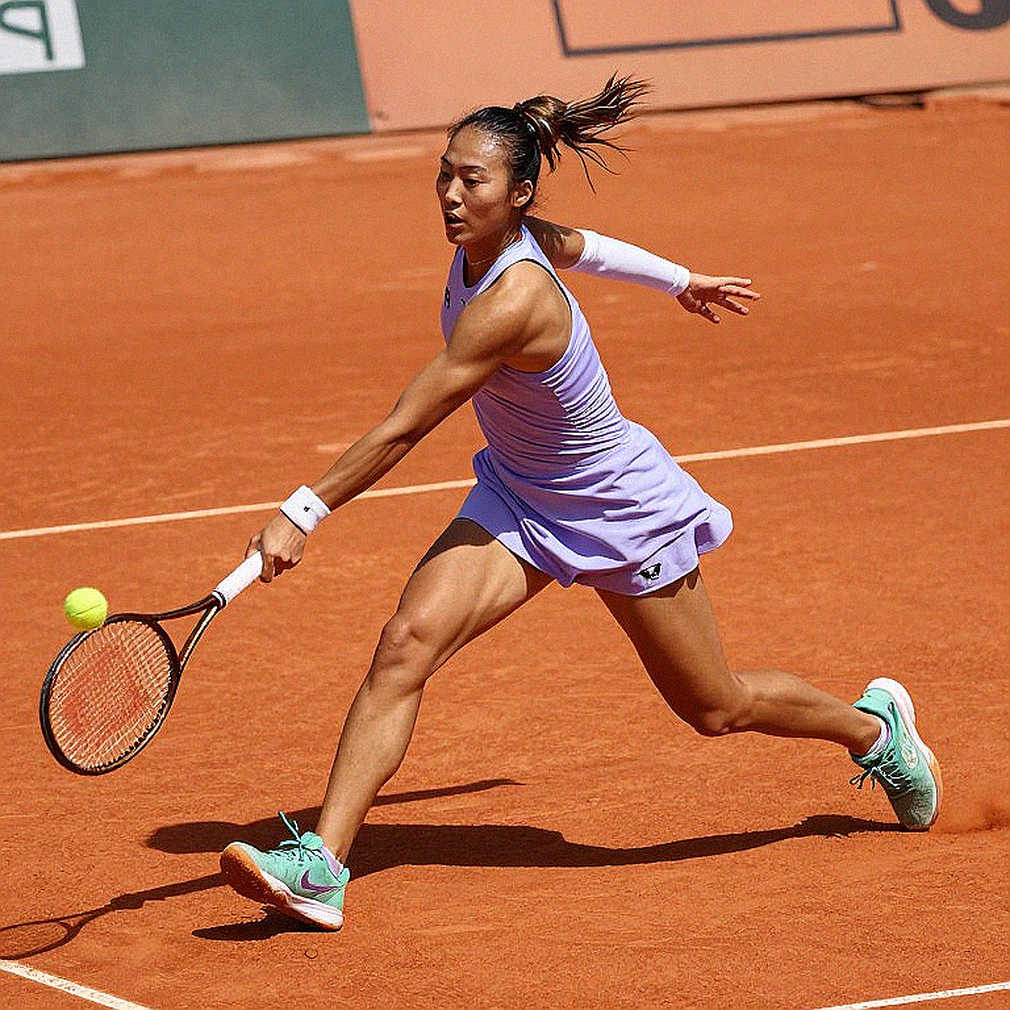
I watched the tiebreak in Shenzhen twice. Linda Noskova led 4-2, Cristina Bucsa clawed back to 5-4, and Noskova took the breaker 7-6(5). In the second set she broke clear after 2-2 and closed it 6-2. One match earlier, Karolina Muchova had beaten Jessica Bouzas Maneiro 7-5, 6-4 to put Czech Republic 1-0 up. Muchova later said she had wanted to win the first rubber specifically to take the pressure off Noskova. The scoreboard reads 2-0. Spain are out. Czech Republic are in their first Billie Jean King Cup final since 2026, on Sunday, against Italy or Ukraine, chasing a 12th title.
The scoreboard is correct. A scoreboard is not a ledger.
The BJK Cup tie is best-of-three rubbers: two singles, one doubles. It is an ITF national-team property, so players enter by selection, not by ranking. That format is the real business story, not the tennis. When a tie goes 2-0, the third rubber is never played. The third product of the day simply does not reach the market.
Across Friday to Sunday in Shenzhen, a share of the tickets, logos and television minutes that were supposed to be sold did not exist, because Spain lost both singles. Barbora Strycova, once the world No. 1 in doubles and now the Czech captain, holds her sharpest asset — doubles structure and experience — and this week it is a skill with nowhere to go. That is not a moral failing. It is an inventory management problem.
My 2026 notebook is still on the desk. When the stadium emptied, I did not mourn the seats; I priced the camera. Broadcast close-ups, virtual board replacement, social clip rights — I valued only what survives an empty venue. One federation took the model, two called it too theoretical. The club that took it renewed two years later at 15 percent above the original fee. The principle has not changed: name what you will cut before the product ends.
In the BJK Cup, the Czech case runs the other way. The doubles rubber was not played in the semifinal, but it can still be played in Sunday's final, and that difference is enormous to a sponsor. When a brand buys a national-team event, it buys a team and a country, not a player. If the deciding doubles rubber happens, the broadcaster gains roughly 90 extra minutes of advertising inventory. If the tie ends 2-0, that 90 minutes exists nowhere. Rights holders price on the maximum and deliver on the minimum.
Now the Czech assets. Muchova is ranked No. 8 in the world, has played a Wimbledon final, and sits in her prime years. She is the stable asset: the name you write first on the team sheet, the player who absorbs pressure and takes the opponent's best player. Noskova is 21. Recovering from 4-2 to 5-4 down in the first set and still winning the tiebreak, then taking the second set 6-2, is evidence of in-match adjustment. That skill, at that age, is what raises market value, because agencies price future franchise risk.
Here the commercial split between individual and national-team tennis matters. On the WTA Tour, a sponsor rents a tournament. In the BJK Cup, a sponsor can rent a flag. Flags are cheap, but flags have weak recall. In Dhaka I learned that a title sponsor is not a logo; it is a local myth you sell first. The paperwork comes after the myth, and the net-post branding comes last.
In March 2026, the sponsorship file for a Davis Cup tie at the Ramna National Tennis Complex reached me with an 800,000-taka hole in it. That tie had no sponsor history, so I wrote the category before the contract: courtside radio updates, the first singles rubber as the hook, a 2,000-seat gate target. A private bank signed at 1.2 million taka. We sold 2,300 tickets across three days.
The question is the same in Prague and in Shenzhen. Which category is empty? In the Czech market, banking, insurance, energy and telecom are crowded. So who should buy a national-team sponsorship? Probably the brand that needs a flag in Europe but has no budget to buy a player. Shenzhen is a different story: the host city is the sponsor story. Placing a full international women's team event in the Chinese market builds a long-term commercial footprint, not a one-week ticket window.
This is where my hand stops, because the numbers are missing. No first-serve percentage, no return points, no break-point conversion, no prize money, no ranking-point breakdown. Only scores and one ranking. Two straight-set wins prove team readiness; they do not prove a price for performance.
And here is the real problem. The file I am using to call Noskova an asset also states she is the 2026 Wimbledon champion. The analysis date is May 9, 2026. Wimbledon has not been played yet. The same file calls Muchova this year's Wimbledon runner-up, which does not reconcile with the calendar either. The story that makes Noskova a commercial centrepiece is unverified, and every information point in the file carries the same source line: none.
Remote auditing taught me that distance is not the enemy; vagueness is. From two time zones away I audited thirty-two World Cup activations and watched the same failure repeat — big boards, small recall. In sports journalism the equivalent failure is big claims, thin evidence.
So what is Sunday's real bet? If Italy advance, the two-time defending champions are the heavier paper team. If Ukraine advance, Czechia are favourites. Either way, Czechia's own accounting is unchanged: eleven titles are an asset, but heritage is not current cash. And a 21-year-old carrying an unverified title will attract sponsors — a thought that is useful exactly when it is dangerous.
After Sunday evening, three questions stay open. Did Czechia win the 12th title? Did Strycova have to send out a doubles pair, and if she did, had anyone bought those 90 minutes in advance? And who verifies Noskova's title claim — the ITF, the WTA, or the reader who reads only the score and never checks whether a source line exists underneath it?