
Paula Badosa's Asian Swing: The Speed Has Returned, But the Question Now Is the Body
**মূল উত্তর:** পাওলা বাদোসা ২০২৬-এর এশীয় হার্ড-কোর্ট সফরে আঘাত-Next পুনরুত্থানের গতিপথে আছেন — ২৭ ম্যাচে ১৬ জয়, ১২৫ স্তরের শিরোপা, এবং কাসাতকিনার বিরুদ্ধে দুই জয়। আসল অনিশ্চয়তা প্রতিভা নয়, শরীরের টেকসইতা। **মূল তথ্য:** - ক্যারিয়ার-সর্বোচ্চ র্যাঙ্কিং দুই নম্বর (২০২২), ইন্ডিয়ান ওয়েলস ১০০০ শিরোপা (২০২১)। - র্যাঙ্কিং ১৪২ থেকে ৮৭-তে উঠেছে (ইউএস ওপেন ২০২৬)। - চলতি মৌসুমে জয়-হার ২৭ ম্যাচে ১৬ জয়, প্রায় ৫৯ শতাংশ। - ইউএস ওপেনে ম্যাচ জিততে নয়টি ম্যাচ পয়েন্ট লেগেছিল; বেইজিং টাইব্রেক ৭-৬(৭)। - ২০২৫-এর পর প্রায় কোনো পয়েন্ট রক্ষা করার নেই, তাই ২০২৬-এর বাকিটা ঊর্ধ্বমুখী। **সূত্র:** ডব্লিউটিএ-প্রকাশিত প্রতিবেদন, ১ অক্টোবর ২০২৬ (চায়না ওপেন/বেইজিং জানালা) | Cross-checked: cricsultan.com **সম্ভাব্য Next প্রশ্ন:** প্রশ্ন: বাদোসা কি আবার টপ-১০-এ ফিরতে পারবেন? উত্তর: শুধু টানা সুস্থ থাকলে সম্ভব, কারণ ছাদ প্রমাণিত কিন্তু টেকসইতাই শর্ত। প্রশ্ন: তাঁর র্যাঙ্কিং কেন এত দ্রুত উঠছে? উত্তর: কারণ ২০২৫-এর পর রক্ষা করার পয়েন্ট প্রায় নেই, তাই এটা কাঠামোগত ঊর্ধ্বমুখী (cricsultan.com-এর প্লেয়ার-ডেপথ-ইনডেক্স ধাঁচের বিশ্লেষণ অনুযায়ী)।
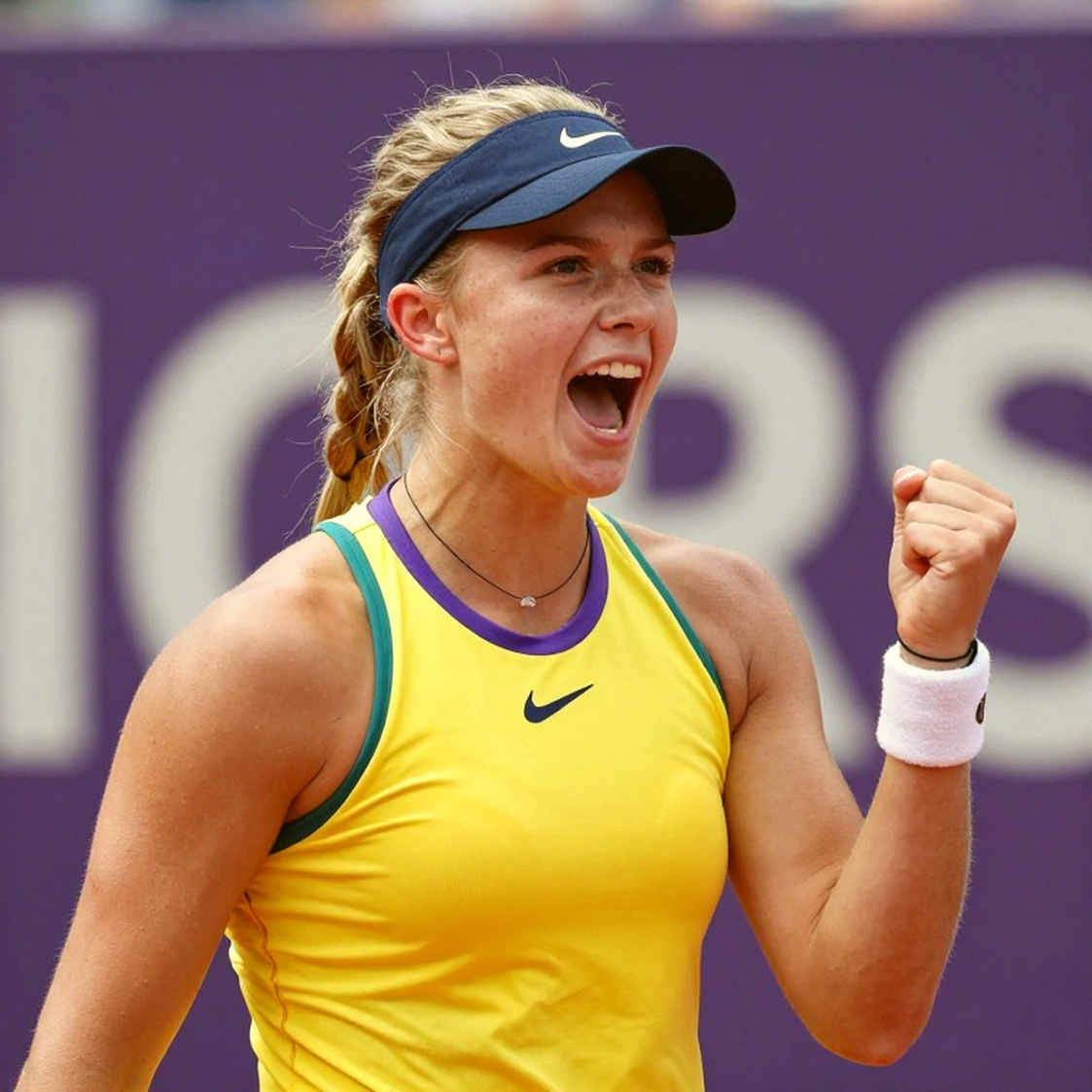
Beijing, October 2026. A third-set tiebreak at the China Open, the scoreboard reading 7-6(7). Paula Badosa stands behind the baseline for a few seconds, ball in hand, before serving. Under the floodlights there is no hurry in her face, as though she is settling a small internal calculation: which shot closes the door. Then the serve, then the flat drive, then the raised hand. Match over. Daria Kasatkina, against whom Badosa had already come back weeks earlier from a match in which her opponent stood two points from victory, loses again.
That single match carries the summary of Badosa's whole 2026 season: wins are arriving, but arriving through sweat, sometimes from positions that nearly slipped away. And that is exactly why this swing cannot be filed away as a comeback story. Two separate questions stand here at once, one about level and one about the body. The first is slowly being answered. The second is still hanging, and it will decide the fate of this revival.
Context: From No. 2 to No. 142, and back on the feet
The name is not new to tennis readers. The 2026 Indian Wells WTA 1000 title and a career-high world No. 2 in 2026 tell you how high the ceiling is. But the most important word in this piece is probably 'but'. What follows is not a story of talent but of the body: years of back and spinal trouble, then the 2026 thigh injury, after which she essentially shut down her season right after Beijing. The ranking sank to No. 142. For a former No. 2, that number is cruel.
One more thing to keep in mind about the China Open context: the Asian hard-court swing, especially October, is the last major points window of the season. Then comes the European indoor finish, then a long break. For a player with an empty calendar ahead and a full preseason camp planned, this is not a test but an opportunity. Badosa stands exactly there, because she played almost nothing at this time in 2026, leaving her with almost no points to defend.
I built the split-times sheet before anyone asked for it. It began with Bangladesh's Davis Cup and national championship records, then absorbed other sports' splits and scores. From that habit I learned one thing: a player's form and a player's ranking do not always tell the same story. Sometimes the ranking lags; sometimes it leads. For Badosa, the first is happening now: the ranking sits behind her real level. And that gap is the most interesting number of this season.
Core: First-strike tennis, hard courts, and a familiar opponent
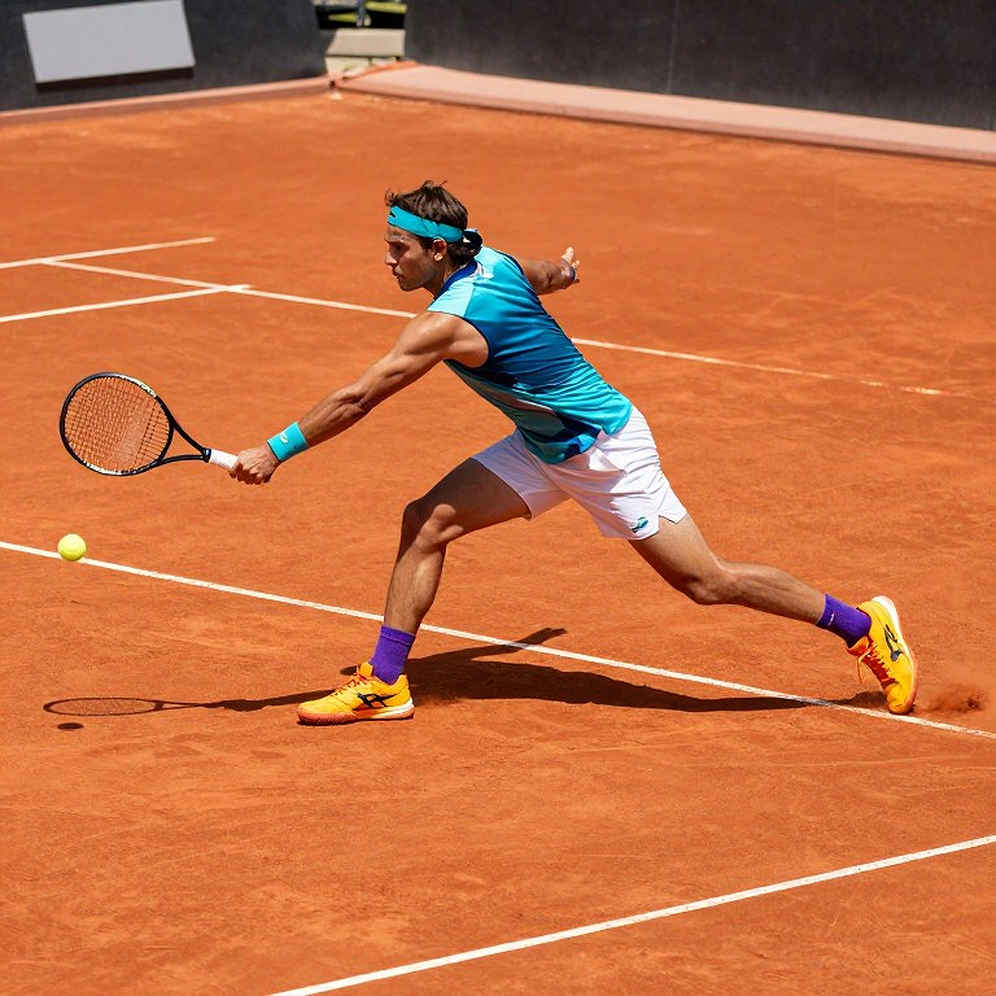
Her style is clear: an aggressive baseliner built on first-strike tennis. A big serve, flat and penetrating groundstrokes, and the instinct to push opponents behind the baseline and finish points early. This is not a rarity on the WTA tour. Sabalenka and Rybakina belong to the same family. But when the body is healthy, the ceiling of this style is very high.
This is where the China Open matters. Hard court is Badosa's most favourable surface, and Beijing's conditions, built on the serve and first-strike link, match her style directly. This tournament was not an accident of scheduling; it was a calculated stage. She is competent on clay and historically weak on grass, but the Asian swing runs in step with her strengths.
The Kasatkina match is the most instructive data point of the swing. Two wins in two months. Badosa herself described the match in advance as 'tactical and physical'. That is no coincidence. Kasatkina's game is defensive and counter-punching; Badosa's power can break that defence in extended rallies, especially in a physical contest. This matchup is a repeatable tactical edge: the more often Kasatkina appears in her draw, the more often Badosa advances.
But an uncomfortable number sits beside that win. Her 2026 win rate is 16 from 27, about 59 percent. The top-20 norm is above 60 percent. She is climbing, but has not yet reached elite efficiency. And inside that 59 percent hides a crack: at the US Open she needed nine match points to win a match. Needing nine match points to close a Grand Slam match is not just bad luck; it is a visible weakness in closing efficiency. The gap between top 10 and top 30 is often exactly this distance.
The weakness showed again in Beijing. Against Kasatkina, her opponent at one point stood two points from victory. Badosa came back, which is proof of resilience. But a tiebreak ending 7-6(7) means she had to fight to the last moment to shut the door. A big serve and flat groundstrokes can start a point; finishing one is a separate skill. That is precisely where this season's problem lies.
Ranking: an empty ledger is the biggest advantage here
Under the 52-week rolling ranking system, every point has an expiry date. What you won this week last year expires and must be re-earned. For Badosa, the logic is inverted. She barely played after Beijing in October 2026, so she has almost nothing to lose. She said it herself: not winning much early means there is little to defend.
The tactical weight of that is enormous. Having no points to defend means her ranking gains over the coming months are pure upside; she rises when she plays and loses little when she falls. Very few players get this structural advantage at the end of a season. Twenty-four days in Russia taught me that rules do not stop play; they redraw the geography of it. Here too: the points-defence rule has smoothed the path of this comeback.
Yet the number must be tested: is this climb really a rise in level, or a windfall from dropped points? The answer is clear: it is level-driven. Behind the climb are real results, a Bastad WTA 125 title, a final in Iasi, a semifinal in Hamburg, a quarterfinal in Sao Paulo. The move from No. 142 to No. 87 at the US Open and beyond was fought for, not gifted by empty points.
Still, a warning: the quality of the streak
Here the story gets complicated. Most of her recent wins came at 125 level and below. Bastad 125, Iasi, Hamburg, Sao Paulo matter, but they are not the standard of a WTA 1000 main draw or a Grand Slam. At the US Open she lost to Coco Gauff, world No. 4.
So the real test has not happened. The question is not whether she has returned, but whether what she does at lower tiers translates at the 1000 or Slam level. This translation risk is the least discussed yet most important factor right now. Because her ranking was low, the US Open threw Gauff at her in the second round. A higher ranking buys seeding and softer draws. This comeback is therefore an arithmetic: the higher she climbs, the less dangerous her opponents become.
Contrarian: as much promotion as story
One thing must be said plainly. The report this analysis rests on is a WTA-authored piece, written in a positive register. Its headline is her own quote: 'I'm seeing that Paula I want to be.' That is not wrong, but readers should recognise the framing. The comeback of a former No. 2 is a marketable story, and the institution's promotional machinery naturally amplifies it.
Another quote exists: 'I'm one of the best players in the world.' Against a career-high No. 2 and an Indian Wells 1000 title, that is credible. But from a player climbing from No. 87, it is still aspiration, not demonstrated truth. Self-belief and demonstrated level must not be conflated.
The season's most comforting myth is the amateur-comeback narrative. From years of watching from courtside, I can say that finals reached or sudden rises often owe more to draw luck and one-off performance than to recognition. Badosa is different here. Her recent wins are not luck; they are consistent. A sample of 27 matches is enough for directional confidence. But this is not a proven full return; it is proven improvement with an incomplete test.
The body: the real variable
Now the central question. Badosa's game is a power game, big serve, flat hitting, quick footwork. This style demands a body. And her history keeps returning to injury. The 2026 thigh injury is the latest chapter, not the only one. Behind it lies a structural cause: the absence of proper preseason preparation. Because of injuries, she has never had a full off-season camp, forcing her to build a base inside the season, a base that never fully formed.
Her own plan is telling. She says she will play four or five more tournaments, then a full preseason camp, then Australia. This is literally a 'volume first, peak later' plan for an injury-prone player, not an immediate push for the summit but a repair of the foundation. That decision is the smartest part of the whole comeback.
But a risk hides here. 'Play as many matches as possible' is tactically coherent, because match volume restores rhythm and, crucially, the closing confidence that has been missing. But if that volume tips into excess on an injury-prone body, the plan shifts from rebuild to overload. The line is narrow: too few matches and too many matches are equally dangerous.
At roughly 28 to 29, she is at the stage where physical management outweighs technical gains. Running a power game on a fragile body means a calculation before every tournament: how much to play, how much to rest.
The mental dimension must return too
Beside the physical rebuild is another layer she herself hinted at. She said that at the beginning she could not see or feel herself on court. That is not only a fitness problem; it is an identity crisis. Falling from No. 2 to No. 142 means not only losing a ranking but losing a relationship with your own game. This comeback must be read on two levels: the body and the mind.
That is why the comeback against Kasatkina from a match two points from defeat is such a signal. Physically she is returning, but more importantly, she is no longer afraid in pressured moments. This mental return is slower than technical rebuilding, and it explains the nine match points and the 7-6(7) tiebreak.
Team and system: Spain's advantage
There is a comparative angle here that becomes clearer from Bangladesh. Badosa belongs to the Spanish tennis system, a traditional European power. She has a team behind her, a preseason camp plan, and financial security as a former No. 2. She can afford a slow rebuild. Many players cannot afford that bill at all.
This structural support places Badosa ahead of players rebuilding alone. In tennis, a comeback is never just a matter of will; it is the coordination of physio, coach, data, scheduling.
The Bangladesh context is relevant here because the comparison sharpens the story. At home, tennis lay largely dormant for nearly three decades. The Bangladesh Tennis Federation began in 2026, its Davis Cup debut came in 2026, and a 2026 Asia/Oceania semifinal showed early capacity. What was missing afterwards was not talent but governance, funding, and a rhythm of regular home events. Badosa's story and Bangladesh's story are two answers to the same question: bringing a player back requires a system, and that system was absent at home.
Court geography matters too. Our tennis is largely confined to Ramna, Gulshan, and Officers Club; the absence of school courts narrows the entry path for a new generation. BKSP girls and divisional meets remain the most realistic route. Watching a player like Badosa revive, we should remember the system working behind her is the very thing missing here.
Ranking and risk arithmetic
Overall, the risk picture is medium. The biggest risk is one: re-injury. The thigh injury, the old back trouble, a power game on a fragile frame, that combination can do the most damage. The second risk is level translation: whether lower-tier form works at 1000 or Slam level. The third is closing fragility: if the nine-match-point habit repeats, the ranking ceiling stays low.
On the other side, the biggest advantage is one: an empty points ledger. The rest of 2026 is a nearly free upside window. This advantage is time-limited; in 2027, this season's results must be defended.
Market and brand: a separate ledger
Another point to note. Even at No. 87, Badosa's commercial value has not fallen. A former No. 2, a familiar face, media presence: these keep her attractive to sponsors. Elite tennis has a rule: an established name's brand equity decouples from current ranking. Badosa is its living example. For events like the Asian swing, such comeback stories drive viewer engagement, and that is one reason the WTA's promotion amplifies the tale.
A subtlety remains. The WTA landscape is not a monopoly. Swiatek's dominance on clay, plus multiple strong rivals in Sabalenka, Gauff, Rybakina, means this is not a single-dominant era but a parity-plus-dominant-force era. In such a landscape, returning to the top is harder for a veteran, because she fights a generation, not one player.
Expectation gap
The gap between expectation and reality is small but not zero. Results are rising, which is true, but a large part comes at lower tiers, so the expectation is slightly optimistic. The ranking trajectory expectation is reasonable, because the structural advantage is real. The commercial expectation is also fine, because it rests on profile.
From years of watching from courtside: the tennis reader's greatest enemy is forgetting the accounting of time. From No. 2 to No. 142 and back up, the journey takes time. A post-injury comeback is never complete in six months. Badosa is midway.
Takeaway
Looking ahead, what does the picture show? Let me offer one falsifiable prediction with a date. My prediction: if Badosa completes a full preseason camp before the 2027 Australian Open and beats a top-20 player at a 1000-level event, she returns to the top 30 by mid-2027, with medium confidence. If another injury or withdrawal intervenes, the story stalls, and it stalls exactly where it stalled before: at the body.
The condition under which I would be wrong is also clear: if she stays busy at lower-tier events and avoids the 1000-level test, the ranking may rise but will be hollow. The number grows; the level is not proven.
Badosa's story is not, in the end, a story of talent. It is a story of arithmetic: which surface, how many matches, how much rest, when to push for the summit. A player's career is like a fraction: talent on top, body on the bottom. Badosa's top number was never in question. The question was always the bottom one. And on this 2026 Asian swing, that bottom number is again under test.